Summary
What if memory itself was the most cruel of all hauntings?
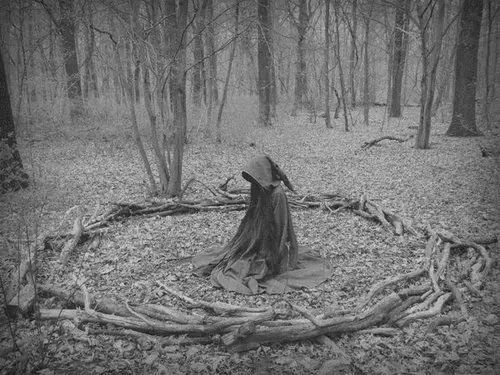
In the silence beyond time, a voice lingers—a voice not quite dead, not quite living. Ghosts of Time is an elegiac descent into the hollows of the human soul, where grief wears the skin of memory and the ache of all that was left unsaid becomes a revenant. Told through fragments of dreamlike dialogue and harrowing poetic prose, this work is neither fiction nor memoir—it is something deeper, older, and far more eternal.
The narrator confronts the spectre of his own unlived self, a mirror twisted with regret, rage, and longing. As he moves through the ruins of recollection—photographs, winter storms, collapsing epochs—he finds himself haunted not by strangers, but by the things he buried, the prayers left unanswered, and the terrible beauty of suffering remembered.
Bleak, beautiful, and devastating, Ghosts of Time is a reckoning—for the reader, for the writer, and for the world that forgot how to ache properly.