
Audio only
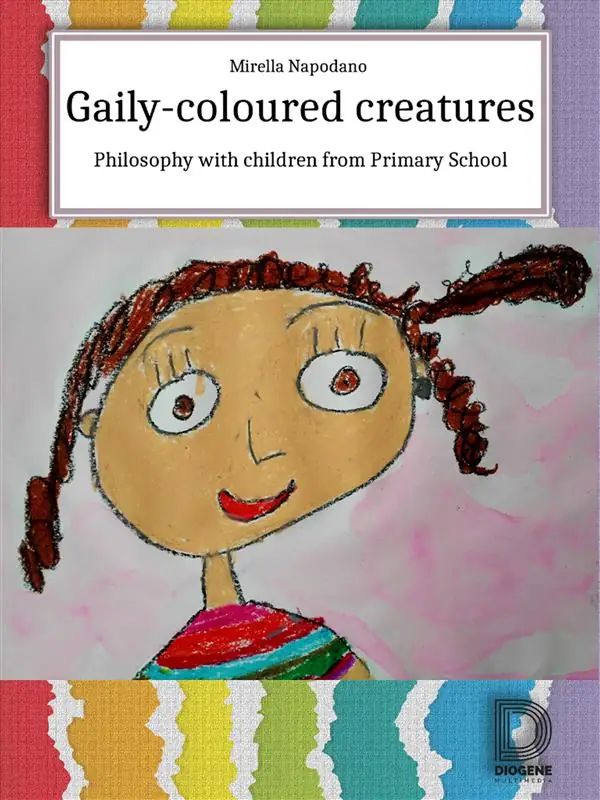
Gaily-Coloured Creatures
Philosophy with children from Primary SchoolBy Mirella Napodano

Length8h 30m
About this audiobook
The book focuses on philosophical research on children, explaining how their main interests, curiosity, discoveries, creativity, wonder, surprises are basic factors and essential requisites to build their philosophical knowledge. The book documents a large number of experimental sessions accomplished since 1996 in Italian primary schools by Mirella Napodano, who designed new methods for philosophical learning and training with children.
Her didactic method is based on peer education through cooperative dialogue and it is made of three modules:
A) The speculative way: Alice in wonderland;
B) The way of identity: Alice through the mirror;
C) The way of friendship: I care.
The book contains a selection of literary pieces, fairy tales, stories, classic myths, Jewish midrash. They are recommended for their philosophical significance, but teachers are free to choose topics and contents of their sessions according to their preferences and pupils interests.
Audiobook details
GenrePhilosophy
Length8 hrs 30 mins
Narrated byListen with 1,000+ voices
FormateBook with Audio
Publish dateFeb 24, 2016
LanguageEnglish
Table of contents
1About...
2Dedication
3Presentation
4Introduction: A world of Gaily-coloured Creatures
5Chapter 1: Between wonder and knowledge
Show all chaptersShow less
61.1 Philosophy comes from marvel
71.2 The uncontainable force of unexpected
81.3 Just a moment, let me think
91.4 The creative imagination
101.5 The learning group as a research community
111.6 The research community as metacognitive laboratory
12Chapter 2: Narration and interpretation
132.1 Lupus in fabula: a possible model for interpretative cooperation
142.2 The myth as archetypal narrative product
152.3 The theatrical practice as the space of possible
162.4 Aims and techniques of creative dramatization
17Chapter 3: What if thought rides fantasy
183.1 Fabulation and metaphor
193.2 An enchanted world
203.3 Magic tales have philosophical relevance
213.4 Interactive itineraries in stories framing
223.5 Fantasy as in-lusio: having the right to an intelligent game
23Chapter 4: Thinking the thought
244.1 Learning to think
254.2 Communico, ergo sum
264.3 Cogitamus, ergo sumus
274.4 Cognitive cooperation from the distance
28Chapter 5: The laboratorial proposal
295.1 The theoretic architecture
305.2 Formative aims
315.3 Strategic learning
325.4 A school between laboratory and “garden of thoughts”
335.5 A pretty uncommon alliance
34Chapter 6: Operative itineraries
356.1 A curriculum in three Units
366.2 Module A - The speculative routes: In wonder land
376.3 Module B – Identity routes: Throughout the mirror: 6.3.a School Holding environment and routes of identity
386.4 Module C – Friendship routes: I care
396.5 The learning Unit
40Chapter 7: Setting recommendations
417.1 The laboratory: a metacognitive space
427.2 Learning by doing
437.3 Laboratorial didactics actuation modalities
44Chapter 8: Documenting for interpretation
458.1 Documentation between event, memory and narration
468.2 Documenting for interpretation
478.3 Documenting for self-evaluation: the portfolio narratives: 8.3.a Individual skills Portfolio
488.4 Evaluation and checks
49Chapter 9: An itinerary for teachers’ formation
509.1 The pedagogical equipe as research community
That Bird Has My WingsJarvis Jay Masters9h 49m4.4 (13.7K)$29 · $0.00

Tâo Teh KingLaozi2h 34m4.4 (230.9K)$2 · $0.00
SymposiumPlato3h 26m4.4 (97.9K)$1.20 · $0.00

Buddhist Boot CampTimber Hawkeye2h 39m4.4 (8.4K)$18 · $0.00
Enchiridion & The Discourses of Epictetus (Annotated)Arrian Epictetus18h 9m4.4 (3.5K)$2 · $0.00
The Meditations of the Emperor Marcus Aurelius AntoninusEmperor of Rome Marcus Aurelius5h 41m4.4 (1.8M)$1 · $0.00
Crime and PunishmentFyodor Dostoevsky23h 11m4.4 (1.3M)$12 · $0.00
MeditationsMarcus Aurelius5h 52m4.4 (433.7K)$1 · $0.00
Everyday DharmaSuneel Gupta5h 2m4.5 (761)$20 · $0.00
The Joyful Wisdom ("La Gaya Scienza")Friedrich Wilhelm Nietzsche11h 37m4.4 (26.6K)$1 · $0.00
The Art of LivingEpictetus, Sharon Lebell3h 16m4.4 (50.1K)$18 · $0.00
MeditationsEmperor Of Rome Marcus Aurelius7h 23m4.3 (477.5K)$1.20 · $0.00

The Imitation of ChristThomas à Kempis6h 27m4.3 (84.6K)$21 · $0.00

Sadhana: the realisation of lifeRabindranath Tagore3h 49m4.4 (8.6K)$6 · $0.00
SapiensYuval Noah Harari15h 18m4.3 (1.4M) · 1186$33 · $0.00
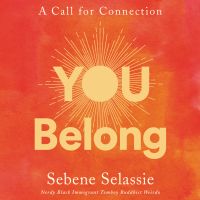
You BelongSebene Selassie8h 35m4.4 (2.7K)$26 · $0.00
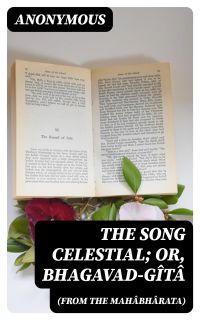
The Song Celestial; Or, Bhagavad-Gîtâ (from the Mahâbhârata)Anonymous2h 18m4.4 (3.2K)$2 · $0.00
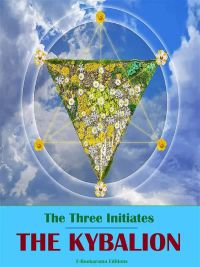
The KybalionThe Three Initiates3h 47m4.3 (58.7K)$20 · $0.00

Chuang Tzu: Mystic, Moralist, and Social ReformerZhuangzi14h 42m4.4 (1.2K)$1 · $0.00
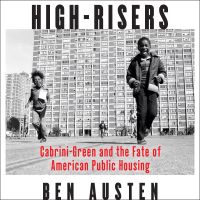
High-RisersBen Austen13h 33m4.4 (2.8K)$33 · $0.00
You may also like
The Lives and Opinions of Eminent Philosophers (Annotated)Diogenes Laertius21h 28m4.1 (801)$2 · $0.00
The Everlasting ManG. K. Chesterton10h 39m4.4 (17.1K)$20
The InklingsHumphrey Carpenter12h 39m4.2 (5K)$23
Free PlayStephen Nachmanovitch5h 58m4.3 (4.5K)$17 · $0.00
The Symbolism of FreemasonryAlbert Mackey12h 33m4.2 (751)$1 · $0.00

Glimpses of Unfamiliar Japan: First SeriesLafcadio Hearn9h 31m4.2 (510)$1 · $0.00
Eve's DiaryMark Twain40m4.0 (5.4K)$9.10 · $0.00

You Are Eating an Orange. You Are Naked.Sheung-King4h 4m3.8 (1.8K)$24 · $0.00
Living with the DevilStephen Batchelor6h 20m4.2 (1.3K)$20 · $0.00

The Lost Keys of Freemasonry: History of the Infamous Secret SocietyManly P. Hall3h 14m4.2 (3.2K)$2 · $0.00
Five Stages of Greek Religion (Annotated)Gilbert Murray8h 35m4.2 (317)$2 · $0.00
Palmistry for AllCheiro4h 20m3.9 (1.5K)Free
A Buddhist Bible (Annotated)Dwight Goddard8h 47m4.4 (1.7K)$2 · $0.00

Teresa of Avila in Dialogue with AfricaSteven Payne13h 50m$16
The Plague of Lust, Vol 1 (of 2)Julius Rosenbaum13h 16m$2.30
Anglo-Saxon Grammar and Exercise Book with Inflections, Syntax, Selections for Reading, and GlossaryC. Alphonso Smith7h 47m3.6 (32)$1 · $0.00
The Right Hand: Left-HandednessSir Daniel Wilson4h 50m$2.30

The Myths of the North American IndiansLewis Spence11h 53m3.8 (923)$2.30
An Outline of Humor Being a True Chronicle From Prehistoric Ages to the Twentieth CenturyCarolyn Wells26h 53m$2.30
Days of ObligationRichard Rodriguez8h 15m3.7 (504)$17 · $0.00