
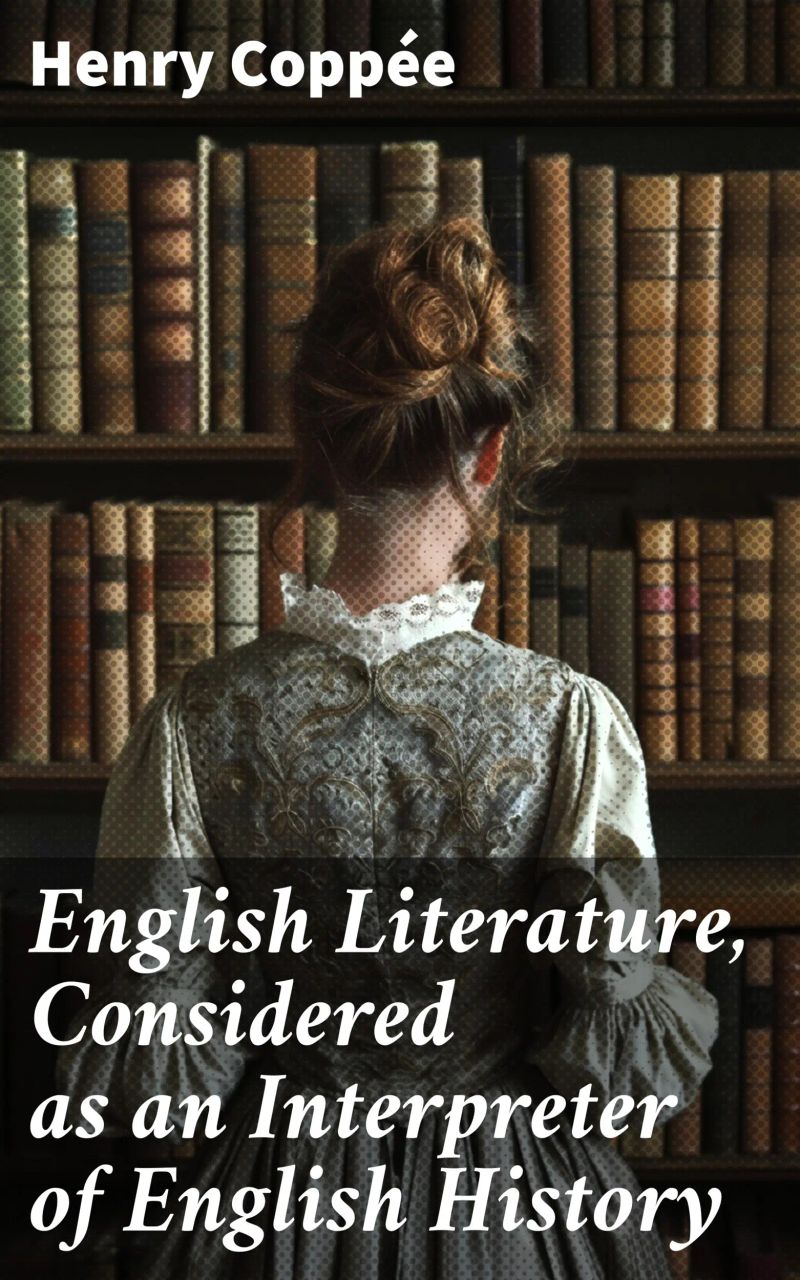
English Literature, Considered as an Interpreter of English History
Designed as a Manual of InstructionBy Henry Coppée


Length0m
About this audiobook
In "English Literature, Considered as an Interpreter of English History," Henry Copp√©e offers a compelling analysis of how literature reflects and shapes the historical landscape of England. This scholarly work intricately weaves literary critique with historical narrative, showcasing how the evolution of English literature serves as a vital lens through which one can understand the socio-political and cultural dynamics of various eras. Copp√©e's academic style is both accessible and rigorous, drawing from an extensive range of texts and historical events, providing a comprehensive exploration of literature as a vehicle of societal change and continuity. Copp√©e, a notable American scholar and educator of the 19th century, immersed himself in the study of both English literature and history, influenced by the rapid changes in society during his lifetime. His position as a professor and a literary critic, paired with his keen insights into the interconnectedness of art and life, motivated him to produce this work. Through his teachings, he sought to illuminate the significance of literature not merely as an art form but as an essential component of national identity and collective memory. I highly recommend this book to readers and scholars alike who are interested in the interdependence of literature and history. Copp√©e's meticulously researched narrative invites one to consider not just the texts of literary giants, but also their roles as interpreters of the nation's ethos. This book is essential for anyone wishing to deepen their understanding of English literature'Äôs profound ties to historical context.
Audiobook details
GenreHistory
Length0 mins
Narrated byListen with 1,000+ voices
FormateBook with Audio
Publish dateAug 12, 2023
LanguageEnglish

The Gulag Archipelago Volume 3Aleksandr I. Solzhenitsyn21h 56m$46 · $0.00
The Redeemer’s ReturnArthur W. Pink13h 18m$20

The Happiest Man on EarthEddie Jaku3h 48m$7 · $0.00
MotherlandJulia Ioffe17h 52m$40 · $0.00

Where Cowards Go to DieBenjamin Sledge8h 42m$20 · $0.00
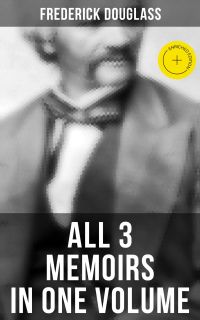
Frederick Douglass: All 3 Memoirs in One VolumeFrederick Douglass44h 9m$2 · $0.00
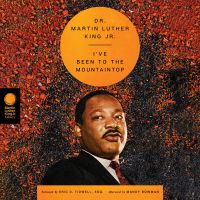
I've Been to the MountaintopMartin Luther King48m5 (1)$11 · $0.00

RevolutionariesSanjeev Sanyal11h 23m$29 · $0.00

We Crossed a Bridge and It TrembledWendy Pearlman6h$24 · $0.00

Unbroken Bonds of BattleJohnny Joey Jones8h 31m$8 · $0.00
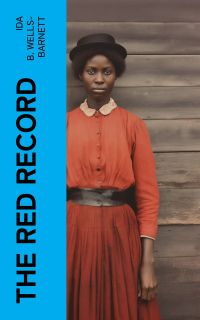
The Red RecordIda B. Wells-Barnett2h 9m$2 · $0.00

The Daughter of AuschwitzTova Friedman, Malcolm Brabant7h 54m$26 · $0.00
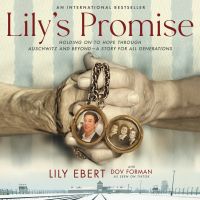
Lily's PromiseLily Ebert, Dov Forman8h 54m$29 · $0.00

Saving My EnemyBob Welch9h 11m$20
On Democracies and Death CultsDouglas Murray10h 38m$29 · $0.00

Across the RiverKent Babb11h 40m$29 · $0.00

Balcony Over Jerusalem: A Middle East Memoir - Israel, Palestine and BeyondJohn Lyons12h 37m$33 · $0.00
The Fire Next TimeJames Baldwin2h 25m$15

EnduranceAlfred Lansing6h 1m$20
LES MISERABLES (Illustrated Edition)Victor Hugo66h 17m$1 · $0.00