
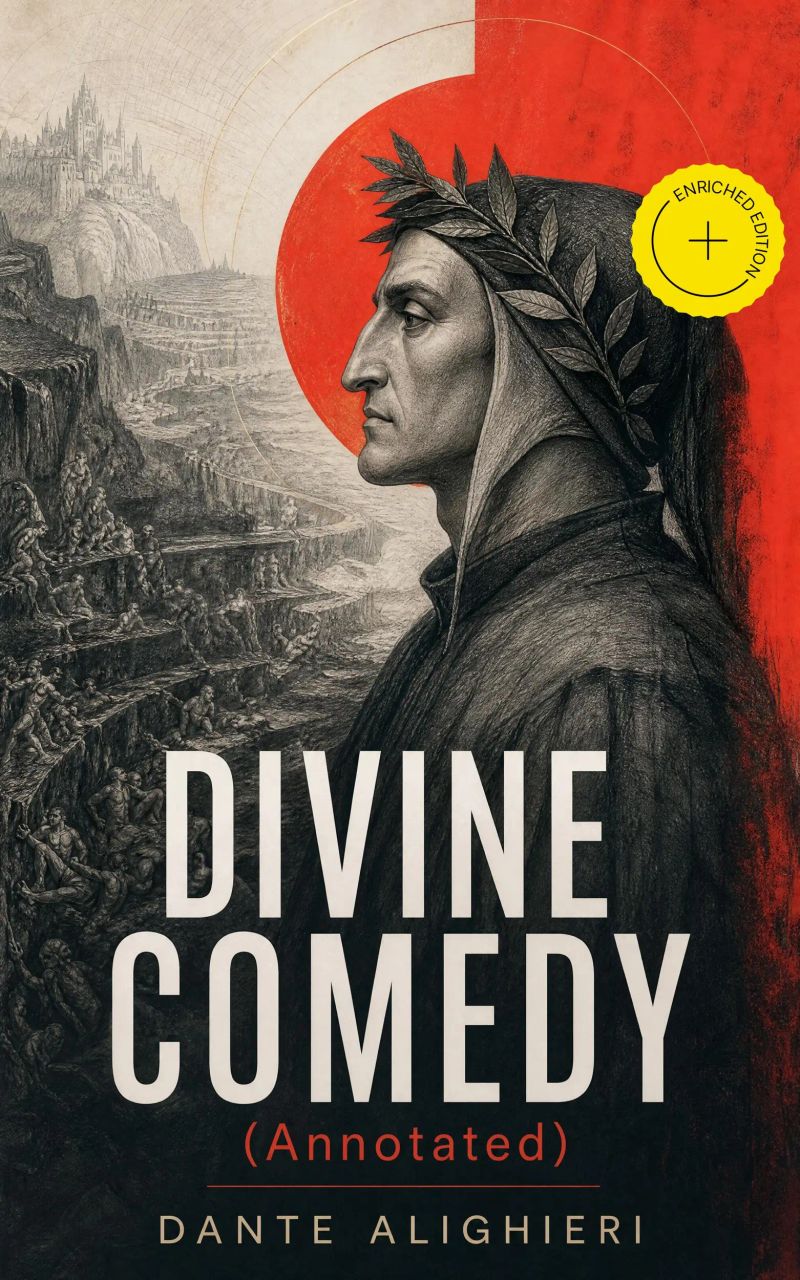
DIVINE COMEDY (Annotated)
Enriched Edition. Illustrated EditionBy Dante Alighieri


Length15h 9m
About this audiobook
Dante Alighieri's Divine Comedy is a monumental narrative poem charting the pilgrim's journey through Inferno, Purgatorio, and Paradiso toward the vision of God. Written in terza rima and in the Tuscan vernacular, it unites medieval theology, classical inheritance, political allegory, and intensely personal confession. Its encyclopedic design places Virgil, Beatrice, saints, sinners, philosophers, and contemporaries within a moral universe governed by divine justice and love. Dante (1265–1321), Florentine poet, statesman, and exile, wrote from the wounds of political defeat and spiritual crisis. His banishment from Florence sharpened his judgment of civic corruption and factional violence, while his learning in philosophy, theology, and Latin poetry gave the poem its vast intellectual architecture. Beatrice, both historical beloved and theological symbol, becomes central to his vision of grace and illumination. This book is essential for readers seeking one of world literature's supreme meditations on sin, redemption, and human destiny. It rewards patient attention with unforgettable images, rigorous moral thought, and profound poetic beauty. For students, scholars, and serious general readers alike, the Comedy remains an inexhaustible guide to the medieval imagination and the enduring drama of the soul.
This enriched edition has been carefully crafted to add value to your reading experience.
- A succinct Introduction situates the work's timeless appeal and themes.
- The Synopsis outlines the central plot, highlighting key developments without spoiling critical twists.
- A detailed Historical Context immerses you in the era's events and influences that shaped the writing.
- An Author Biography reveals milestones in the author's life, illuminating the personal insights behind the text.
- A thorough Analysis dissects symbols, motifs, and character arcs to unearth underlying meanings.
- Reflection questions prompt you to engage personally with the work's messages, connecting them to modern life.
- Hand‐picked Memorable Quotes shine a spotlight on moments of literary brilliance.
- Interactive footnotes clarify unusual references, historical allusions, and archaic phrases for an effortless, more informed read.
Audiobook details
Rating★★★★ 4.2 (179.7K)
Includes Goodreads, Amazon, LibraryThing
GenrePoetry
Length15 hrs 9 mins
Narrated byListen with 1,000+ voices
FormateBook with Audio
Publish dateOct 26, 2018
LanguageEnglish
Table of contents
1Introduction
2Introduction
3Synopsis
4Historical Context
5Author Biography
Show all chaptersShow less
6Inferno
7Canto I. The Dark Forest. The Hill of Difficulty. The Panther, the Lion, and the Wolf. Virgil.
8Canto II. The Descent. Dante's Protest and Virgil's Appeal. The Intercession of the Three Ladies Benedight.
9Canto III. The Gate of Hell. The Inefficient or Indifferent. Pope Celestine V. The Shores of Acheron.
10Canto IV. The First Circle, Limbo: Virtuous Pagans and the Unbaptized. The Four Poets, Homer, Horace, Ovid, and Lucan. The Noble Castle of Philosophy.
11Canto V. The Second Circle: The Wanton. Minos. The Infernal Hurricane. Francesca da Rimini.
12Canto VI. The Third Circle: The Gluttonous. Cerberus. The Eternal Rain. Ciacco. Florence.
13Canto VII. The Fourth Circle: The Avaricious and the Prodigal. Plutus. Fortune and her Wheel. The Fifth Circle: The Irascible and the Sullen. Styx.
14Canto VIII. Phlegyas. Philippo Argenti. The Gate of the City of Dis.
15Canto IX. The Furies and Medusa. The Angel. The City of Dis. The Sixth Circle: Heresiarchs.
16Canto X. Farinata and Cavalcante de' Cavalcanti. Discourse on the Knowledge of the Damned.
17Canto XI. The Broken Rocks. Pope Anastasius. General Description of the Inferno and its Divisions.
18Canto XII. The Minotaur. The Seventh Circle: The Violent. The River Phlegethon. The Violent against their Neighbours. The Centaurs. Tyrants.
19Canto XIII. The Wood of Thorns. The Harpies. The Violent against themselves. Suicides. Pier della Vigna. Lano and Jacopo da Sant' Andrea.
20Canto XIV. The Sand Waste and the Rain of Fire. The Violent against God. Capaneus. The Statue of Time, and the Four Infernal Rivers.
21Canto XV. The Violent against Nature. Brunetto Latini.
22Canto XVI. Guidoguerra, Aldobrandi, and Rusticucci. Cataract of the River of Blood.
23Canto XVII. Geryon. The Violent against Art. Usurers. Descent into the Abyss of Malebolge.
24Canto XVIII. The Eighth Circle, Malebolge: The Fraudulent and the Malicious. The First Bolgia: Seducers
25Canto XIX. The Third Bolgia: Simoniacs. Pope Nicholas III. Dante's Reproof of corrupt Prelates.
26Canto XX. The Fourth Bolgia: Soothsayers. Amphiaraus, Tiresias, Aruns, Manto, Eryphylus, Michael Scott, Guido Bonatti, and Asdente. Virgil reproaches Dante's Pity. Mantua's Foundation.
27Canto XXI. The Fifth Bolgia: Peculators. The Elder of Santa Zita. Malacoda and other Devils.
28Canto XXII. Ciampolo, Friar Gomita, and Michael Zanche. The Malabranche quarrel.
29Canto XXIII. Escape from the Malabranche. The Sixth Bolgia: Hypocrites. Catalano and Loderingo. Caiaphas.
30Canto XXIV. The Seventh Bolgia: Thieves. Vanni Fucci. Serpents.
31Canto XXV. Vanni Fucci's Punishment. Agnello Brunelleschi, Buoso degli Abati, Puccio Sciancato, Cianfa de' Donati, and Guercio Cavalcanti.
32Canto XXVI. The Eighth Bolgia: Evil Counsellors. Ulysses and Diomed. Ulysses' Last Voyage.
33Canto XXVII. Guido da Montefeltro. His deception by Pope Boniface VIII.
34Canto XXVIII. The Ninth Bolgia: Schismatics. Mahomet and Ali. Pier da Medicina, Curio, Mosca, and Bertrand de Born.
35Canto XXIX. Geri del Bello. The Tenth Bolgia: Alchemists. Griffolino d' Arezzo and Capocchino.
36Canto XXX. Other Falsifiers or Forgers. Gianni Schicchi, Myrrha, Adam of Brescia, Potiphar's Wife, and Sinon of Troy.
37Canto XXXI. The Giants, Nimrod, Ephialtes, and Antaeus. Descent to Cocytus.
38Canto XXXII. The Ninth Circle: Traitors. The Frozen Lake of Cocytus. First Division, Caina: Traitors to their Kindred. Camicion de' Pazzi. Second Division, Antenora: Traitors to their Country. Dante questions Bocca degli Abati. Buoso da Duera.
39Canto XXXIII. Count Ugolino and the Archbishop Ruggieri. The Death of Count Ugolino's Sons. Third Division of the Ninth Circle, Ptolomaea: Traitors to their Friends. Friar Alberigo, Branco d' Oria.
40Canto XXXIV. Fourth Division of the Ninth Circle, the Judecca: Traitors to their Lords and Benefactors. Lucifer, Judas Iscariot, Brutus, and Cassius. The Chasm of Lethe. The Ascent.
41Purgatorio
42I. The Shores of Purgatory. The Four Stars. Cato of Utica. The Rush.
43II. The Celestial Pilot. Casella. The Departure.
44III. Discourse on the Limits of Reason. The Foot of the Mountain. Those who died in Contumacy of Holy Church. Manfredi.
45IV. Farther Ascent. Nature of the Mountain. The Negligent, who postponed Repentance till the last Hour. Belacqua.
46V. Those who died by Violence, but repentant. Buonconte di Monfeltro. La Pia.
47VI. Dante's Inquiry on Prayers for the Dead. Sordello. Italy.
48VII. The Valley of Flowers. Negligent Princes.
49VIII. The Guardian Angels and the Serpent. Nino di Gallura. The Three Stars. Currado Malaspina.
50IX. Dante's Dream of the Eagle. The Gate of Purgatory and the Angel. Seven P's. The Keys.
The Divine Comedy (Complete Annotated Edition)Dante Alighieri22h 37m4.4 (20.5K)$1.99 · $0.00
The Divine Comedy (Illustrated Edition)Dante Alighieri22h 39m4.2 (181.7K)$1.99 · $0.00
The Greatest Religious Novels of All TimeDante Alighieri, James Joyce, Mark Twain, Anton Chekhov, John Milton, Leo Tolstoy, John Bunyan, Voltaire, Henryk Sienkiewicz, Charles M. Sheldon, Henry Van Dyke, G. K. Chesterton, Grace Livingston Hill, Fyodor Dostoevsky, Johann Wolfgang von Goethe, Friedrich Nietzsche, John Henry Newman, Gustave Flaubert, Robert Hugh Benson, Arthur Christopher Benson, Paul Laurence Dunbar, Prentice Mulford, Anatole France, Marie Corelli, Leonid Andreyev, George MacDonald315h 58m$1.99 · $0.00

Literarische Reise nach Italien mit einem Hauch von ErotikDante Alighieri, Giovanni Boccaccio, Gabriele D'Annunzio, Giovanni Francesco Straparola41h 32m$1 · $0.00
La Divina CommediaDante Alighieri4h 14m4.3 (228K)$24 · $0.00

Die Göttliche Komödie - 4 deutsche Übersetzungen in einem Buch (Kommentiert)Dante Alighieri44h 26m4.4 (1.1K)$1 · $0.00

Meisterwerke der italienischen Literatur - Klassiker, die man kennen muss (Kommentiert)Dante Alighieri, Luigi Pirandello, Giacomo Leopardi, Niccolo Machiavelli, Giovanni Boccaccio, Bonaventura, Giacomo Casanova, Ludovico Ariosto, Giosuè Carducci, Gabriele D'Annunzio, Matteo Bandello272h 1m4.3 (11)$2 · $0.00
The Battle of Darkness and Light (Annotated)Dante Alighieri, James Joyce, Mark Twain, Anton Chekhov, John Milton, Leo Tolstoy, John Bunyan, Voltaire, Henryk Sienkiewicz, Charles M. Sheldon, Henry Van Dyke, G. K. Chesterton, Grace Livingston Hill, Fyodor Dostoevsky, Johann Wolfgang von Goethe, Friedrich Nietzsche, John Henry Newman, Gustave Flaubert, Robert Hugh Benson, Arthur Christopher Benson, Paul Laurence Dunbar, Prentice Mulford, Anatole France, Marie Corelli, Leonid Andreyev, George MacDonald313h 48m$2 · $0.00
La divina Comedia (Anotado)Dante Alighieri14h 10m$0.99 · $0.00

Literarische Reise nach Italien mit einem Hauch von Erotik (Kommentiert)Dante Alighieri, Giovanni Boccaccio, Gabriele D'Annunzio, Giovanni Francesco Straparola41h 37m$1 · $0.00
La Divina ComediaDante Alighieri13h 56m4.3 (223.5K)$1 · $0.00
Divina comediaDante Alighieri2h 5m4.3 (217K)$7 · $0.00
Divine ComedyDante Alighieri14h 31m4.3 (219.5K)$1 · $0.00

Die göttliche Komödie (Mit Illustrationen)Dante Alighieri14h 23m4.3 (161.6K)$2 · $0.00
The Banquet (Il Convito)Dante Alighieri10h 3m3.9 (549)$1 · $0.00

Über die MonarchieDante Alighieri50m3.9 (890)$2 · $0.00
La Divina Commedia di DanteDante Alighieri13h 11m4.3 (211.3K)$1 · $0.00
La Divina Commedia di DanteDante Alighieri12h 59m4.3 (218.5K)$1 · $0.00
La Divina Commedia di Dante: PurgatorioDante Alighieri5h 14m4.3 (36.8K)$1 · $0.00

Maybe You Never Cry AgainBernie Mac4h 25m4.6 (3K)$20 · $0.00
Inquire WithinIn-Q2h 18m4.6 (993)$16 · $0.00
The Complete Poetry (The Classic Illustrated Edition)Samuel Taylor Coleridge26h 23m4.6 (1.3K)$0.99 · $0.00

The Weary Blues (Annotated)Langston Hughes2h 13m4.5 (4.6K)$2 · $0.00
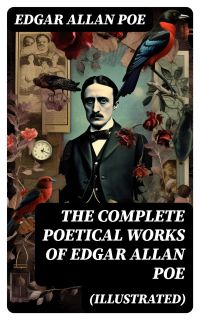
The Complete Poetical Works of Edgar Allan Poe (Illustrated)Edgar Allan Poe18h 27m4.5 (4.2K)$2 · $0.00

The Complete Poetry (Annotated)Oscar Wilde6h 44m4.5 (15.5K)$2 · $0.00

Saundarya LahariUnknown Author3h 16m4.6 (256)$18 · $0.00

The Mesnevi (Annotated)Maulana Jalal al-Din Rumi18h 41m4.5 (4.2K)$2 · $0.00

Songs of a SourdoughRobert W. Service2h 13m4.5 (13.6K)$1 · $0.00
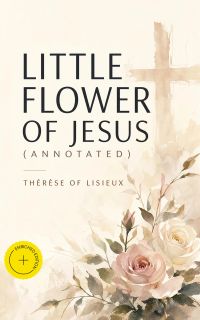
Little Flower of Jesus (Annotated)Thérèse of Lisieux5h 4m4.5 (1.4K)$0.99 · $0.00
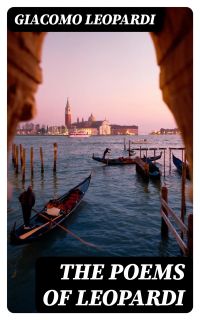
The Poems of LeopardiGiacomo Leopardi3h 9m4.5 (3.6K)$2 · $0.00

Nikki Giovanni: Love Poems & A Good CryNikki Giovanni2h 44m4.6 (405)$18 · $0.00

The Complete Poetry of Walt Whitman (Annotated)Walt Whitman19h 58m4.5 (4.2K)$0.99 · $0.00
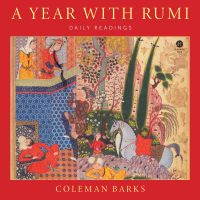
A Year with RumiColeman Barks5h 56m4.5 (2.6K)$24 · $0.00
Complete Poetry of Rudyard Kipling (Annotated)Rudyard Kipling22h 50m4.5 (2.6K)$1.99 · $0.00
The Complete PoemsPaul Laurence Dunbar12h 40m4.5 (1.5K)$21 · $0.00
The Odes of John Keats - Complete CollectionJohn Keats22h 16m4.5 (1.3K)$1 · $0.00
SonnetsWilliam Shakespeare2h 39m4.4 (128.3K)$3 · $0.00
PoemsEdna St. Vincent Millay2h 39m4.5 (1.3K)$2 · $0.00
PoemsW. B. Yeats5h 6m4.4 (46.9K)$1 · $0.00
You may also like
The Divine Comedy (Complete Annotated Edition)Dante Alighieri22h 37m4.4 (20.5K)$1.99 · $0.00
The Divine ComedyDante Alighieri15h 10m4.3 (226K)$2 · $0.00
Divine Comedy (Illustrated Edition)Dante Alighieri15h 21m4.3 (223.3K)$1.99 · $0.00
The Divine ComedyDante Alighieri11h 11m4.3 (209.3K) · 1673Free
The Divine ComedyDante Alighieri16h 36m4.2 (210.1K)$3 · $0.00
The Divine ComedyDante Alighieri17h 24m4.3 (225.8K)$1.99 · $0.00
Divine Comedy - CompleteDante Alighieri11h 33m4.2 (219.6K)Free
The Divine ComedyDante Alighieri13h 18m4.2 (219.8K)$23
Divine ComedyDante Alighieri14h 31m4.3 (219.5K)$1 · $0.00
The Divine ComedyDante Alighieri12h 32m4.3 (219.9K)$8 · $0.00
The Divine ComedyDante Alighieri16h 56m4.2 (220K)$1.20 · $0.00
The Complete Poetical Works of John MiltonJohn Milton20h 33m4.3 (3.8K)$1 · $0.00
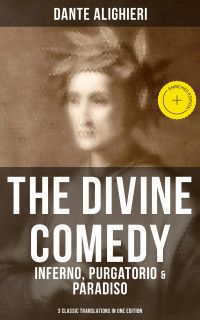
THE DIVINE COMEDY: Inferno, Purgatorio & Paradiso (3 Classic Translations in One Edition)Dante Alighieri30h 37m4.2 (1.2K)$1.99 · $0.00
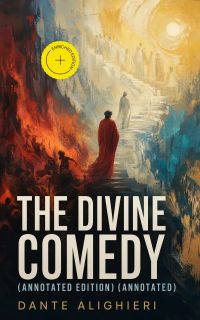
The Divine Comedy (Annotated Edition) (Annotated)Dante Alighieri17h 34m4.3 (8.8K)$0.99 · $0.00
Book of MercyLeonard Cohen1h 9m4.2 (2.6K)$10
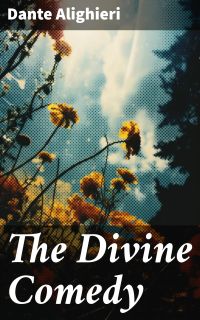
The Divine ComedyDante Alighieri15h 50m4.3 (207.8K)$2 · $0.00
The Divine Comedy. InfernoDante Alighieri4h 18m4.2 (256.7K)$2 · $0.00
Paradise Lost + Paradise Regained (2 Unabridged Classics + Original Illustrations by Gustave Doré) (Annotated)John Milton11h 56m4.4 (2.2K)$3 · $0.00
Escape from HellLarry Niven, Jerry Pournelle9h 24m3.7 (4.3K)$20
DhammapadaAnonymous1h 35m4.4 (41K)$0.99 · $0.00