


Length1h 31m
About this audiobook
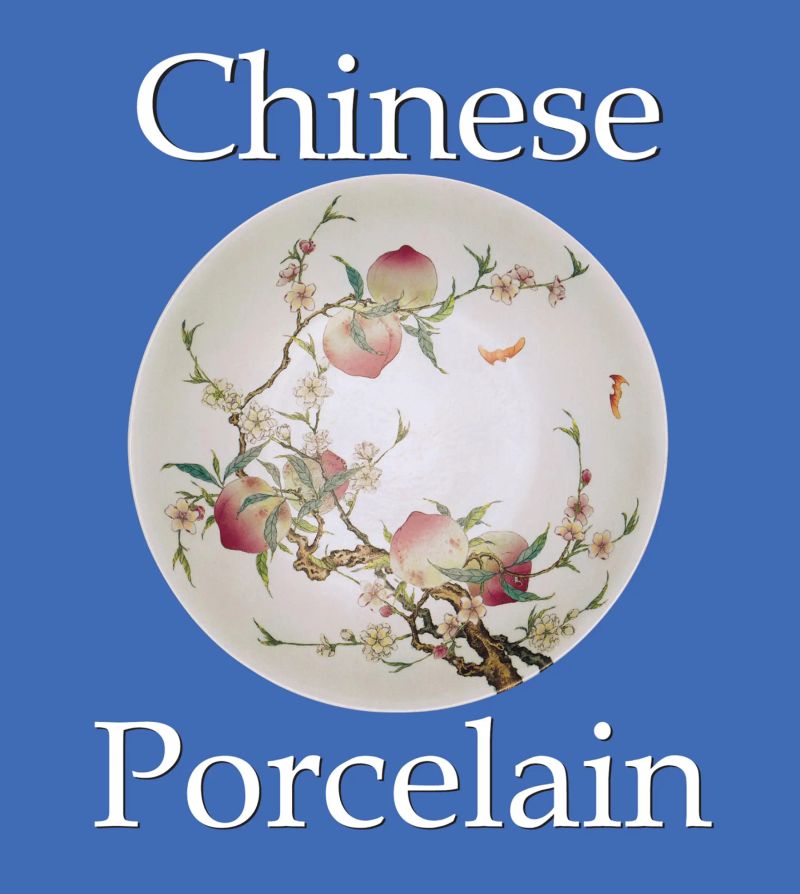
The art of porcelain manufacturing is linked closely to China and its history, appearing in the 7th century when it became an important symbol of royalty or high status. The masterpieces of the genre featured in this book range from simple tea bowls and fantastic vases to hair ornaments, figurines and snuff boxes with intricate, multi-coloured designs. The presentations of these fragile objects are accompanied by an informative outline of the history of Chinese porcelain. This delicate material attracted and continues to attract the attention of art lovers throughout the world.
Audiobook details
GenreOther
Length1 hr 31 mins
Narrated byListen with 1,000+ voices
FormateBook with Audio
Publish dateJul 1, 2011
LanguageEnglish
Table of contents
1Chinese Chinese
2— William Wander
3Chinese Dynasties Chronology
4Southern and Northern Dynasties
5Introduction
Show all chaptersShow less
6Octogonal Rhyton Supported by an Animal Head
7For the creation of a scientific classification
8Pillow in the Shape of a Child
9possesses all the other properties with the
10The Chinese define porcelain under the
11Handled Gourd-Shaped Bottle with Floral Pattern
12elements from porcelain’s character. Porcelain
13Cup
14the white clay kaolin, the unctuous and infusible
15Ju Ware Narcissus Planter
16transparency to the porcelain.
17Song Dynasty, 960-1279 Monochromatic porcelain, height: 20.2 cm The British Museum, London
18the preliminary processes of pounding and
19Bowl
20white enamel under the blowpipe.
21Jar Decorated with Horsemen
22uniform greenish tone, especially when
23Meiping Bottle
24brushwood cut from the mountainside
25Small Bowl
26ten measures of the petuntse puree with one
27the same time conduces to a brilliancy of
28I. Han Dynasty (206 B.C.E.-221)
29The official memoir on porcelain adminis-
30Flat Vase with Figures
31at Chang-an in the district of Fuliang. The
32Bowl
33something similar at the Chinese potteries.
34Jar with a Lid
35then on the northern bank of the Amu
36Stemmed Cup
37bamboo staves, cloth and other goods in
38Stemmed Cup with Dragon Pattern
39embassies to Sogdiana and Parthia in the
40classical fame. In the far south, modern-day
41The official introduction of Buddhism
42Monochromatic Bowl
43adorn the walls of the palace halls and the
44Large Vase Covered with Dragon and Phoenix Pattern
45Chinese-occupied Southeast Asia in 166
46and its embracing of Buddhist philosophy
47in their prolonged research for the elixir vitae
48II. Three Kingdoms Period (220-265)
49Two Bottles with Phoenix Pattern
50Northern India about 424 C.E.
More from O. du Sartel
Mere ChristianityC. S. Lewis7h 7m4.4 (519.7K)$24 · $0.00

Her Daily BreadKate Wood12h 57m4.6 (153)$33 · $0.00
The Holy Bible - 1 SamuelKing James2h 13m4.8 (1.6K)$3 · $0.00

The American Standard Bible — The Gospel of MatthewMatthew3h 56m4.7 (3K)$2 · $0.00

Bad Fat Black GirlSesali Bowen6h 32m4.7 (2.8K)$24 · $0.00

The King James Audio Bible New Testament CompleteChristopher Glyn20h 2m4.7 (2.6K)$12 · $0.00

Faiths CheckbookCharles Spurgeon12h 44m4.7 (3.2K)$11 · $0.00

Ten Things I Wish You Knew About Your Child's Mental HealthDr. Billy Garvey4h 53m4.7 (2.4K)$20 · $0.00

Designing Terry Pratchett’s DiscworldPaul Kidby3h 52m4.7 (343)$20 · $0.00
The Chosen Book OneAmanda Jenkins, Kristen Hendricks, Dallas Jenkins3h 8m4.6 (4.9K)$10 · $0.00

The Lives of BrianBrian Johnson9h 45m4.6 (3.5K)$29 · $0.00

Expository Thoughts on the Gospel of LukeJ.C. Ryle27h 13m4.7 (536)$18 · $0.00

CrossroadsKaleb Dahlgren7h 56m4.6 (4.9K)$26 · $0.00

Across the RiverKent Babb11h 40m4.6 (927)$29 · $0.00

Brain Training for RidersAndrea Monsarrat Waldo5h 56m4.7 (550)$19 · $0.00

My Effin' LifeGeddy Lee17h 11m4.6 (13.1K)$40 · $0.00

Kings and PawnsHoward Bryant10h 9m4.6 (678)$29 · $0.00

The Elementia Chronicles #2: The New OrderSean Fay Wolfe11h 17m4.6 (841)$29 · $0.00

The ActsLuke2h 55m4.6 (19.7K)$12 · $0.00

New Testament - Easy NavigationWorld English Bible19h 35m4.6 (1.3K)$1.30 · $0.00
You may also like

In the South SeasRobert Louis Stevenson10h 43m3.8 (1.1K)$1.20 · $0.00

A Tramp AbroadMark Twain14h 13m4.0 (5.7K)$25

History of Chess (Annotated)H. J. R. Murray48h 3m4.4 (389)$2 · $0.00

A Tramp AbroadMark Twain16h 36m4.0 (7.3K)$1.80 · $0.00

A Book of DiscoveryM. B. Synge14h 27m4.3 (325)$2 · $0.00

History of Lace (Annotated)Mrs. Bury Palliser23h 32m4.0 (52)$2 · $0.00

Illuminated ManuscriptsTamara Woronowa, Andrej Sterligow1h 47m3.8 (14)$15 · $0.00
History of ChessH. J. R. Murray47h 58m4.2 (171)$1 · $0.00

The Flowing BowlEdward Spencer6h 48m$1 · $0.00

Musical Instruments, Historic, Rare and UniqueAlfred J. Hipkins4h 4m$2 · $0.00

Brittany & Its BywaysBury Mrs. Palliser7h 8m$2 · $0.00

The Story of Men’s UnderwearShaun Cole9h 23m$18 · $0.00

The Land of the Black Mountain: The Adventures of Two Englishmen in MontenegroGerald Prance, Reginald Wyon8h 36m$2 · $0.00

Exploring the essence of Gothic artVictoria Charles, Klaus H. Carl1h 37m4.0 (34)$13 · $0.00

San Antonio: City of MissionsClaude B. Aniol36m$2 · $0.00

The Complete Book of CheeseBob Brown7h 33m3.9 (237)$0.99 · $0.00
Delicious And Versatile Timeless Mediterranean Recipes For All OccasionsJideon F Marques3h 19m$12 · $0.00

Nooks and Corners of ShropshireH. Thornhill Timmins5h 4m$2 · $0.00

Polonaise 28Bill Brown Jr.35m$4

A Bundle of Letters from over the SeaLouise B. Robinson6h 3m$2 · $0.00