
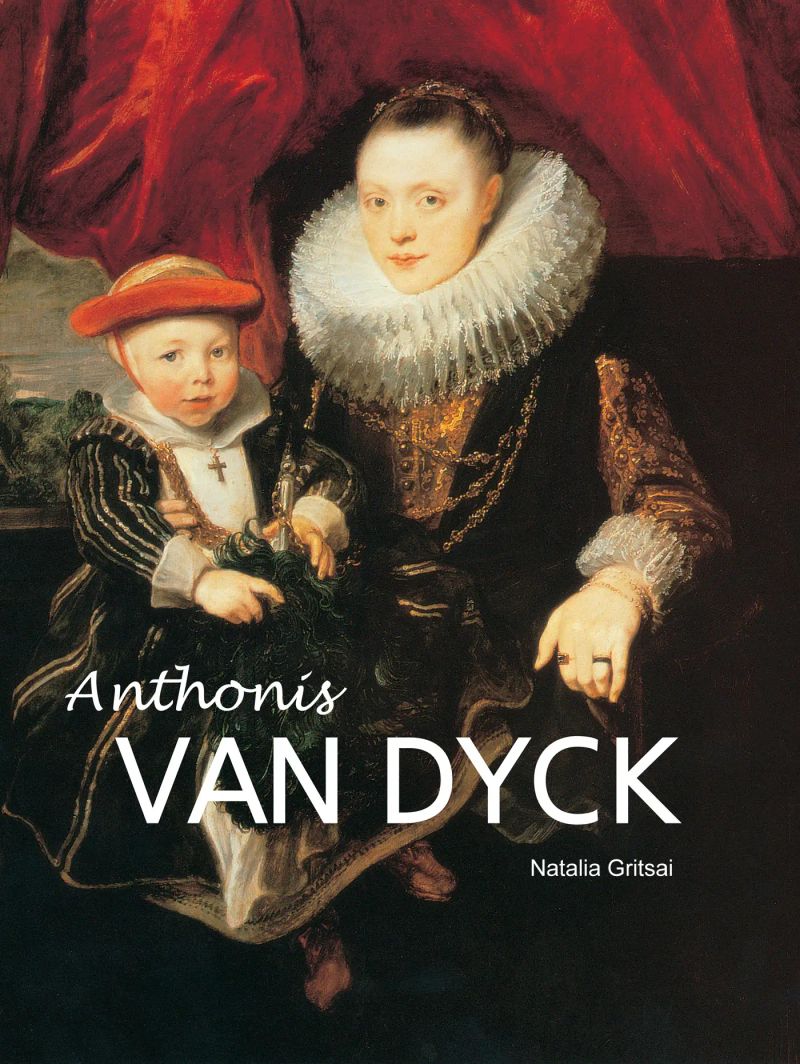


Length2h 2m
About this audiobook
Van Dyck was accustomed early to Rubens’ sumptuous lifestyle; and, when he visited Italy with letters of introduction from his master, lived in the palaces of his patrons, himself adopting such an elegant ostentation that he was spoken of as ‘the Cavalier Painter’. After his return to Antwerp his patrons belonged to the rich and noble class, and his own style of living was modelled on theirs; so that, when in 1632 he received the appointment of court painter to Charles I of England, he maintained an almost princely establishment, and his house at Blackfriars was a resort of fashion. The last two years of his life were spent travelling on the Continent with his young wife, the daughter of Lord Gowry. His health, however, had been broken by the excesses of work, and he returned to London to die. He was buried at St. Paul’s Cathedral.
Van Dyck tried to amalgamate the influences of Italy (Titian, Veronese, Bellini) and Flanders and he succeeded in some paintings, which have a touching grace, notably in his Madonnas and Holy Families, his Crucifixions and Depositions from the Cross, and also in some of his mythological compositions. In his younger days he painted many altarpieces full of sensitive religious feeling and enthusiasm. However, his main glory was as a portraitist, the most elegant and aristocratic ever known. The great Portrait of Charles I in the Louvre is a work unique for its sovereign elegance. In his portraits, he invented a style of elegance and refinement which became a model for the artists of the seventeenth and eighteenth centuries, corresponding as it did to the genteel luxury of the court life of the period. He is also considered one of the greatest colourists in the history of art.
Audiobook details
GenreOther
Length2 hrs 2 mins
Narrated byListen with 1,000+ voices
FormateBook with Audio
LanguageEnglish
Table of contents
1Introduction
2VAN DYCK’S PAINTINGS IN THE HERMITAGE THE HISTORY OF THE COLLECTION
3THE FIRST ANTWERP PERIOD Around 1616-1621
4THE ITALIAN PERIOD 1621-1627
5SECOND ANTWERP PERIOD 1628-1632
Show all chaptersShow less
6THE ENGLISH PERIOD 1632-1641
7BIOGRAPHICAL OUTLINE
8INDEX OF WORKS
Series
More from Natalia Gritsai
Mere ChristianityC. S. Lewis7h 7m4.4 (519.7K)$24 · $0.00

Her Daily BreadKate Wood12h 57m4.6 (153)$33 · $0.00
The Holy Bible - 1 SamuelKing James2h 13m4.8 (1.6K)$3 · $0.00
The American Standard Bible — The Gospel of MatthewMatthew3h 56m4.7 (3K)$2 · $0.00

Bad Fat Black GirlSesali Bowen6h 32m4.7 (2.8K)$24 · $0.00
The King James Audio Bible New Testament CompleteChristopher Glyn20h 2m4.7 (2.6K)$12 · $0.00
Faiths CheckbookCharles Spurgeon12h 44m4.7 (3.2K)$11 · $0.00

Ten Things I Wish You Knew About Your Child's Mental HealthDr. Billy Garvey4h 53m4.7 (2.4K)$20 · $0.00
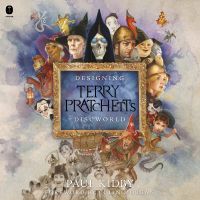
Designing Terry Pratchett’s DiscworldPaul Kidby3h 52m4.7 (343)$20 · $0.00
The Chosen Book OneAmanda Jenkins, Kristen Hendricks, Dallas Jenkins3h 8m4.6 (4.9K)$10 · $0.00
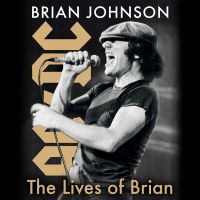
The Lives of BrianBrian Johnson9h 45m4.6 (3.5K)$29 · $0.00
Expository Thoughts on the Gospel of LukeJ.C. Ryle27h 13m4.7 (536)$18 · $0.00

CrossroadsKaleb Dahlgren7h 56m4.6 (4.9K)$26 · $0.00

Across the RiverKent Babb11h 40m4.6 (927)$29 · $0.00

Brain Training for RidersAndrea Monsarrat Waldo5h 56m4.7 (550)$19 · $0.00

My Effin' LifeGeddy Lee17h 11m4.6 (13.1K)$40 · $0.00

Kings and PawnsHoward Bryant10h 9m4.6 (678)$29 · $0.00

The Elementia Chronicles #2: The New OrderSean Fay Wolfe11h 17m4.6 (841)$29 · $0.00
The ActsLuke2h 55m4.6 (19.7K)$12 · $0.00

New Testament - Easy NavigationWorld English Bible19h 35m4.6 (1.3K)$1.30 · $0.00
You may also like

The Four Books of ConfucianismAnonymous, Mencius13h 44m4.2 (308)$1 · $0.00
Plato's Republic (Annotated)Plato18h 13m4.1 (1.3K)$0.99 · $0.00
MeditationsMarcus Aurelius6h 7m4.4 (455.7K)$2 · $0.00

THE EDUCATION OF HENRY ADAMSHenry Adams20h 50m3.8 (8.2K)$1.99 · $0.00

The Diary of Samuel Pepys — CompleteSamuel Pepys125h 9m4.0 (3.4K)$2 · $0.00
Essays of Michel de MontaigneMichel de Montaigne53h 30m4.4 (29.7K)$2.30
The Joys Of CompoundingGautam Baid17h 34m4.5 (2.5K)$18 · $0.00

Letters to His Son, 1750Philip Dormer Stanhope Earl of Chesterfield3h 34m4.1 (752)$2 · $0.00
The Critique of Practical ReasonImmanuel Kant6h 30m4.1 (24.6K)$1.20 · $0.00
THE COMPLETE ESSAYS OF MONTAIGNE (Annotated Edition)Michel de Montaigne46h 38m4.5 (24K)$1.99 · $0.00
Fundamental Principles of the Metaphysic of MoralsImmanuel Kant3h 21m4.0 (24.5K)$0.60 · $0.00
MeditationsMarcus Aurelius5h 52m4.4 (433.7K)$1 · $0.00
There Is Simply Too Much to Think AboutSaul Bellow20h 28m4.0 (272)$30

Diary of Samuel PepysSamuel Pepys121h 34m4.1 (8.7K)$2 · $0.00
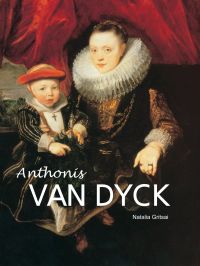
Anthony Van DyckNatalia Gritsai2h 7m$13 · $0.00
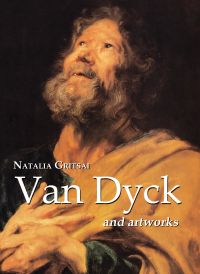
Van DyckNatalia Gritsai1h 46m4.2 (15)$15 · $0.00
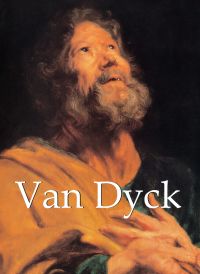
Van DyckNatalia Gritsai2h 4m$13.50 · $0.00
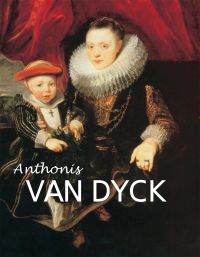
Anthony van DyckVictoria Charles2h 23m4.5 (10)$10 · $0.00
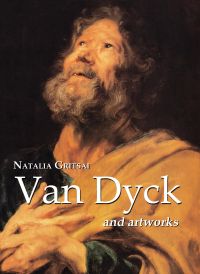
Van Dyck and artworksNatalia Gritsai1h 51m$15 · $0.00
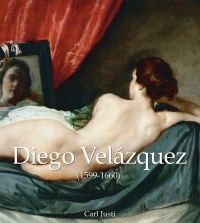
Diego Velázquez (1599-1660)Carl Justi1h 37m4.4 (26)$15 · $0.00