


Length26h 31m
About this audiobook
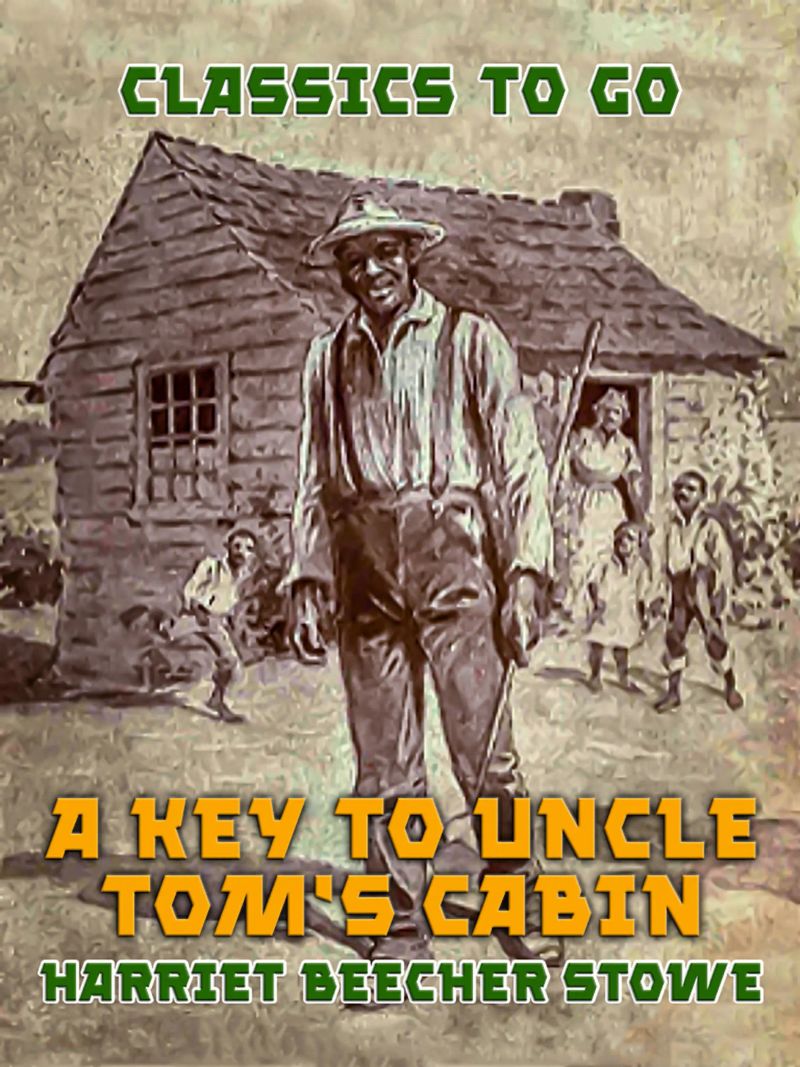
The reaction of Stowe's contemporaries to A Key to Uncle Tom's Cabin was very similar to the reaction to Uncle Tom's Cabin, with both very positive and very negative reviews. The responses of abolitionists and Northerners in general were among the positive, lauding the documentation of the evils of slavery and the confirmation of the truth of Uncle Tom's Cabin. The great interest in Uncle Tom's Cabin in England also transferred to the Key. One English review of the 1853 publication called it a "marvelous book, more so if possible than Uncle Tom's Cabin itself". This same review also commends Stowe's self-control and character. This impression of Stowe and the reception of the book is much different than the reaction to the Key in the South. The pro-slavery response to the Key paralleled the response to Uncle Tom's Cabin. Despite Stowe's use of documented examples, most Southern reviews still claimed that Stowe was misrepresenting slavery and exaggerating the cruelty of the institution. A review in the Southern Literary Messenger called the Key a "distortion of the facts and mutilation of the records, for the sake of giving substance to the scandalous fancy, and reduplicating the falsehood of the representation". Although these reviews claimed that Stowe was misrepresenting slavery, they did not accuse Stowe of using false documentation. Rather they claimed that the examples that Stowe provided are the most extreme instances, which she gathered to give the worst possible impression of the institution of slavery, and of the South. One critic, William Simms, accused her of using faulty argumentation by gathering facts to prove her assumption, instead of forming assumptions based on facts. Another pro-slavery response to both Uncle Tom's Cabin and A Key to Uncle Tom's Cabin was attacks on Stowe's character. Many reviews made insinuations about what sort of woman Stowe must be to write about such events as were found in the Key. A review by George Holmes questioned whether "scenes of license and impurity, and ideas of loathsome depravity and habitual prostitution [are] to be made the cherished topics of the female pen"; he appealed to women, especially Southern women, not to read Stowe's works. In spite of the varied reviews of A Key to Uncle Tom's Cabin, it sold well: 90,000 copies in the first month, a clear best-seller.
Audiobook details
Rating★★★★ 4.0 (637)
Includes Goodreads, Amazon, LibraryThing, StoryGraph
GenreHistory, General Fiction
Length26 hrs 31 mins
Narrated byListen with 1,000+ voices
FormateBook with Audio
Publish dateAug 30, 2021
LanguageEnglish
Table of contents
1PREFACE.
2PART I.
3CHAPTER I.
4CHAPTER II. MR. HALEY.
5CHAPTER III. MR. AND MRS. SHELBY.
Show all chaptersShow less
6CHAPTER IV. GEORGE HARRIS.
7CHAPTER V. ELIZA.
8CHAPTER VI. UNCLE TOM.
9CHAPTER VII. MISS OPHELIA.
10CHAPTER VIII. MARIE ST. CLARE.
11CHAPTER IX. ST. CLARE.
12CHAPTER X. LEGREE.
13CHAPTER XI. SELECT INCIDENTS OF LAWFUL TRADE.
14CHAPTER XII. TOPSY.
15CHAPTER XIII. THE QUAKERS.
16CHAPTER XIV. THE SPIRIT OF ST. CLARE.
17PART II.
18CHAPTER I.
19CHAPTER II. WHAT IS SLAVERY?
20CHAPTER III. SOUTHER v. THE COMMONWEALTH—THE NE PLUS ULTRA OF LEGAL HUMANITY.
21CHAPTER IV. PROTECTIVE STATUTES.
22CHAPTER V. PROTECTIVE ACTS OF SOUTH CAROLINA AND LOUISIANA.—THE IRON COLLAR OF LOUISIANA AND NORTH CAROLINA.
23CHAPTER VI. PROTECTIVE ACTS WITH REGARD TO FOOD AND RAIMENT, LABOR, ETC.
24CHAPTER VII. THE EXECUTION OF JUSTICE.
25CHAPTER VIII. THE GOOD OLD TIMES.
26CHAPTER IX. MODERATE CORRECTION AND ACCIDENTAL DEATH—STATE v. CASTLEMAN.
27CHAPTER X. PRINCIPLES ESTABLISHED.—STATE v. LEGREE; A CASE NOT IN THE BOOKS.
28CHAPTER XI. THE TRIUMPH OF JUSTICE OVER LAW.
29CHAPTER XII. A COMPARISON OF THE ROMAN LAW OF SLAVERY WITH THE AMERICAN.
30CHAPTER XIII. THE MEN BETTER THAN THEIR LAWS.
31CHAPTER XIV. THE HEBREW SLAVE-LAW COMPARED WITH THE AMERICAN SLAVE-LAW.
32CHAPTER XV. SLAVERY IS DESPOTISM.
33PART III.
34CHAPTER I. DOES PUBLIC OPINION PROTECT THE SLAVE?
35CHAPTER II. PUBLIC OPINION FORMED BY EDUCATION.
36CHAPTER III. SEPARATION OF FAMILIES.
37CHAPTER IV. THE SLAVE-TRADE.
38CHAPTER V. SELECT INCIDENTS OF LAWFUL TRADE, OR FACTS STRANGER THAN FICTION.
39CHAPTER VI.
40CHAPTER VII.
41CHAPTER VIII. KIDNAPPING.
42CHAPTER IX. SLAVES AS THEY ARE, ON TESTIMONY OF OWNERS.
43CHAPTER X. “POOR WHITE TRASH.”
44PART IV.
45CHAPTER I. THE INFLUENCE OF THE AMERICAN CHURCH ON SLAVERY.
46CHAPTER II.
47CHAPTER III. MARTYRDOM.
48CHAPTER IV. SERVITUDE IN THE PRIMITIVE CHURCH COMPARED WITH AMERICAN SLAVERY.
49CHAPTER V.
50CHAPTER VI.
Series
More from Harriet Beecher Stowe
Oldtown Fireside StoriesHarriet Beecher Stowe3h 17m3.9 (13)$2.30
Dred: A Tale of the Great Dismal SwampHarriet Beecher Stowe25h 17m3.8 (1.5K)$2.30
Life of Harriet Beecher StoweHarriet Beecher Stowe15h 6m4.1 (48)$2.30
The Salem Witchcraft, the Planchette Mystery, and Modern SpiritualismHarriet Beecher Stowe5h 59m$2.30

A Brief History of IntelligenceMax S. Bennett12h 18m4.6 (6.6K)$29 · $0.00
The Gulag Archipelago Volume 3Aleksandr I. Solzhenitsyn21h 56m4.7 (8.9K)$46 · $0.00
Pearl of Great PriceJoseph Smith3h 8m4.7 (7.2K)$1.20 · $0.00

The Happiest Man on EarthEddie Jaku3h 48m4.6 (178K)$7 · $0.00

MotherlandJulia Ioffe17h 52m4.7 (2.5K)$40 · $0.00

Where Cowards Go to DieBenjamin Sledge8h 42m4.7 (351)$20 · $0.00

RevolutionariesSanjeev Sanyal11h 23m4.6 (2.6K)$29 · $0.00

We Crossed a Bridge and It TrembledWendy Pearlman6h4.6 (5.2K)$24 · $0.00

Unbroken Bonds of BattleJohnny Joey Jones8h 31m4.6 (2.6K)$8 · $0.00

The Daughter of AuschwitzTova Friedman, Malcolm Brabant7h 54m4.6 (16.7K)$26 · $0.00
Lily's PromiseLily Ebert, Dov Forman8h 54m4.6 (16.1K)$29 · $0.00
On Democracies and Death CultsDouglas Murray10h 38m4.6 (6.5K)$29 · $0.00

Across the RiverKent Babb11h 40m4.6 (927)$29 · $0.00

Balcony Over Jerusalem: A Middle East Memoir - Israel, Palestine and BeyondJohn Lyons12h 37m4.6 (1.4K)$33 · $0.00

BeyondStephen Walker15h 39m4.6 (3.2K)$33 · $0.00
Kings and PawnsHoward Bryant10h 9m4.6 (678)$29 · $0.00

No EscapeNury Turkel9h 30m4.6 (809)$28 · $0.00
Jubal Stone: U.S. Marshal: Blood Trail To Hell: A Western Adventure NovelCasey Nash3h 42m4.6 (3.2K)$18 · $0.00

Fall and RiseMitchell Zuckoff17h 23m4.6 (9.8K)$40 · $0.00

The SurvivorJosef Lewkowicz, Michael Calvin9h 22m4.6 (2.5K)$29 · $0.00

WhistlerAnn Patchett10h 45m4.6 (4.6K)$29 · $0.00
Demon CopperheadBarbara Kingsolver21h 3m4.5 (949.4K)$46 · $0.00
To Kill a MockingbirdHarper Lee12h 18m4.5 (7.4M)$29 · $0.00

Remarkably Bright CreaturesShelby Van Pelt11h 17m4.4 (1.7M)$29 · $0.00

This Side of Paradise - The Original 1920 Edition (Annotated)F. Scott Fitzgerald11h 30m4.6 (1.6K)$2 · $0.00

War LordBernard Cornwell13h 21m4.6 (33.1K)$33 · $0.00
The Great Gatsby: Original 1925 Edition (An F. Scott Fitzgerald Classic NovelFrancis Scott Fitzgerald4h 45m4.6 (9.3K)$18 · $0.00
Something Like LoveBeverly Jenkins10h 21m4.6 (2.7K)$29 · $0.00
Black History CollectionFrederick Douglass, Harriet Ann Jacobs, Booker T. Washington, W.E.B. Du Bois27h 9m4.6 (2.6K)$18 · $0.00

The Old Man and the Sea (Annotated)Ernest Hemingway4h 27m4.6 (1.4K)$2 · $0.00

White HotIlona Andrews13h 18m4.5 (136.9K)$5 · $0.00

The Ghost by the Billabong (The Matilda Saga, #5)Jackie French14h 58m4.6 (773)$33 · $0.00
Cast in BloodMichelle Sagara16h 35m4.6 (607)$33 · $0.00
The Captain Blood Trilogy (Annotated)Rafael Sabatini29h 20m4.6 (1K)$3 · $0.00
Ship of the Line (Annotated)Cecil Louis Troughton Smith11h 13m4.6 (1K)$2 · $0.00

The George Orwell CollectionGeorge Orwell24h 46m4.5 (14.4K)$12 · $0.00

ShivajiRanjit Desai25h 13m4.6 (3.1K)$24 · $0.00

Time RegainedMarcel Proust15h 38m4.5 (9.2K)$2 · $0.00

Driving ForceElle James4h 58m4.6 (407)$20 · $0.00

When God Calls the HeartBrian Bird, Michelle Cox3h 24m4.6 (439)$10 · $0.00
You may also like
12 Years a SlaveSolomon Northup7h 36m4.3 (159K)$23
12 Years A SlaveSolomon Northup10h 15m4.3 (308.2K)$1.99 · $0.00
Twelve Years a SlaveSolomon Northup8h 3m4.3 (289.5K)$1.20 · $0.00

A CHILD OF THE JAGO (Modern Classics Series)Arthur Morrison7h 25m3.9 (3.7K)$2 · $0.00

Adivasi Will Not Dance, TheHansda Sowvendra Shekhar5h 20m4.1 (3.3K)$8

Kind of KinRilla Askew13h 19m3.7 (1.4K)$33 · $0.00
Twelve Years a SlaveSolomon Northup8h 4m4.3 (164.9K)$4.50 · $0.00

Journal of a Residence on a Georgian Plantation: 1838-1839 (Annotated)Fanny Kemble12h 46m4.1 (569)$0.99 · $0.00
A Key to Uncle Tom's Cabin (Summarized Edition)Harriet Beecher Stowe5h 54m4.0 (1.7K)$2

MiralRula Jebreal8h 53m3.8 (1.1K)$20 · $0.00
CritoPlato35m4.3 (12.1K)$1.80 · $0.00
Policing the WombMichele Goodwin13h 15m4.5 (481)$23
Twelve Years a SlaveSolomon Northup7h 48m4.3 (140.2K)$20

UnthinkableJamie Raskin15h 8m4.5 (9.3K)$8 · $0.00

Women of MeansMarlene Wagman-Geller8h 53m3.7 (4.5K)$20

Code Name: Johnny WalkerJohnny Walker, Jim DeFelice10h 30m4.2 (3.2K)$29 · $0.00

Incidents in the Life of a Slave GirlHarriet Jacobs8h 27m4.4 (70.6K)$1.20 · $0.00
Noah’s RightsKenni York7h 47m4.6 (408)$20

The Secret Lives of Baba Segi's WivesLola Shoneyin9h 29m4.1 (20.8K)$29 · $0.00
The True Story of Mary Prince, a West Indian SlaveMary Prince2h 51m4.1 (5.4K)$2 · $0.00