
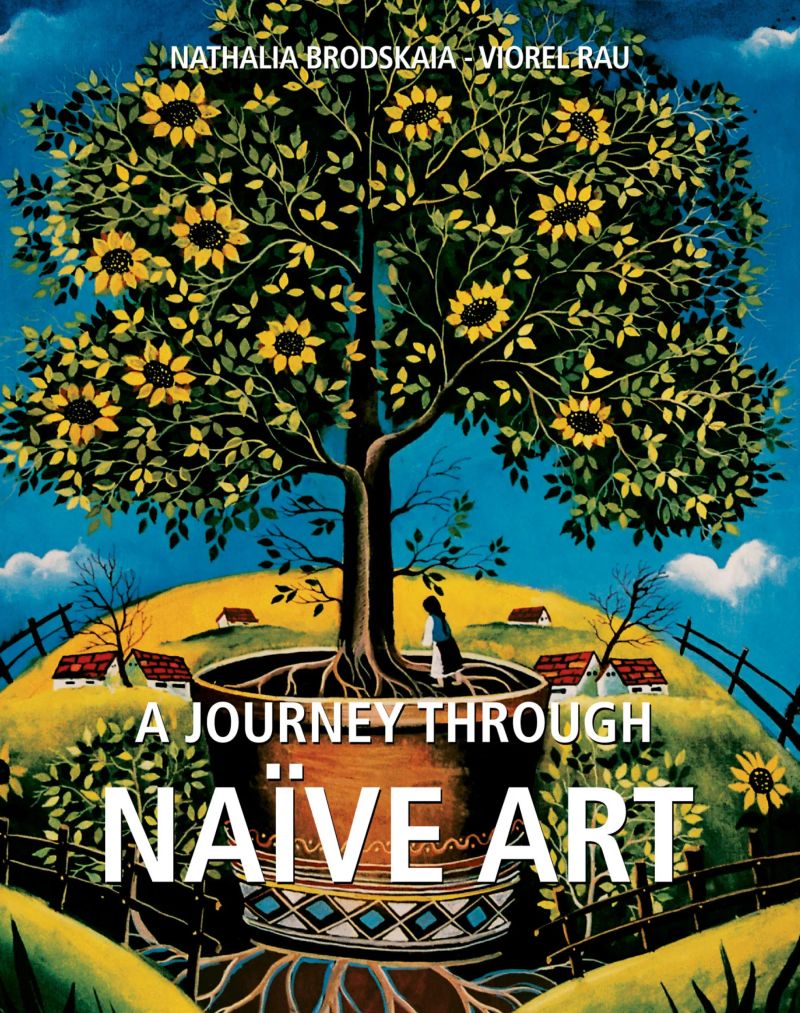
A journey through Naïve art
Innocence, simplicity, and the poetry of untutored visionBy Nathalia Brodskaia, Viorel Rau


Length1h 28m
About this audiobook
Naive art first became popular at the end of the 19th-century. Until that time this form of expression, created by untrained artists and characterised by spontaneity and simplicity, enjoyed little recognition from professional artists and art critics. Influenced by primitive arts, naive painting is distinguished by the fluidity of its lines, vivacity, and joyful colours, as well as by its rather clean-cut, simple shapes. Naive art is represented by such artists as Henri Rousseau, Séraphine de Senlis, André Bauchant, and Camille Bombois. This movement has also found adherents abroad, including such prominent artists as Joan Miró, Guido Vedovato, Niko Pirosmani, and Ivan Generalic.
Audiobook details
GenreOther
Length1 hr 28 mins
Narrated byListen with 1,000+ voices
FormateBook with Audio
Publish dateJul 27, 2024
LanguageEnglish
Table of contents
1Introduction
2INTRODUCTION
3When Was Naïve Art Born?
4Modern Art in Quest of New Material
5BACK TO THE SOURCES
Show all chaptersShow less
6From Medieval to Naive Artists: A Similar Approach?
7Naive Artists and Photography
8DISCOVERIES IN THE EAST: Naive Painting in Romania
9CONCLUSION: IS NAIVE ART REALLY NAIVE?
10MAJOR ARTISTS
11FRANCE
12Henri Rousseau, also called the Douanier Rousseau
13Louis Vivin
14Séraphine Louis, also called Séraphine de Senlis
15Dominique Peyronnet
16André Bauchant
17Camille Bombois
18René Martin Rimbert
19Aristide Caillaud
20SPAIN
21Joan Miró (Joan Miró i Ferra)
22Miguel Garcia Vivancos
23ITALY
24Orneore Metelli
25Guido Vedovato
26UNITED STATES
27Edward Hicks
28Morris Hirshfield
29Anna Mary Robertson, also called Grandma Moses
30GEORGIA: Niko Pirosmani (Pirosmanashvili)
31POLAND: Nikifor Krylov
32CROATIA: Ivan Generalic
33ISRAEL: Shalom Moscovitz, also called Shalom of Safed
34Naive Art
More from Nathalia Brodskaia, Viorel Rau
Mere ChristianityC. S. Lewis7h 7m4.4 (519.7K)$24 · $0.00

Her Daily BreadKate Wood12h 57m4.6 (153)$33 · $0.00
The Holy Bible - 1 SamuelKing James2h 13m4.8 (1.6K)$3 · $0.00
The American Standard Bible — The Gospel of MatthewMatthew3h 56m4.7 (3K)$2 · $0.00

Bad Fat Black GirlSesali Bowen6h 32m4.7 (2.8K)$24 · $0.00
The King James Audio Bible New Testament CompleteChristopher Glyn20h 2m4.7 (2.6K)$12 · $0.00
Faiths CheckbookCharles Spurgeon12h 44m4.7 (3.2K)$11 · $0.00

Ten Things I Wish You Knew About Your Child's Mental HealthDr. Billy Garvey4h 53m4.7 (2.4K)$20 · $0.00

Designing Terry Pratchett’s DiscworldPaul Kidby3h 52m4.7 (343)$20 · $0.00
The Chosen Book OneAmanda Jenkins, Kristen Hendricks, Dallas Jenkins3h 8m4.6 (4.9K)$10 · $0.00
The Lives of BrianBrian Johnson9h 45m4.6 (3.5K)$29 · $0.00
Expository Thoughts on the Gospel of LukeJ.C. Ryle27h 13m4.7 (536)$18 · $0.00
CrossroadsKaleb Dahlgren7h 56m4.6 (4.9K)$26 · $0.00

Across the RiverKent Babb11h 40m4.6 (927)$29 · $0.00

Brain Training for RidersAndrea Monsarrat Waldo5h 56m4.7 (550)$19 · $0.00

My Effin' LifeGeddy Lee17h 11m4.6 (13.1K)$40 · $0.00
Kings and PawnsHoward Bryant10h 9m4.6 (678)$29 · $0.00

The Elementia Chronicles #2: The New OrderSean Fay Wolfe11h 17m4.6 (841)$29 · $0.00

The ActsLuke2h 55m4.6 (19.7K)$12 · $0.00
New Testament - Easy NavigationWorld English Bible19h 35m4.6 (1.3K)$1.30 · $0.00
You may also like
Walking, Autumnal Tints & Wild ApplesHenry David Thoreau3h 46m4.2 (284)$15

Rip Van WinkleWashington Irving34m3.9 (28.7K)$2 · $0.00
Cape CodHenry David Thoreau8h 9m3.9 (3.8K)$1.20 · $0.00
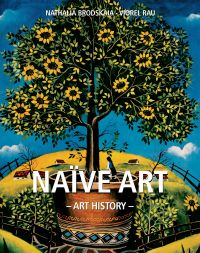
A journey through Naïve artNathalia Brodskaïa, Viorel Rau1h 23m$13 · $0.00
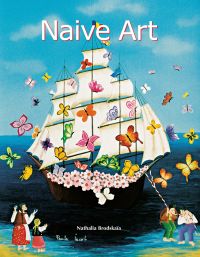
Naive ArtNathalia Brodskaïa3h 17m3.8 (41)$15 · $0.00

Winged Wheels in FranceMichael Myers Shoemaker5h 33m$2 · $0.00
Die griechischen Denker vor SokratesKarl Vorländer4h 22m$0.99 · $0.00

From Gretna Green to Land's End: A Literary Journey in EnglandKatharine Lee Bates5h 13m$2 · $0.00

Selections from Cassell & CompanyCassell Company57m$2 · $0.00
Stories of BirdsLenore Elizabeth Mulets2h 57m$2 · $0.00
Florence and Northern Tuscany with GenoaEdward Hutton12h 51m$2 · $0.00
The Lake of LucerneJoseph E. Morris1h 6m$2 · $0.00
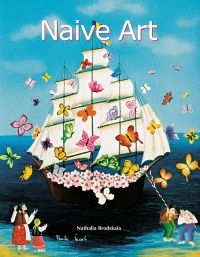
Naive ArtNathalia Brodskaïa2h 53m3.8 (40)$15 · $0.00

Mornings in MexicoD. H. Lawrence3h 44m3.3 (327)$20

Among the Trees at ElmridgeElla Rodman Church7h 11m$2 · $0.00

The Canary IslandsFlorence Du Cane3h 40m$2.30

Sketches in Canada, and rambles among the red menMrs. Anna Brownell Jameson13h 35m$2 · $0.00

EtnaG. F. Rodwell3h 34m$2 · $0.00

The Cornish Coast (South) , and the Isles of ScillyCharles G. Harper6h 34m$2 · $0.00
A Book of Dartmoor: Historical NovelSabine Baring-Gould8h 21m4.1 (21)$1.99 · $0.00