
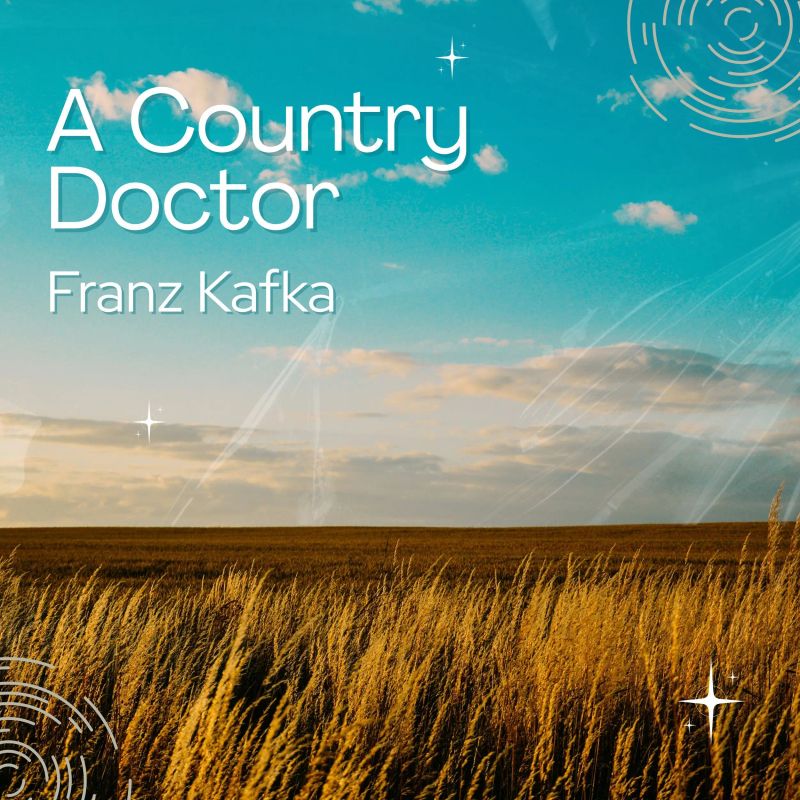
Length17m
About this audiobook
Franz Kafka (1883–1924) was a German-language writer from Prague whose works became some of the most influential in modern literature. Born on July 3, 1883, in Prague—then part of the Austro-Hungarian Empire—Kafka grew up in a middle-class Jewish family. His father, Hermann Kafka, was a successful but domineering businessman, and their strained relationship deeply affected Kafka's emotional life and later writing. Kafka studied law at the German University in Prague and earned a doctorate in 1906. After completing his studies, he worked for an insurance company, a job he found exhausting but stable. Much of his writing was done late at night, often in isolation. Despite his talent, Kafka published only a small number of works during his lifetime and remained relatively unknown to the broader public. His fiction is characterized by surreal situations, oppressive bureaucracies, and feelings of alienation, guilt, and anxiety—elements that later gave rise to the term "Kafkaesque." Among his most famous works are The Metamorphosis (1915), in which a man wakes up transformed into a giant insect; The Trial, a novel about a man arrested and prosecuted by a mysterious authority; and The Castle, which depicts a protagonist struggling to access an unreachable system of power. These works explore themes of powerlessness, identity, and the absurdity of modern life. Kafka suffered from poor health for much of his adult life and was diagnosed with tuberculosis in 1917. As the disease worsened, he spent time in sanatoriums across Europe. He died on June 3, 1924, at the age of 40 in Kierling, near Vienna. Before his death, Kafka asked his close friend and literary executor, Max Brod, to destroy his unpublished manuscripts. Brod famously ignored this request and instead edited and published many of Kafka's works after his death, including The Trial, The Castle, and Amerika. Thanks to Brod's decision, Kafka's writings reached a global audience and became central to twentieth-century literature. Today, Franz Kafka is regarded as one of the most important writers of modernism. His exploration of alienation, authority, and existential uncertainty continues to influence literature, philosophy, and culture worldwide.
Audiobook details
Rating★★★★ 4.2 (23.6K)
Includes Goodreads, StoryGraph, LibraryThing, Amazon
GenreGeneral Fiction
Length17 mins
Narrated byAndrea Carola
FormatAudiobook
Publish dateApr 18, 2026
LanguageEnglish
AmerikaFranz Kafka10h 24m$12 · $0.00
Das SchlossFranz Kafka10h 9m4.0 (101.4K)$12 · $0.00
Brief an den VaterFranz Kafka2h 7m4.2 (76.9K)$1 · $0.00
Der Prozess (Weltklassiker)Franz Kafka9h 16m4.2 (3.2K)$1 · $0.00
Die VerwandlungFranz Kafka2h 18m4.1 (1.6M)$12 · $0.00
Franz Kafka: La metamorfosisFranz Kafka3h 46m4.2 (936.3K)$1.99 · $0.00
Bibliothek Europa: Aufbruch ins HeuteFranz Kafka, Sophokles, Sven Görtz, Julien Offray de la Mettrie, William Blake, Herman Bang, Charles Dickens, Rainer Maria Rilke, Alexandre Dumas, August Strindberg, Stefan Zweig, François Villon, Friedrich Nietzsche, Seneca, William Shakespeare62h 51m$47 · $0.00
The MetamorphosisFranz Kafka2h 13m4.1 (1.7M)$6 · $0.00
MetamorphosisFranz Kafka1h 56m4.1 (1.7M)$7 · $0.00
Racconti di Franz KafkaFranz Kafka44m4.4 (2.6K)$2 · $0.00
Der ProzessFranz Kafka18m4.1 (474.2K)$5 · $0.00
The CastleFranz Kafka9h 5m4.0 (93.1K)$14 · $0.00
MetamorphosisFranz Kafka2h 29m4.1 (1.7M)$0.99 · $0.00
Franz Kafka: Obras CompletasFranz Kafka67h 35m4.6 (1.4K)$0.99 · $0.00

Jüdisches literarisches Erbe – 70 Klassiker, die man kennen mussFranz Kafka, Arthur Schnitzler, Salomon An-ski, Karl Kraus, Franz Werfel, Joseph Roth, Jakob Wassermann, Stefan Zweig, Scholem Alejchem, Fritz Mauthner, Karl Emil Franzos, Ernst Toller, Berthold Auerbach, Egon Erwin Kisch, Peter Altenberg, Heinrich Heine, Marcel Proust, Sigmund Freud, Ernst Weiß, Walter Hasenclever, Hugo Salus, Oskar Baum, Edith Stein, Kurt Tucholsky, Friedrich Adler, Hermann Broch, Moses Mendelssohn, Karl Marx, Ludwig Wittgenstein, Theodor Herzl, Hugo Bettauer, Leopold von Sacher-Masoch, Karl Spindler, Walter Benjamin812h 3m$1 · $0.00
Franz Kafka: Die wichtigsten Erzählungen eines Genies (Kommentiert)Franz Kafka7h 25m$2 · $0.00
AméricaFranz Kafka11h 53m3.9 (41.1K)$0.99 · $0.00
Letter to My FatherFranz Kafka2h 2m4.2 (76.4K)$0.99 · $0.00
Die besten Kurzgeschichten aus Deutschland (Kommentiert)Franz Kafka, Rainer Maria Rilke, Stefan Zweig, Arthur Schnitzler, Jakob Wassermann, Joseph Roth, Eduard Mörike, Gottfried Keller, Theodor Storm, Jean Paul, Heinrich von Kleist, Friedrich Schiller, Achim von Arnim, E. T. A. Hoffmann, Johann Wolfgang von Goethe220h 27m4.4 (112)$2 · $0.00

Die großen Klassiker der jüdischen LiteraturFranz Kafka, Salomon An-ski, Arthur Schnitzler, Else Lasker-Schüler, Karl Kraus, Franz Werfel, Joseph Roth, Jakob Wassermann, Stefan Zweig, Scholem Alejchem, Fritz Mauthner, Karl Emil Franzos, Ernst Toller, Berthold Auerbach, Egon Erwin Kisch, Peter Altenberg, Heinrich Heine, Marcel Proust, Sigmund Freud, Ernst Weiß, Walter Hasenclever, Hugo Salus, Oskar Baum, Edith Stein, Kurt Tucholsky, Friedrich Adler, Hermann Broch, Moses Mendelssohn, Karl Marx, Ludwig Wittgenstein, Theodor Herzl, Hugo Bettauer, Leopold von Sacher-Masoch, Karl Spindler, Walter Benjamin812h 37m4.5 (14)$2 · $0.00
WhistlerAnn Patchett10h 45m4.6 (4.6K)$29 · $0.00
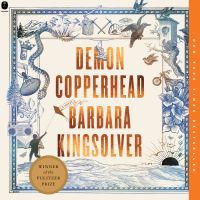
Demon CopperheadBarbara Kingsolver21h 3m4.5 (949.4K)$46 · $0.00
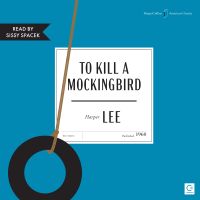
To Kill a MockingbirdHarper Lee12h 18m4.5 (7.4M)$29 · $0.00
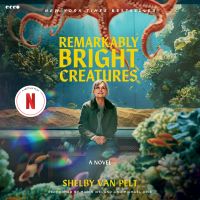
Remarkably Bright CreaturesShelby Van Pelt11h 17m4.4 (1.7M)$29 · $0.00
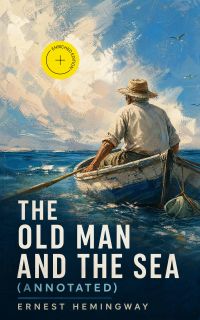
The Old Man and the Sea (Annotated)Ernest Hemingway4h 27m4.6 (1.4K)$2 · $0.00
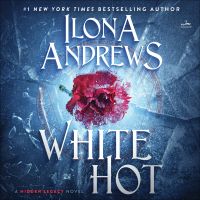
White HotIlona Andrews13h 18m4.5 (136.9K)$5 · $0.00
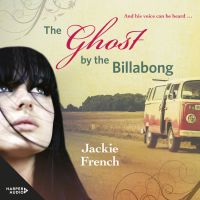
The Ghost by the Billabong (The Matilda Saga, #5)Jackie French14h 58m4.6 (773)$33 · $0.00
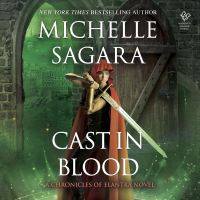
Cast in BloodMichelle Sagara16h 35m4.6 (607)$33 · $0.00
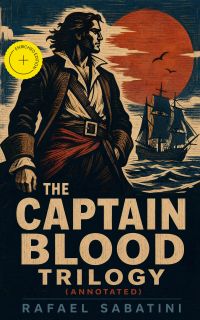
The Captain Blood Trilogy (Annotated)Rafael Sabatini29h 20m4.6 (1K)$3 · $0.00
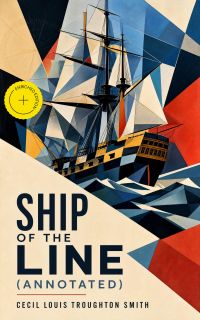
Ship of the Line (Annotated)Cecil Louis Troughton Smith11h 13m4.6 (1K)$2 · $0.00
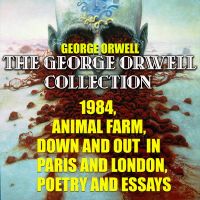
The George Orwell CollectionGeorge Orwell24h 46m4.5 (14.4K)$12 · $0.00
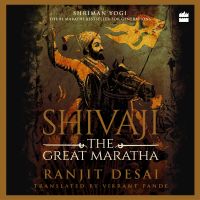
ShivajiRanjit Desai25h 13m4.6 (3.1K)$24 · $0.00
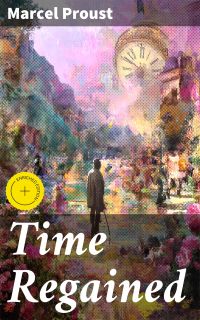
Time RegainedMarcel Proust15h 38m4.5 (9.2K)$2 · $0.00

Driving ForceElle James4h 58m4.6 (407)$20 · $0.00

When God Calls the HeartBrian Bird, Michelle Cox3h 24m4.6 (439)$10 · $0.00
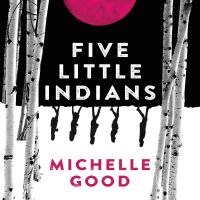
Five Little IndiansMichelle Good10h 34m4.5 (64.5K)$29 · $0.00
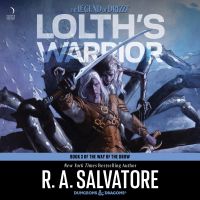
Lolth's WarriorR. A. Salvatore13h 20m4.6 (2.4K)$33 · $0.00
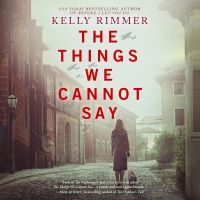
The Things We Cannot SayKelly Rimmer13h 48m4.5 (359.1K)$33 · $0.00

The Love Songs of W.E.B. Du BoisHonoree Fanonne Jeffers29h 49m4.5 (58K)$8 · $0.00
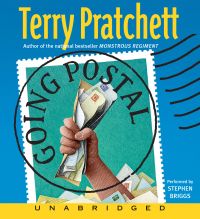
Going PostalTerry Pratchett11h 23m4.5 (189.9K)$29 · $0.00
You may also like
The Truth is a Cave in the Black MountainsNeil Gaiman, Eddie Campbell1h 22m4.1 (12.3K)$16 · $0.00
The Ancient MarinerSamuel Taylor Coleridge23m4.2 (69.1K)$2.30
THE WENDIGO (A Chilling Horror Classic)Algernon Blackwood2h 4m3.9 (13.9K)$1 · $0.00
Melmoth the WandererCharles Robert Maturin26h 22m3.9 (9.2K)$21 · $0.00
Eldritch TalesH. P. Lovecraft20h 7m4.4 (4K)$30
What the Forest DevoursElaine Vilar Madruga10h 59m4.1 (12.7K)$29 · $0.00
Melmoth the WandererCharles Robert Maturin25h 57m3.9 (8.2K)$2 · $0.00
DraculaBram Stoker15h 27m4.2 (1.8M)$6 · $0.00

The White PeopleArthur Machen1h 41m4.1 (3.4K)$21 · $0.00

City of Saints and MadmenJeff VanderMeer11h 55m4.1 (26.2K)$23 · $0.00
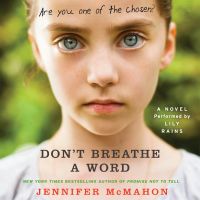
Don't Breathe A WordJennifer McMahon12h3.7 (20.1K)$29 · $0.00
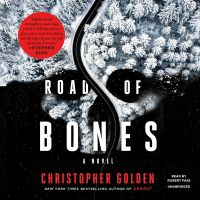
Road of BonesChristopher Golden8h 35m3.6 (25.9K)$20 · $0.00
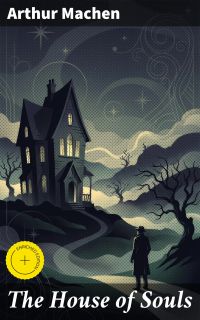
The House of SoulsArthur Machen8h 17m4.0 (1.1K)$2 · $0.00
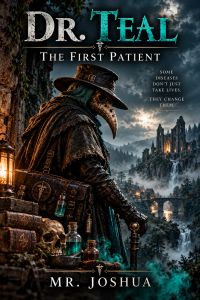
The First PatientMr. Joshua3h 39m4.4 (29)Free
When the Night Bells RingJo Kaplan10h 47m3.8 (752)$25
The Mystery of Choice (Annotated)Robert W. Chambers6h 50m3.7 (195)$1.20 · $0.00
The Black LordColin Hinckley3h 59m4.0 (281)$10 · $0.00

The Sweet Fragrance of Life and Other Horror StoriesElizabeth Schwartz3h 32m$20
Heartful of ScarsEve Morton1h 37m$3 · $0.00
Their Monstrous HeartsYigit Turhan10h 33m2.7 (1.6K)$29 · $0.00