
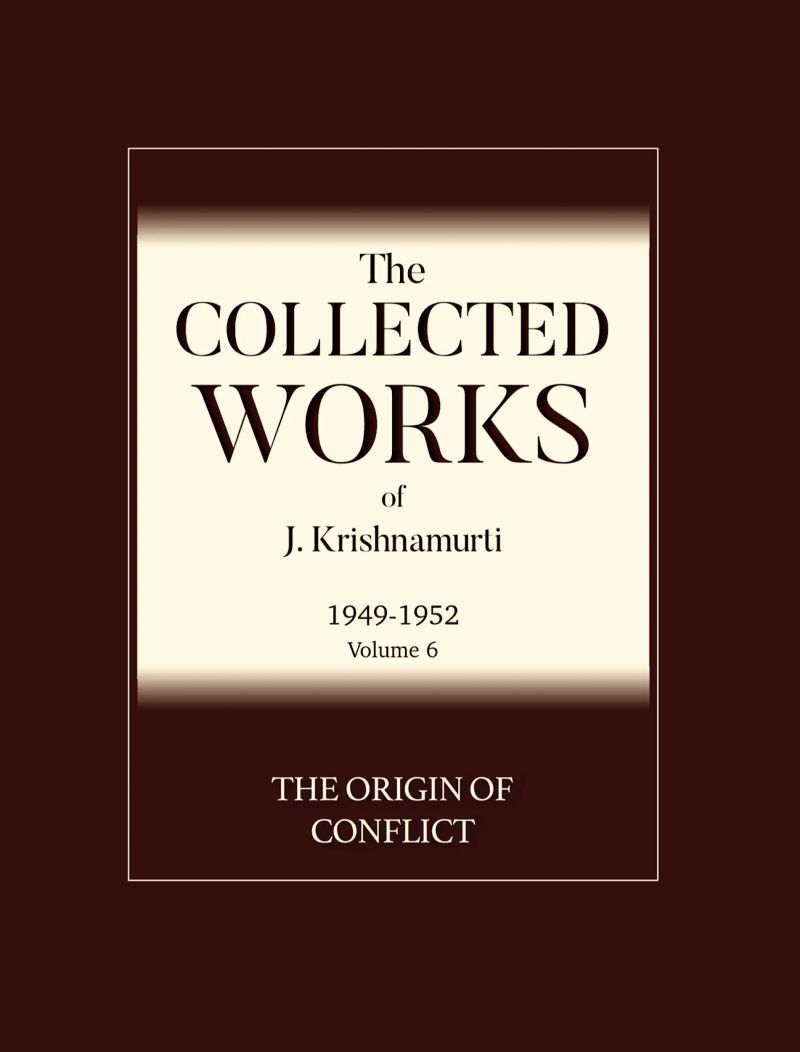
The Origin of Conflict
The Collected Works of J Krishnamurti 1949 - 1952De J Krishnamurti


Duração26h 14m
Sobre este audiolivro
Until the end of his life at the age of ninety, Krishnamurti-the world teacher-traveled the world speaking as a private person. The rejection of all spiritual and psychological authority, including his own, is a fundamental theme. A major concern is the social structure and how it conditions the individual. The emphasis in his talks and writings is on the psychological barriers that prevent clarity of perception. Because his subject is all-embracing, the Collected Works which are in 18 Volumes, are of compelling interest. Within his talks in any one year. Krishnamurti was not able to cover the whole range of his vision, but broad amplifications of particular themes are found throughout these volumes. In them he lays the foundations of many of the concepts he used in later years. The Collected Works contain Krishnamurti`s previously published talks, discussions, answers to specific questions, and writings for the years 1933 through 1967. They are an authentic record of his teachings, taken from transcripts of verbatim shorthand reports and tape recordings. Jiddu Krishnamurti was born in 1895 of Brahmin Parents in South India. At the age of fourteen he was proclaimed the coming World Teacher by Annie Besant, then President of the Theosophical Society, an international organization that emphasized the unity of world religions. Mrs. Besant adopted the boy and took him to England, where he was educated and prepared for his coming role. In 1911 a new worldwide organization was formed with Krishnamurti as its head, solely to prepare its members for hisadvent as World Teacher. In 1929, after many years of questioning himself and the destiny imposed upon him, Krishnamurti disbanded this organization, saying: Truth is a pathless land, and you cannot approach it by any path whatsoever, by any religion, by any sect. Truth, being limitless, unconditioned, unapproachable by any path whatsoever, cannot be organized; nor should any organization be formed to lead or to coerce people along any particular path. My only concern is to set men absolutely, unconditionally free. Until he end of his life at the age of ninety, Krishnamurti traveled the world speaking as a private person. The rejection of all spiritual and psychological authority, including his own, is a fundamental theme. A major concern is the social structure and how it conditions the individual. The emphasis in his talks and writings is on the psychological barriers that prevent clarity of perception. In the mirror of relationship, each of us can come to understand the content of his own consciousness, which is common to all humanity. We can do this, not analytically, but directly in a manner Krishnamurti describes at length. In observing this content we discover within ourselves the division of the observer and what is observed. He points out that this division, which prevents direct perception, is the root of human conflict. His central vision did not waver after 1929, but Krishnamurti strove for the rest of his life to make his language even more simple and clear. There is a development in his exposition. From year to year he used new terms and new approaches to his subject, with different nuances. Because his subject is all embracing, the Collected Works are of compelling interest. Within his talks in any one year, Krishnamurti was not able to cover the whole range of his vision, but broad amplifications of particular themes are found throughout these volumes. In them he lays the foundations of many of the concepts he used in later years. The Collected Works containKrishnamurti`s previously published talks, discussions, answers to specific questions, and writings for the years 1933 through 1967. They are an authentic record of his teachings, taken from transcripts of verbatim shorthand reports and tape recordings.
Detalhes do audiolivro
Avaliação★★★★ 4,4 (23)
Inclui Goodreads, Amazon
GêneroPhilosophy
Duração26 h 14 min
Narrado porOuça com mais de 1.000 vozes
FormatoeBook com áudio
Data de publicação9 de set. de 2022
IdiomaInglês
Sumário
1Preface
26First Talk, April 9, 1950
2Talks in Rajahmundry, India
27Second Talk, April 16, 1950
3First Talk, November 20, 1949
28Third Talk, April 23, 1950
4Second Talk, November 27, 1949
29Fourth Talk, April 30, 1950
5Third Talk, December 4, 1949
30Fifth Talk, May 7, 1950
Mostrar todos os capítulosVer menos
6Talks in Madras, India
31Talks in New York City, New York
7First Talk, December 18, 1949
32First Talk, June 4, 1950
8Second Talk, January 29, 1950
33Second Talk, June 11, 1950
9Third Talk, February 5, 1950
34Third Talk, June 18, 1950
10Talks in Colombo, Ceylon
35Fourth Talk, June 25, 1950
11First Talk, December 25, 1949
36Fifth Talk, July 2, 1950
12Action, Radio Talk, December 28, 1949
37Talks in Seattle, Washington
13Second Talk, January 1, 1950
38First Talk, July 16, 1950
14Third Talk, January 8, 1950
39Second Talk, July 23, 1950
15Fourth Talk, January 15, 1950
40Third Talk, July 30, 1950
16Fifth Talk, January 22, 1950
41Fourth Talk, August 6, 1950
17Relationship, Radio Talk, January 22, 1950
42Fifth Talk, August 13, 1950
18Talks in Bombay, India
43Talks in Madras, India
19First Talk, February 12, 1950
44First Talk, January 5, 1952
20Second Talk, February 19, 1950
45Second Talk, January 6, 1952
21Third Talk, February 26, 1950
46Third Talk, January 12, 1952
22Fourth Talk, March 5, 1950
47Fourth Talk, January 13, 1952
23Fifth Talk, March 12, 1950
48Fifth Talk, January 19, 1952
24Sixth Talk, March 14, 1950
49Sixth Talk, January 20, 1952
25Talks in Paris, France
50Seventh Talk, January 26, 1952
Crisis in ConsciousnessJ Krishnamurti27h 53min$6 · $0.00
The Dignity of LivingJ Krishnamurti24h$6 · $0.00
Unconditioning and Education 2J Krishnamurti8h 4min$6 · $0.00
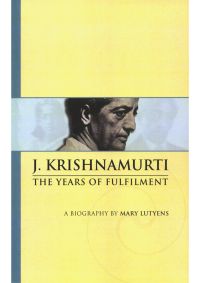
Mary Lutyens - 2. Krishnamurti. The Years of FulfilmentJ Krishnamurti, Mary Lutyens10h 15min4.2 (66)$6
The Mirror of Relationship , Love , Sex , and ChastityJ Krishnamurti17h 19min4.2 (100)$6 · $0.00
The Art of ListeningJ Krishnamurti14h 8min4.6 (48)$6 · $0.00
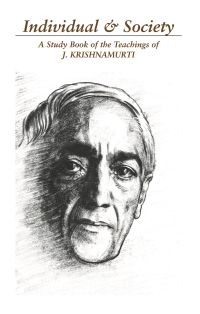
Individual and Society: The Bondage of ConditioningJ Krishnamurti3h 51min3.9 (20)$6 · $0.00
ActionJ Krishnamurti5h 28min4.2 (18)$6 · $0.00
The New MindJ Krishnamurti21h 54min4.6 (25)$6 · $0.00
Commentaries On Living 2J Krishnamurti9h 58min4.5 (606)$6 · $0.00

Krishnamurtis NotebookJ Krishnamurti11h4.5 (3.8K)$6
The Years of AwakeningJ Krishnamurti13h 33min4.4 (298)$6 · $0.00

The World Within; You Are The Story of HumanityJ Krishnamurti6h 27min4.0 (14)$6 · $0.00
The Mirror of RelationshipJ Krishnamurti17h 19min4.2 (97)$6 · $0.00
Insights Into EducationJ Krishnamurti5h 22min4.3 (153)$6 · $0.00
Mary Lutyens - 3. Krishnamurti. The Open DoorJ Krishnamurti, Mary Lutyens7h4.3 (33)$7 · $0.00
The Observer ObservedJ Krishnamurti2h 50min4.5 (25)$7 · $0.00
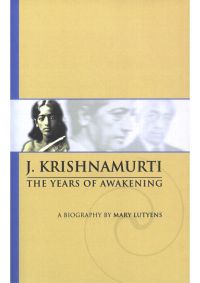
Mary Lutyens - 1. Krishnamurti. The Years of AwakeningJ Krishnamurti, Mary Lutyens13h 33min4.2 (161)$6 · $0.00
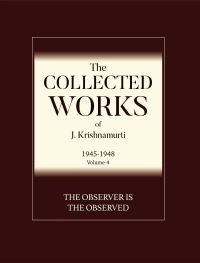
What Are You Seeking ?J Krishnamurti15h 6min4.5 (242)$7 · $0.00

The RepublicPlato22h 18min4.1 (267.4K) · 1685Grátis
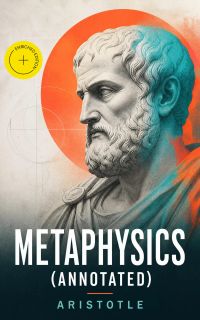
Metaphysics (Annotated)Aristotle13h 30min4.6 (1.2K)$2 · $0.00

Sceptical Essays (Annotated)Bertrand Russell9h 16min4.6 (1K)$2 · $0.00

WitnessAriel Burger8h 1min4.6 (1.3K)$20 · $0.00

Kahlil Gibran. Classic CollectionKahlil Gibran2h 55min4.5 (4K)$10 · $0.00

The Magic PresenceGodfré Ray King10h 21min4.6 (307)$1.20 · $0.00
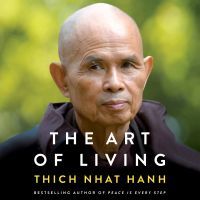
The Art of LivingThich Nhat Hanh5h 1min4.5 (14.2K)$24 · $0.00

Moral Letters to LuciliusLucius Annaeus Seneca24h 26min4.5 (71.7K)$1.99 · $0.00
Complete Works of Marcus AureliusMarcus Aurelius5h 1min4.5 (2.4K)$10 · $0.00

Lessons in TruthH. Emilie Cady3h 50min4.5 (2.4K)$20 · $0.00

Letters from a StoicSeneca6h 5min4.4 (80.4K)$6 · $0.00
The Discourses of EpictetusP. E. MATHESOM12h 47min4.4 (17.7K)$1.20 · $0.00

IlluminationsWalter Benjamin10h 12min4.4 (16.2K)$20 · $0.00
The Awakening of IntelligenceJ. Krishnamurti19h 1min4.5 (2.7K)$7 · $0.00

That Bird Has My WingsJarvis Jay Masters9h 49min4.4 (13.7K)$29 · $0.00

Tâo Teh KingLaozi2h 34min4.4 (230.9K)$2 · $0.00
SymposiumPlato3h 26min4.4 (97.9K)$1.20 · $0.00

Buddhist Boot CampTimber Hawkeye2h 39min4.4 (8.4K)$18 · $0.00
Commentaries On Living 2J Krishnamurti9h 58min4.5 (606)$6 · $0.00
Enchiridion & The Discourses of Epictetus (Annotated)Arrian Epictetus18h 9min4.4 (3.5K)$2 · $0.00
Você também pode gostar
The Awakening of IntelligenceJ. Krishnamurti19h 1min4.5 (2.7K)$7 · $0.00
The Autistic BrainTemple Grandin, Richard Panek7h 51min4.2 (13.9K)$26 · $0.00

The Art of MemoirMary Karr7h 21min4.1 (11.4K)$24 · $0.00

The Predictably IrrationalDan Ariely7h 24min4.2 (370.5K)$24 · $0.00

Memory: How to Develop, Train, and Use ItWilliam Walker Atkinson4h 9min3.9 (1.4K)$1.99 · $0.00
Time and Free WillHenri Bergson8h 31min4.1 (1.8K)$1.99 · $0.00
Mind is a MythU.G. Krishnamurti6h 3min4.2 (630)$1.99 · $0.00
Seeing with New EyesSmith Daniel47min4.3 (1.6K) Só no Ultra

THE POWER OF CONCENTRATIONWilliam Walker Atkinson5h 15min4.0 (4.7K)$1.99 · $0.00

Talks To Teachers On PsychologyWilliam James7h 58min4.1 (650)$1.99 · $0.00

Matter & MemoryHenri Bergson10h 46min4.2 (3.9K)$1.99 · $0.00
The Art of ListeningJ Krishnamurti14h 8min4.6 (48)$6 · $0.00
Individual and Society: The Bondage of ConditioningJ Krishnamurti3h 51min3.9 (20)$6 · $0.00
The Dignity of LivingJ Krishnamurti24h$6 · $0.00
Is pleasure love?Jiddu Krishnamurti1h 36min4.4 (47)$5 · $0.00

I Live on Autopilot and Can't Remember Last Tuesday - How to Pay Attention to Your Own Life Again, Make Small Changes, and Stop Reaching the End of the Month Wondering Where the Time WentMax Paradox4h 46min$7.50
The New MindJ Krishnamurti21h 54min4.6 (25)$6 · $0.00
Meditation is to discover an area in which there is no movement of thoughtJiddu Krishnamurti1h 24min$5 · $0.00
What is the operation of thought?Jiddu Krishnamurti1h 24min4.5 (17)$5 · $0.00

I No Longer Have a Place Beyond Home and Work - How to Find a Community of My Own, Regular Places to Go, and People Outside My Responsibilities Without Signing Up for Seven Clubs Right AwayMax Paradox6h 45min4.6 (118)$7.50