
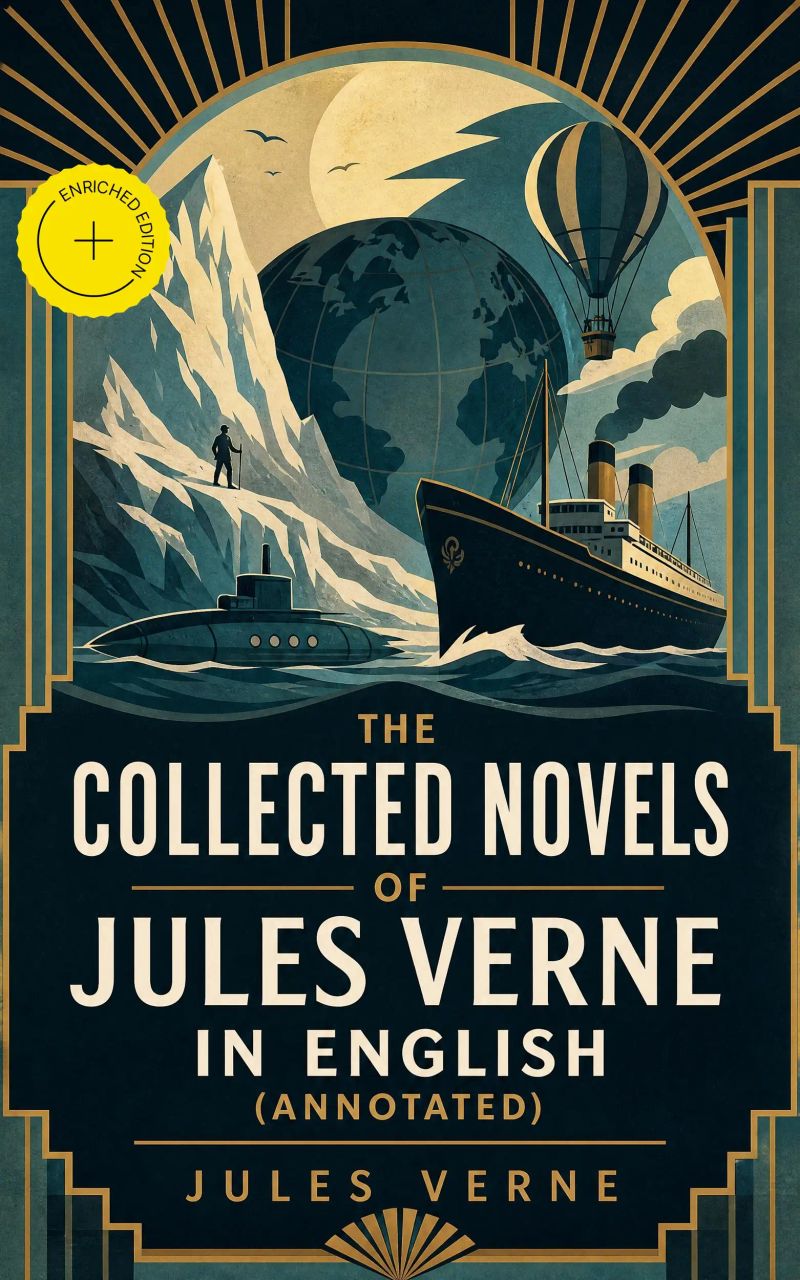
The Collected Novels of Jules Verne in English (Annotated)
Enriched Edition. 19th-century adventure and science fiction: global travel; submarines, balloons, moonshots, subterranean questsDe Jules Verne


Duração217h 23m
Sobre este audiolivro
The Collected Novels of Jules Verne in English gathers the foundational adventures of modern scientific romance, from submarine voyages and lunar speculation to polar quests, aerial journeys, and global circumnavigation. Verne's prose combines brisk narrative engineering with encyclopedic curiosity, embedding geography, mechanics, geology, and imperial-era exploration within plots of suspense and wonder. In literary context, these works stand at the crossroads of nineteenth-century adventure fiction, popular science, and the emerging genre now called science fiction. Jules Verne (1828–1905), born in Nantes and later central to Pierre-Jules Hetzel's celebrated Voyages extraordinaires, wrote during an age transformed by steam power, telegraphy, cartography, and expanding European knowledge of the globe. Trained in law but drawn to theatre, travel writing, and scientific reportage, Verne transformed contemporary technological possibility into narrative prophecy, not by magic, but through disciplined extrapolation and a dramatist's sense of pace. This collection is recommended to readers seeking both entertainment and intellectual history: it offers thrilling plots while revealing how the nineteenth century imagined the future. Scholars, students, and general readers alike will find in Verne a lucid, inventive, and enduring guide to the romance of knowledge.
This enriched edition has been carefully crafted to add value to your reading experience.
- A comprehensive Introduction outlines these selected works' unifying features, themes, or stylistic evolutions.
- The Author Biography highlights personal milestones and literary influences that shape the entire body of writing.
- A Historical Context section situates the works in their broader era—social currents, cultural trends, and key events that underpin their creation.
- A concise Synopsis (Selection) offers an accessible overview of the included texts, helping readers navigate plotlines and main ideas without revealing critical twists.
- A unified Analysis examines recurring motifs and stylistic hallmarks across the collection, tying the stories together while spotlighting the different work's strengths.
- Reflection questions inspire deeper contemplation of the author's overarching message, inviting readers to draw connections among different texts and relate them to modern contexts.
- Lastly, our hand‐picked Memorable Quotes distill pivotal lines and turning points, serving as touchstones for the collection's central themes.
Detalhes do audiolivro
Avaliação★★★★★ 4,6 (133)
Inclui Amazon, Goodreads
GêneroScience Fiction, Literary Classics
Duração217 h 23 min
Narrado porOuça com mais de 1.000 vozes
FormatoeBook com áudio
Data de publicação27 de fev. de 2014
IdiomaInglês
Sumário
1The Collected Novels of Jules Verne in English (Annotated)
26CHAPTER THIRTY-FIRST.
2Introduction
27CHAPTER THIRTY-SECOND.
3Author Biography
28CHAPTER THIRTY-THIRD.
4Historical Context
29CHAPTER THIRTY-FOURTH.
5Synopsis (Selection)
30CHAPTER THIRTY-FIFTH.
Mostrar todos os capítulosVer menos
6Five Weeks In A Balloon - 1863
31CHAPTER THIRTY-SIXTH.
7CHAPTER TWELFTH.
32CHAPTER THIRTY-SEVENTH.
8CHAPTER THIRTEENTH.
33CHAPTER THIRTY-EIGHTH.
9CHAPTER FOURTEENTH.
34CHAPTER THIRTY-NINTH.
10CHAPTER FIFTEENTH.
35CHAPTER FORTIETH.
11CHAPTER SIXTEENTH.
36CHAPTER FORTY-FIRST.
12CHAPTER SEVENTEENTH.
37PREFACE
13CHAPTER EIGHTEENTH.
38CHAPTER I.
14CHAPTER NINETEENTH.
39CHAPTER II.
15CHAPTER TWENTIETH.
40CHAPTER III.
16CHAPTER TWENTY-FIRST.
41CHAPTER IV.
17CHAPTER TWENTY-SECOND.
42CHAPTER V.
18CHAPTER TWENTY-THIRD.
43CHAPTER VI.
19CHAPTER TWENTY-FOURTH.
44CHAPTER VII.
20CHAPTER TWENTY-FIFTH.
45CHAPTER VIII.
21CHAPTER TWENTY-SIXTH.
46CHAPTER IX.
22CHAPTER TWENTY-SEVENTH.
47CHAPTER X.
23CHAPTER TWENTY-EIGHTH.
48CHAPTER XI.
24CHAPTER TWENTY-NINTH.
49CHAPTER XII.
25CHAPTER THIRTIETH.
50CHAPTER XIII.

100 Kult-KrimisJules Verne, Ricarda Huch, Charles Dickens, Theodor Fontane, Karl May, Mark Twain, Hugo Bettauer, Eufemia von Adlersfeld-Ballestrem, Robert Louis Stevenson, Edgar Allan Poe, Anne Brontë, Emily Brontë, Arthur Conan Doyle, Joseph Conrad, Walter Scott, Daniel Defoe, Arthur Morrison, Emile Gaboriau, Alexandre Dumas, Frank Heller, Washington Irving, Wilkie Collins, Edgar Wallace, Sven Elvestad, J. S. Fletcher, G. K. Chesterton, E. T. A. Hoffmann, Fjodor Dostojewski, Ernest William Hornung, Friedrich Glauser, Louis Weinert-Wilton, Matthias McDonnell Bodkin, Philipp Galen, Matthias Blank, Paul Rosenhayn, Otto Schwerin1002h 55min4.3 (112)$1 · $0.00

Die beliebtesten Abenteuerromane (35 Klassiker der Jugendliteratur - Illustrierte Ausgabe)Jules Verne, Friedrich Gerstäcker, Lewis Carroll, Charles Dickens, Karl May, Mark Twain, Emmy von Rhoden, Heinrich Zschokke, Amalie Schoppe, Robert Louis Stevenson, James Fenimore Cooper, Edgar Allan Poe, Arthur Conan Doyle, Herman Melville, Walter Scott, Jonathan Swift, Daniel Defoe, Johann David Wyss, Alexandre Dumas, Rudyard Kipling, Emilio Salgari, Franz Treller, Sophie Wörishöffer, Frederick Kapitän Marryat586h 39min4.3 (13)$1 · $0.00

Die spannendsten Abenteuerromane aller Zeiten (Illustrierte Ausgabe)Jules Verne, Friedrich Gerstäcker, Charles Dickens, Karl May, Mark Twain, Heinrich Zschokke, Amalie Schoppe, Robert Louis Stevenson, James Fenimore Cooper, Edgar Allan Poe, Arthur Conan Doyle, Joseph Conrad, Herman Melville, Walter Scott, Jonathan Swift, Pierre Loti, Daniel Defoe, Alexandre Dumas, Rudyard Kipling, Gustave Aimard, Emilio Salgari, Franz Treller, G. K. Chesterton, Miguel de Cervantes, Robert Kraft, Sophie Wörishöffer, Frederick Kapitän Marryat880h 1min4.3 (104)$1 · $0.00

Die beliebtesten Seeabenteuerromane (Klassiker für Jugendliche)Jules Verne, Karl May, Amalie Schoppe, Robert Louis Stevenson, James Fenimore Cooper, Edgar Allan Poe, Joseph Conrad, Herman Melville, Jonathan Swift, Daniel Defoe, Johann David Wyss, Alexandre Dumas, Emilio Salgari, Sophie Wörishöffer, Frederick Kapitän Marryat, Alexander von Ungern-Sternberg310h 59min4.3 (12)$1 · $0.00

Die Gebrüder KipJules Verne17h 11min3.8 (374)$1 · $0.00

Die großen Seefahrer der GeschichteJules Verne60h 9min4.0 (79)$1 · $0.00

Die spannendsten Seeabenteuer zum Abschalten (50+ Packende Abenteuer-Klassiker & 70 Seegeschichten)Jules Verne, Karl May, Amalie Schoppe, Robert Louis Stevenson, James Fenimore Cooper, Edgar Allan Poe, Victor Hugo, Joseph Conrad, Herman Melville, Jonathan Swift, Pierre Loti, Daniel Defoe, Alexandre Dumas, Rudyard Kipling, Emilio Salgari, Franz Treller, Robert Kraft, Frederick Kapitän Marryat, Alexander von Ungern-Sternberg, Walther Kabel, Heinrich Smidt873h 6min$2 · $0.00

50 Klassiker für WeihnachtenJules Verne, Lewis Carroll, Selma Lagerlöf, Johanna Spyri, Charles Dickens, Theodor Fontane, Karl May, Mark Twain, Eufemia von Adlersfeld-Ballestrem, Robert Louis Stevenson, Edgar Allan Poe, Charlotte Brontë, Jack London, Victor Hugo, Arthur Conan Doyle, Frances Hodgson Burnett, Jane Austen, Alexandre Dumas, Beatrix Potter, Voltaire, Lew Wallace, G. K. Chesterton, Hans Christian Andersen, Fjodor Michailowitsch Dostojewski, Wilhelmine Heimburg, Kurt Tucholsky, Hermann Kurz, Brüder Grimm, Hedwig Courths-Mahler, E.T.A. Hoffman472h 16min4.3 (11)$1 · $0.00
Der Courier des Czaar (Michael Strogoff)Jules Verne14h 6min4.2 (41.8K)$1 · $0.00

Die großen Seefahrer der GeschichteJules Verne60h 9min4.3 (20)$1 · $0.00

40+ Abenteuerromane für den Lese-UrlaubJules Verne, Friedrich Gerstäcker, Charles Dickens, Karl May, Mark Twain, Amalie Schoppe, Robert Louis Stevenson, James Fenimore Cooper, Edgar Allan Poe, Arthur Conan Doyle, Joseph Conrad, Herman Melville, Walter Scott, Jonathan Swift, Pierre Loti, Daniel Defoe, Alexandre Dumas, Rudyard Kipling, Gustave Aimard, Emilio Salgari, Franz Treller, G. K. Chesterton, Robert Kraft, Sophie Wörishöffer, Frederick Kapitän Marryat897h 37min4.3 (12)$1 · $0.00

Die großen SeeabenteuerromaneJules Verne, Karl May, Amalie Schoppe, Robert Louis Stevenson, James Fenimore Cooper, Edgar Allan Poe, Joseph Conrad, Herman Melville, Jonathan Swift, Daniel Defoe, Johann David Wyss, Alexandre Dumas, Emilio Salgari, Sophie Wörishöffer, Frederick Kapitän Marryat, Alexander von Ungern-Sternberg310h 59min4.6 (12)$1.50 · $0.00
Die besten Abenteuerromane von Jules VerneJules Verne40h 34min4.5 (181)$1 · $0.00

100 Meisterkrimis - Klassiker die man kennen mussJules Verne, Ricarda Huch, Charles Dickens, Theodor Fontane, Karl May, Mark Twain, Hugo Bettauer, Eufemia von Adlersfeld-Ballestrem, Robert Louis Stevenson, Edgar Allan Poe, Charlotte Brontë, Anne Brontë, Emily Brontë, Arthur Conan Doyle, Joseph Conrad, Walter Scott, Daniel Defoe, Arthur Morrison, Emile Gaboriau, Alexandre Dumas, Frank Heller, Washington Irving, Wilkie Collins, Edgar Wallace, Sven Elvestad, J. S. Fletcher, G. K. Chesterton, E. T. A. Hoffmann, Fjodor Dostojewski, Ernest William Hornung, Friedrich Glauser, Louis Weinert-Wilton, Matthias McDonnell Bodkin, Philipp Galen, Matthias Blank, Paul Rosenhayn, Otto Schwerin1002h 55min$2 · $0.00

Großes Abenteuer für den Lese-Urlaub (15 Piraten-Klassiker zum Abschalten)Jules Verne, Georg Engel, Robert Louis Stevenson, James Fenimore Cooper, Edgar Allan Poe, Daniel Defoe, Emilio Salgari, Frederick Kapitän Marryat, Walther Kabel142h 40min$1 · $0.00

Die geheimnisvolle Insel (Sci-Fi Klassiker)Jules Verne25h 11min4.3 (70.4K)$1 · $0.00

Die fantastischen Reisen: Verne-Abenteuer-ReiheJules Verne733h 1min4.5 (159)$1 · $0.00

Zwei fesselnde Abenteuerromane: Robinson Crusoe + Die Schule der RobinsonsJules Verne, Daniel Defoe21h 14min4.3 (11)$1 · $0.00

Die JangadaJules Verne14h 27min3.8 (3K)$1 · $0.00

Gesammelte WerkeJules Verne731h 36min3.6 (16)$1 · $0.00

Before the Coffee Gets Cold: A Toshikazu Kawaguchi Book SetToshikazu Kawaguchi18h 55min4.5 (1.4K)$40 · $0.00

PRIMAL 2055 - EscapeJack Silkstone6h 47min4.4 (232)Grátis
GenesisRick Partlow10h 50min4.5 (2.2K)$20 · $0.00

The Galaxy, and the Ground WithinBecky Chambers9h 56min4.5 (55.2K)$29 · $0.00
TimelessR. A. Salvatore12h 30min4.5 (8K)$33 · $0.00
Thud!Terry Pratchett12h 29min4.4 (108.4K)$8 · $0.00

Anne of Green GablesLucy Maud Montgomery10h 54min4.4 (1.3M)$12 · $0.00
Science Fiction & Fantasy CollectionH. P. Lovecraft16h 32min4.5 (2.7K)$2 · $0.00

The Twilight Zone Companion, Second EditionMarc Scott Zicree16h 46min4.5 (1.8K)$28 · $0.00
Lord Kalvan of Otherwhen (Annotated)H. Beam Piper8h 23min4.5 (1.6K)$2 · $0.00

Philip K. Dick: SF Boxed SetPhilip K. Dick29h 38min4.5 (608)$1 · $0.00
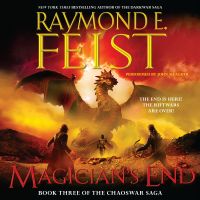
Magician's EndRaymond E. Feist17h 5min4.4 (21.7K)$40 · $0.00
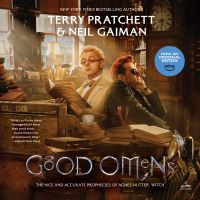
Good OmensNeil Gaiman, Terry Pratchett12h 14min4.4 (1M)$29 · $0.00

The Emperor's FistJay Allan8h 37min4.5 (272)$26 · $0.00
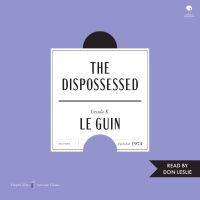
The DispossessedUrsula K. Le Guin13h 26min4.4 (189.3K)$33 · $0.00
1984George Orwell11h 31min4.3 (6.2M)$1.20 · $0.00

Lost ValleyWalt Browning7h 47min4.3 (5.4K)$20 · $0.00

AgincourtBernard Cornwell16h 18min4.3 (41.4K)$40 · $0.00

Frankenstein (The Uncensored 1818 Edition) (Annotated)Mary Shelley9h 9min4.3 (1.7M)$3 · $0.00

The World Wasn't Ready for YouJustin C. Key11h 34min4.4 (812)$5 · $0.00
Demon CopperheadBarbara Kingsolver21h 3min4.5 (949.4K)$46 · $0.00

To Kill a MockingbirdHarper Lee12h 18min4.5 (7.4M)$29 · $0.00

These Precious DaysAnn Patchett11h 14min4.5 (45.2K)$29 · $0.00

The Gulag Archipelago Volume 3Aleksandr I. Solzhenitsyn21h 56min4.7 (8.9K)$46 · $0.00

This Side of Paradise - The Original 1920 Edition (Annotated)F. Scott Fitzgerald11h 30min4.6 (1.6K)$2 · $0.00
The Great Gatsby: Original 1925 Edition (An F. Scott Fitzgerald Classic NovelFrancis Scott Fitzgerald4h 45min4.6 (9.3K)$15 · $0.00
Your Faith Is Your FortuneNeville Goddard, Ale.mar.sas3h 43min4.6 (6K)$4.50 · $0.00
TWELFTH NIGHTWilliam Shakespeare, Sidney Lee16h 38min4.6 (2.8K)$1.99 · $0.00

The Complete Histories / History Plays of William Shakespeare (Annotated)William Shakespeare29h 42min4.6 (2.3K)$1.99 · $0.00
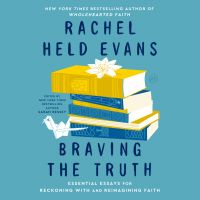
Braving the TruthRachel Held Evans11h 31min4.7 (359)$29 · $0.00

The Old Man and the Sea (Annotated)Ernest Hemingway4h 27min4.6 (1.4K)$2 · $0.00
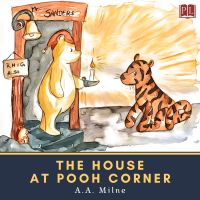
The House at Pooh CornerAlan Alexander Milne2h 44min4.5 (107.8K)$4 · $0.00

Henry V (The Play, Historical Background and Analysis of the Character in the Play)William Shakespeare, William Hazlitt8h 50min4.6 (1.3K)$1.99 · $0.00
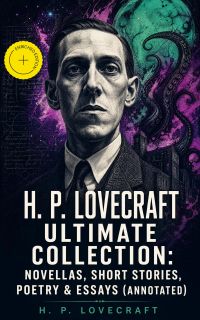
H. P. LOVECRAFT Ultimate Collection: Novellas, Short Stories, Poetry & Essays (Annotated)H. P. Lovecraft12h 28min4.6 (2.3K)$2 · $0.00
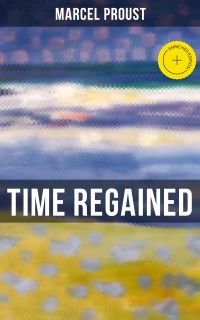
Time RegainedMarcel Proust16h 8min4.5 (10.6K)$1.99 · $0.00
The Mis-Education of the NegroCarter Goodwin Woodson4h 32min4.5 (28.4K)$10 · $0.00

TORAH - Bilingual Edition: English/Hebrew (Annotated)Max Margolis, JPS28h 26min4.6 (1K)$2 · $0.00

Betty Crocker picture cooky bookBetty Crocker, Inc. General Mills2h 13min4.5 (6.5K)$1 · $0.00

The Complete Tales of Beatrix PotterBeatrix Potter3h 36min4.5 (75K)$3 · $0.00

Anne of Green GablesL. M. Montgomery11h 1min4.5 (1.2M)$2.30 · $0.00
Você também pode gostar
The Greatest Adventure Books of All Time - Jules Verne Collection (Annotated)Jules Verne331h 22min4.6 (1.3K)$1.99 · $0.00
The Moon-VoyageJules Verne12h 38min3.8 (39.9K)$2 · $0.00
The First Men in the MoonH. G. Wells7h 33min3.8 (23.7K)$2.30
From the Earth to the Moon; and, Round the MoonJules Verne10h 47min4.0 (19.3K)$2.30

All Around the MoonJules Verne11h 20min3.8 (9.5K)$2.30 · $0.00
All Around The MoonJules Verne11h 32min3.7 (9.3K)$2.30
All Around the MoonJules Verne11h 22min3.6 (6.8K)$2
Falling UpwardsSir Richard Holmes13h 34min3.9 (1.5K)$23 · $0.00
All Around the MoonJules Verne11h 27min3.8 (10K)$1.20 · $0.00
The First Men in the MoonH. G. Wells7h 41min3.8 (26.8K)$1.20 · $0.00

The Moon-VoyageJules Verne12h 41min3.8 (40.4K)$2.30 · $0.00
The Moon-VoyageJules Verne12h 43min3.8 (62.4K)$2
Adrift in Pacific and Other Adventure Tales – 17 Books in One Volume (Illustrated) (Annotated)Jules Verne139h 33min4.4 (141)$2 · $0.00
Across the Zodiac (Annotated)Percy Greg18h 16min4.1 (11)$2.99 · $0.00
Pioneers Of Space A Trip to The Moon, Mars, and VenusGeorge Adamski7h 38min4.2 (47)$2.30

60 Space Sci-Fi BooksJules Verne, Percy Greg, David Lindsay, Edward Everett Hale, John Jacob Astor, Murray Leinster, H. Beam Piper, Frederik Pohl, Fritz Leiber, Irving E. Cox, Philip K. Dick, Richard Stockham, H. G. Wells, E. E. Smith, Edwin Lester Arnold, Gustavus W. Pope311h 15min4.0 (54)$2 · $0.00
The Essential Jules Verne (5 Must Read Classics in One Edition)Jules Verne59h 15min$1.99 · $0.00
20 Sci-Fi Adventure NovelsEdwin Lester Linden Arnold, Jules Verne, John Ames Mitchell, John Munro, Robert W. Chambers, Guy Thorne, David Franklin Powell, George Allan England, Garrett Putman Serviss, Mrs. Loudon, Charles B. Stilson, Charles Willing Beale, Luis Senarens, George Chetwynd Griffith, William Le Queux, Edgar Allan Poe, Charles Romyn Dake184h 48min4.1 (18)$1.99
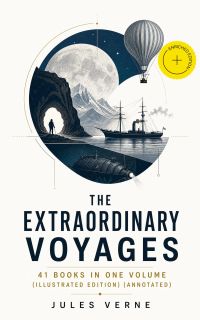
The Extraordinary Voyages: 41 Books in One Volume (Illustrated Edition) (Annotated)Jules Verne385h 6min$2 · $0.00
The Log of the Flying FishHarry Collingwood11h 49min3.2 (24)$2 · $0.00