
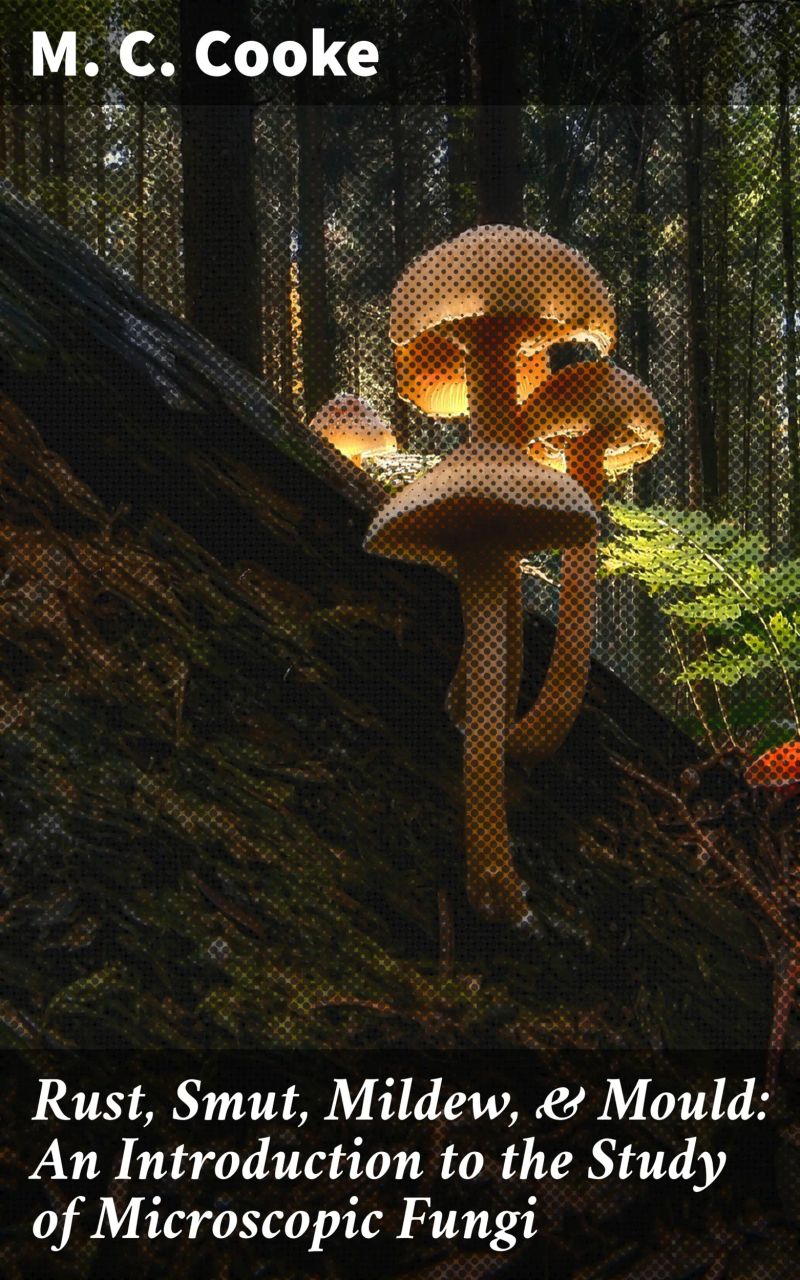
Rust, Smut, Mildew, & Mould: An Introduction to the Study of Microscopic Fungi
Exploring the World of Microscopic FungiDe M. C. Cooke

Duração7h 20m
Sobre este audiolivro
In "Rust, Smut, Mildew, & Mould: An Introduction to the Study of Microscopic Fungi," M. C. Cooke presents a meticulously crafted exploration of the often-overlooked realm of fungi. This scholarly text combines a rich descriptive narrative with detailed observations of various fungal species, employing a systematic approach that situates microscopic fungi within their ecological context. Cooke's literary style is both accessible and engaging, effectively bridging the gap between scientific rigor and general readability. The book engages with contemporary fungal research while also revisiting classical scientific frameworks, thus highlighting the evolutionary significance and ecological roles of these organisms. M. C. Cooke, a renowned mycologist with extensive fieldwork experience, draws upon a diverse background in microbiology and environmental science. His passion for the microscopic world is reflected in his thorough methodology and keen observational skills. Cooke's prior works have established him as an authority in mycology, and his insights into environmental impacts on fungal life inform the discussions presented in this text, making it a significant addition to the field. This book is highly recommended for both budding mycologists and seasoned researchers alike, as it offers a foundational understanding of microscopic fungi while inspiring curiosity about their ecological roles. Cooke'Äôs passion for fungi encourages readers to appreciate the often-neglected yet vital components of our ecosystems, making it an indispensable resource for anyone interested in the biological sciences.
Detalhes do audiolivro
Avaliação★★★★ 4,2 (16)
Inclui Amazon, Goodreads
GêneroScience and Nature
Duração7 h 20 min
Narrado porOuça com mais de 1.000 vozes
FormatoeBook com áudio
Data de publicação5 de nov. de 2021
IdiomaInglês
Sumário
1Introduction
26Gymnosporangium, DC.
2CHAPTER II. SPERMOGONES.
27PODISOMA, Lk.
3CHAPTER III. DI-MORPHISM.
28CÆOMACEI.
4CHAPTER IV. MILDEW AND BRAND.
29Tilletia, Tul.
5CHAPTER V. COMPLEX BRANDS.
30Ustilago, Link.
Mostrar todos os capítulosVer menos
6CHAPTER VI. SMUTS.
31Uredo, Lév.
7CHAPTER VII. COMPLEX SMUTS.
32Lecythea, Lév.
8CHAPTER VIII. RUSTS.
33Trichobasis, Lév.
9CHAPTER IX. RUSTS.
34Uromyces, Lév.
10CHAPTER X. WHITE RUSTS.
35Polycystis, Lév.
11CHAPTER XI. MOULDS.
36Tuburcinia, Fr.
12CHAPTER XII. WHITE MILDEWS OR BLIGHTS.
37Coleosporium, Lév.
13CHAPTER XIII. SUGGESTIONS.
38Melampsora, Cast.
14APPENDIX A.
39Cystopus.
15ÆCIDIACEI.
40PERONOSPOREI, De By.
16Rœstelia, Reb.
41Erysiphei.
17Peridermium, Chev.
42Sphærotheca, Lév.
18Æcidium, Pers.
43Phyllactinia, Lév.
19Sect. II. Peridia in tufts or clusters.
44Uncinula, Lév.
20Endophyllum, Lév.
45Microsphæria, Lév.
21PUCCINIÆI.
46Erysiphe, Hedw.
22Xenodochus, Schl.
47Chætomium, Kze.
23Aregma, Fr.
48Ascotricha, Berk.
24Triphragmium, Lk.
49Eurotium, Link.
25Puccinia, Pers.
50APPENDIX B.: Podosphæra, Kunze.
Mais de M. C. Cooke

A Brief History of IntelligenceMax S. Bennett12h 18min4.6 (6.6K)$29 · $0.00
The Story of BirdsSteve Brusatte11h 49min4.6 (401)$29 · $0.00

My Life Among the UnderdogsTia Torres5h 51min4.5 (4K)$24 · $0.00

What It Takes to Save a LifeKwane Stewart6h4.6 (556)$24 · $0.00
Pastoral SongJames Rebanks8h 35min4.5 (12K)$26 · $0.00
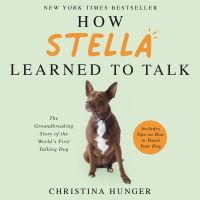
How Stella Learned to TalkChristina Hunger7h4.5 (10.9K)$24 · $0.00

Craig & FredCraig Grossi8h 6min4.5 (9.6K)$26 · $0.00
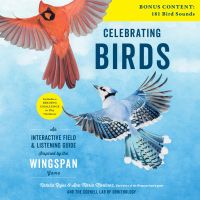
Celebrating BirdsNatalia Rojas, Ana Maria Martinez6h 47min4.6 (330)$24 · $0.00

Saving JemimaJulie Zickefoose4h 59min4.5 (749)$20 · $0.00

Will's Red CoatTom Ryan8h 23min4.5 (2.3K)$26 · $0.00
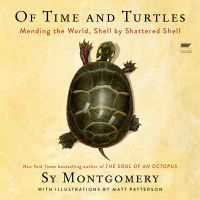
Of Time and TurtlesSy Montgomery10h 34min4.5 (5K)$29 · $0.00
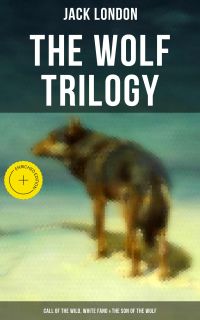
THE WOLF TRILOGY: Call of the Wild, White Fang & The Son of the WolfJack London17h 31min4.5 (2.4K)$1.99 · $0.00

Zen and the Art of Saving the PlanetThich Nhat Hanh9h 20min4.5 (3.9K)$29 · $0.00
BLACK BEAUTY (With Original Illustrations)Anna Sewell7h 31min4.5 (1.3K)$1.99 · $0.00
Bottle of LiesKatherine Eban14h 25min4.4 (12K)$33 · $0.00
IngrainedCallum Robinson8h 10min4.5 (1.1K)$26 · $0.00

The Lion Tracker's Guide To LifeBoyd Varty3h 1min4.4 (4.8K)$18 · $0.00

Born for LoveBruce D. Perry, Maia Szalavitz11h 42min4.4 (4K)$29 · $0.00
The Mountains of California (With Original Drawings & Photographs) (Annotated)John Muir11h 35min4.5 (1.1K)$2 · $0.00

The New GuysMeredith Bagby16h 50min4.4 (1.2K)$40 · $0.00
Você também pode gostar
A SHORT HISTORY OF THE WORLDH. G. Wells13h 43min4.0 (4.4K)$1.99 · $0.00
Leonardo da Vinci: Thoughts on Art & Life (Annotated)Leonardo da Vinci6h 32min4.1 (823)$1.99 · $0.00

Life on the MississippiMark Twain15h 28min4.0 (73.2K)$2
The Mining Handbook: 5 Classic Books on Mining Operations and ManagementArthur J. Hoskin, William H. Storms, Harold W. Fairbanks, Charles A. Bramble, Herbert Hoover31h 43min4.4 (11)$1.99 · $0.00
Bee Lore: 7 Classic Books on the World of BeesDana Brackenridge Casteel, François Huber, William Edward Shuckard, Tickner Edwardes, Everett Franklin Phillips, Geo. S. Demuth, Burton N. Gates28h 39min$1.99 · $0.00

Cake Decorating With Buttercream Flowers A Complete Step-by-step Guide To Placing Flowers On Cake Icing And Taking The Art Of Cake Decorating To New Heights.Jideon Francisco Marques3h 43min$13 · $0.00

Englisch lernen Audio - Das perfekte WochenendeSpotlight Verlag1h 2min$14
An Introduction To The Study Of FishesAlbert Carl Ludwig Gotthilf Günther22h 25min$2.40
RosesPierre-Joseph Redouté, Claude Antoine Thory1h 50min4.5 (94)$15 · $0.00

Spain (Annotated)Wentworth Webster5h 44min$2 · $0.00
The Ornithologist's Archive: 35 Classic Books in Bird StudiesFrank M. Chapman, Thomas Bingley, Edmund Selous, Joseph Grinnell, Elizabeth Grinnell, J. Lewis Bonhote, Charles K. Reed, Harrison Bruce Tordoff, Chester A. Reed, Lionel Walter Rothschild Baron Rothschild, W. H. Hudson, Erwin E. Klaas, Charles Dixon, Emil K. Urban, Frederick Charles Lincoln, Steven R. Peterson, Peter A. Anastasi, P. M. C. Kermode, J. A. Harvie-Brown, John Cordeaux, M. Dale Arvey, Edward Harrison Taylor, Henry Higgins Lane, E. Raymond Hall, Henry S. Fitch, Jr. George H. Lowery, Alexander Goodman More, Richard Manliffe Barrington, James W. Bee, John Albert Leach, T. Gilbert Pearson, Leander S. Keyser, Robert L. Merz, Robert Morrow Mengel, Jon C. Barlow, Douglas Dewar, Jack Miner, Austin Loomer Rand, Rollin H. Baker168h 47min$1.99 · $0.00
The Geographical Distribution of AnimalsAlfred Russel Wallace42h 20min4.2 (132)$1.99 · $0.00
The mathematics of everydayAnabelle Castro-Castro, Alejandra León-Castellá, Margot Martínez-Rodríguez, Manuel Murillo-Tsijli, Alberto Soto-Aguilar4h 14min$12 · $0.00
Woodworking: How to Make Six Figures Selling Your Wood Crafts and Projects (Master Essential Tools, Refined Joinery, Creative Techniques, and Beautiful Finishing for Exceptional Handmade Projects)Shawn Hooper1h 29min$3.50 · $0.00
Views of Nature – Contemplations on the Sublime Phenomena of Creation with Scientific Illustrations (Annotated)Alexander von Humboldt21h 50min4.2 (19)$2 · $0.00
The Bird Study BookThomas Gilbert Pearson3h 59min$16 · $0.00
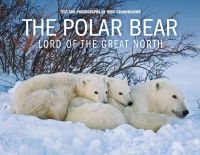
The Polar BearMichel Grandmaison26min4.5 (10)$17

European River Cruise Travel GuideStefan Winterberg2h 45min$11 · $0.00
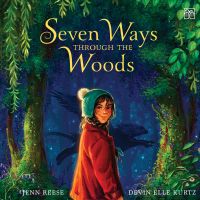
Seven Ways Through the WoodsJenn Reese6min4.4 (201)$4 · $0.00

Travels in Virginia in Revolutionary TimesAlfred J. Morrison3h 35min$2.30