

Our New Neighbors At Ponkapog
Captivating tales of small-town life and human connection in Ponkapog VillageDe Thomas Bailey Aldrich


Duração12m
Sobre este audiolivro
In "Our New Neighbors At Ponkapog," Thomas Bailey Aldrich crafts a vivid narrative that deftly captures the subtleties of 19th-century American social dynamics. Set in the fictional locale of Ponkapog, the novella presents a tapestry of characters that reflect the tensions and affinities between established and new residents. Aldrich employs a rich, descriptive prose style layered with irony and humor, embodying the literary realism of his time. The novel serves as both a social commentary and an exploration of the evolving American identity during a period of significant change and migration, revealing a microcosmic view of broader societal shifts. As a prominent figure in American literature, Aldrich's Ohio roots and experiences as a New England resident shaped his worldview and narrative style. His works often reflect a keen observation of human nature and society, influenced by the transitional era he lived in. Notably, Aldrich was also an editor and poet, a background that enriched his ability to represent characters with depth and empathy, making keen observations that resonate with contemporary readers. Readers who appreciate a nuanced examination of societal interactions will find "Our New Neighbors At Ponkapog" rewarding. Aldrich'Äôs skillful blend of humor and critical insight invites reflection on the intricacies of community and belonging, making it a timeless exploration of human relationships. This novella is recommended for anyone interested in American literature's evolution and those seeking an engaging story enriched with historical context.
Detalhes do audiolivro
Avaliação★★★★ 3,5 (10)
Inclui Goodreads
GêneroGeneral Fiction
Duração12 min
Narrado porOuça com mais de 1.000 vozes
FormatoeBook com áudio
Data de publicação16 de mar. de 2020
IdiomaInglês
Sumário
1Introduction
2Boston And New York Houghton Mifflin Company: Copyright, 1873, 1885, and 1901
Mais de Thomas Bailey Aldrich

The Stillwater Tragedy (Mystery Classics Series)Thomas Bailey Aldrich8h 15min3.6 (80)$1.99 · $0.00

The Stillwater TragedyThomas Bailey Aldrich5h 58min3.5 (224)$16 · $0.00

The Stillwater Tragedy (Annotated)Thomas Bailey Aldrich8h 13min$2 · $0.00
A Struggle For LifeThomas Bailey Aldrich26min$2 · $0.00

Mademoiselle Olympe ZabriskiThomas Bailey Aldrich0min$2 · $0.00
A Rivermouth RomanceThomas Bailey Aldrich15min$2 · $0.00

Daisy's Necklace, and What Came of ItThomas Bailey Aldrich3h 30min$2 · $0.00

An Old Town By the SeaThomas Bailey Aldrich2h 7min$2 · $0.00

The Cruise of the DolphinThomas Bailey Aldrich29min$2 · $0.00
Quite SoThomas Bailey Aldrich0min$1 · $0.00

Marjorie DawThomas Bailey Aldrich1h 32min3.6 (90)$2 · $0.00
The Story of a Bad BoyThomas Bailey Aldrich6h 3min3.7 (1.7K)$2 · $0.00

The Story of a Bad Boy (Annotated)Thomas Bailey Aldrich7h 5min3.9 (331)$2 · $0.00

The Story of a Bad Boy (Children's Book)Thomas Bailey Aldrich7h 6min4.2 (2K)$1.99 · $0.00

Pastoral Life and Moral Dilemmas – 3 Classic Countryside TalesThomas Bailey Aldrich, George Sand, R. D. Blackmore22h 8min$2

WhistlerAnn Patchett10h 45min4.6 (4.6K)$29 · $0.00
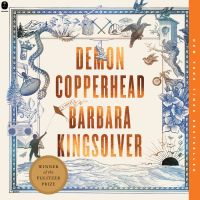
Demon CopperheadBarbara Kingsolver21h 3min4.5 (949.4K)$46 · $0.00

To Kill a MockingbirdHarper Lee12h 18min4.5 (7.4M)$29 · $0.00
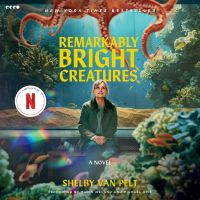
Remarkably Bright CreaturesShelby Van Pelt11h 17min4.4 (1.7M)$29 · $0.00

The Old Man and the Sea (Annotated)Ernest Hemingway4h 27min4.6 (1.4K)$2 · $0.00
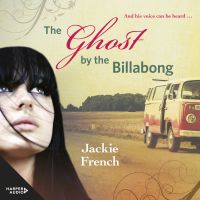
The Ghost by the Billabong (The Matilda Saga, #5)Jackie French14h 58min4.6 (773)$33 · $0.00
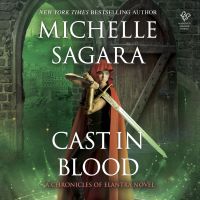
Cast in BloodMichelle Sagara16h 35min4.6 (607)$33 · $0.00
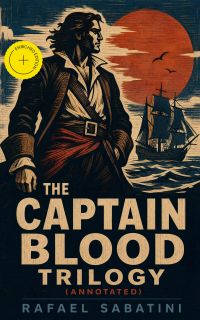
The Captain Blood Trilogy (Annotated)Rafael Sabatini29h 20min4.6 (1K)$3 · $0.00
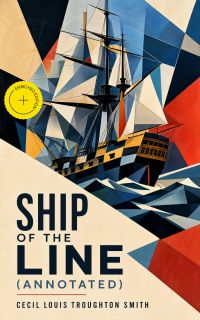
Ship of the Line (Annotated)Cecil Louis Troughton Smith11h 13min4.6 (1K)$2 · $0.00

The George Orwell CollectionGeorge Orwell24h 46min4.5 (14.4K)$10 · $0.00

ShivajiRanjit Desai25h 13min4.6 (3.1K)$24 · $0.00
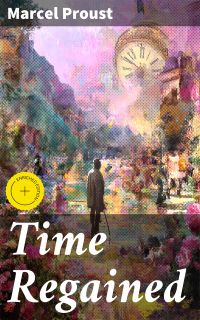
Time RegainedMarcel Proust15h 38min4.5 (9.2K)$2 · $0.00

Driving ForceElle James4h 58min4.6 (407)$20 · $0.00

When God Calls the HeartBrian Bird, Michelle Cox3h 24min4.6 (439)$10 · $0.00

Five Little IndiansMichelle Good10h 34min4.5 (64.5K)$29 · $0.00
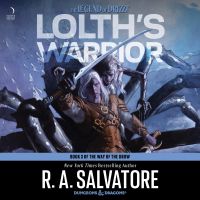
Lolth's WarriorR. A. Salvatore13h 20min4.6 (2.4K)$33 · $0.00
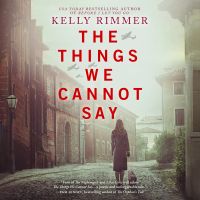
The Things We Cannot SayKelly Rimmer13h 48min4.5 (359.1K)$33 · $0.00

The Love Songs of W.E.B. Du BoisHonoree Fanonne Jeffers29h 49min4.5 (58K)$8 · $0.00
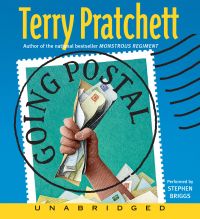
Going PostalTerry Pratchett11h 23min4.5 (189.9K)$29 · $0.00

Glen AffricKarine Giebel22h 51min4.5 (3.2K)$46 · $0.00
Você também pode gostar
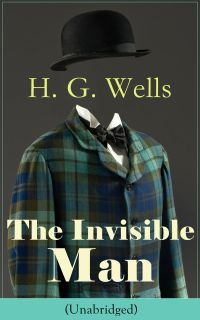
The Invisible Man (Unabridged)H. G. Wells5h 37min3.8 (262.3K)$2 · $0.00
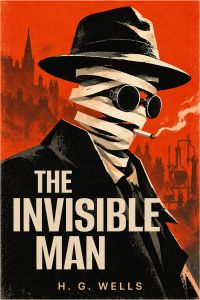
The Invisible ManH. G. Wells5h 5min3.8 (274.7K)Grátis

The Invisible Man (Complete Edition)H. G. Wells5h 36min3.8 (231.9K)$2 · $0.00
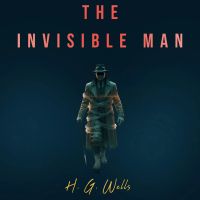
The Invisible ManH. G. Wells4h 59min3.8 (260.5K)$6 · $0.00
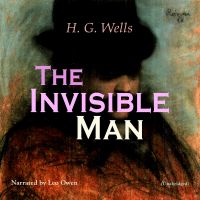
The Invisible ManH. G. Wells4h 51min3.8 (249.4K)$6 · $0.00
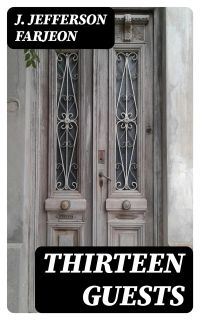
Thirteen GuestsJ. Jefferson Farjeon9h 4min3.7 (2.7K)$2 · $0.00
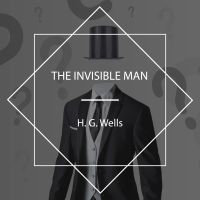
The Invisible ManH.G. Wells5h3.8 (223.7K)$12 · $0.00
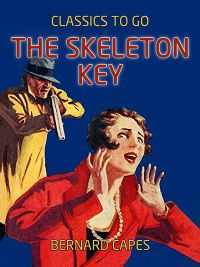
The Skeleton KeyBernard Capes7h 21min3.6 (1.6K)$2.30
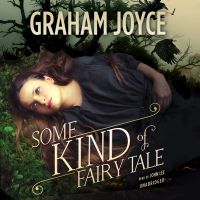
Some Kind of Fairy TaleGraham Joyce9h 57min3.8 (11.4K)$25
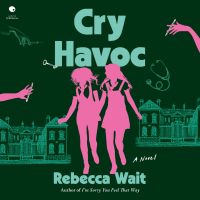
Cry HavocRebecca Wait12h 24min3.7 (1.3K)$29 · $0.00

In a German PensionKatherine Mansfield3h 47min3.8 (1.9K)$20
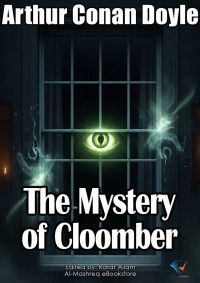
The Mystery of CloomberArthur Conan Doyle5h 18min3.5 (1.5K)$7 · $0.00
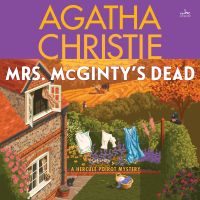
Mrs. McGinty's DeadAgatha Christie6h 8min4.0 (49.7K)$24 · $0.00
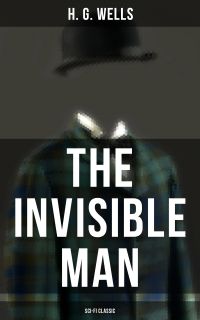
The Invisible Man (Sci-Fi Classic)H. G. Wells5h 41min3.8 (264.4K)$1.99 · $0.00

Damsels in DistressJoan Hess12h 2min3.9 (1.2K)$30

The Widow NashJamie Harrison13h 40min3.8 (2.4K)$20

Leave No Scone UnturnedDenise Swanson7h 18min4.1 (3.2K)$20
The Doings of Raffles HawSir Arthur Conan Doyle3h 36min$15 · $0.00

Mrs. HarterE. M. Delafield6h 42min3.6 (70)$2.40
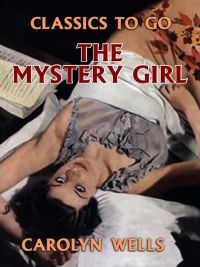
The Mystery GirlCarolyn Wells7h 20min3.5 (77)$2.30