
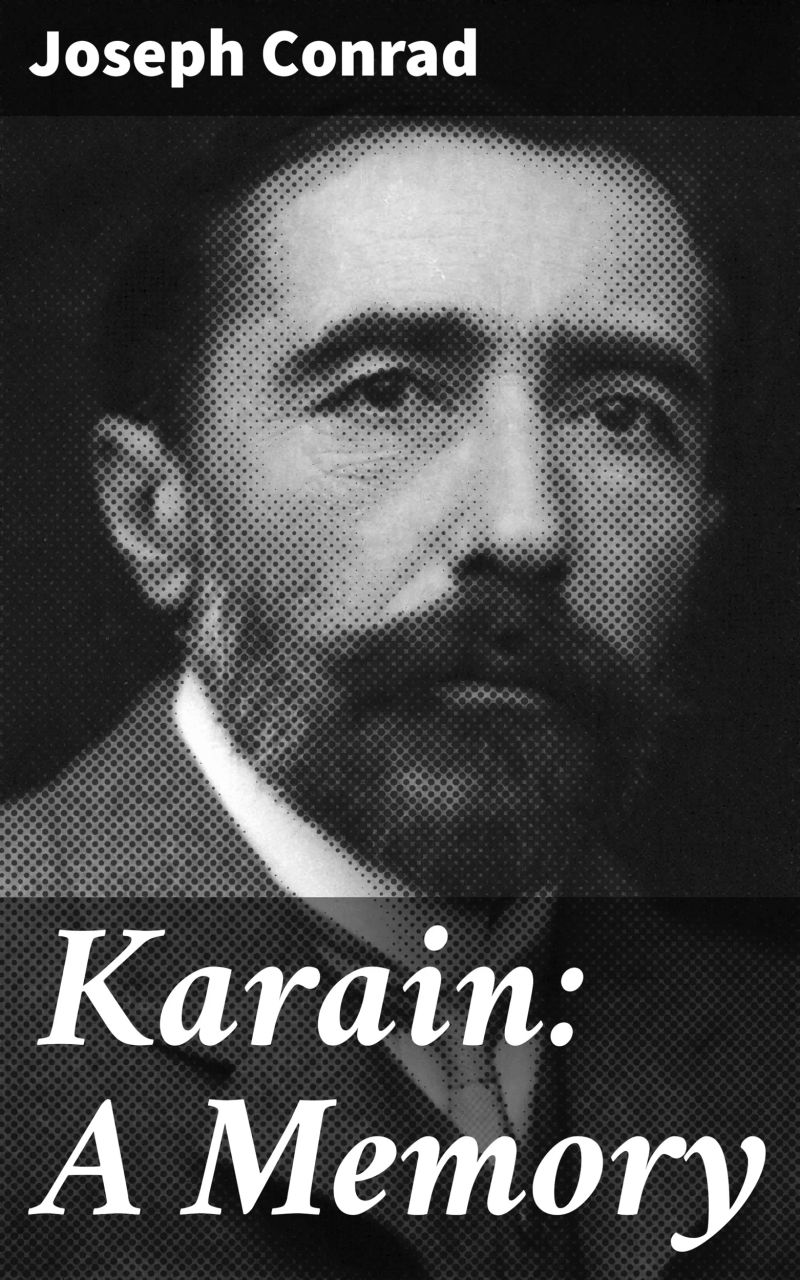
Karain: A Memory
Exploring the Depths of Identity and ImperialismDe Joseph Conrad


Duração1h 41m
Sobre este audiolivro
In "Karain: A Memory," Joseph Conrad masterfully weaves a tapestry of adventure and personal reflection against the backdrop of the exotic Malay Archipelago. The narrative is presented through the fragmented recollections of its protagonist, Karain, a figure caught between civilization and the primal forces of the jungle. Conrad's hallmark style'Äîmarked by rich, evocative prose and a contemplative tone'Äîprovides readers with a profound exploration of identity, cultural dislocation, and the haunting specter of colonialism. The story serves as both a personal memoir and a broader commentary on the human condition, reflective of the late 19th-century literary context that grappled with the implications of empire and modernity. Joseph Conrad, a Polish-British writer, drew heavily from his own experiences at sea and in colonial locales, often depicting characters faced with moral dilemmas and existential crises. "Karain: A Memory" reflects his deep engagement with the themes of isolation and introspection, inspired by his travels in Southeast Asia. This narrative is particularly significant within Conrad'Äôs oeuvre, foreshadowing his later, more celebrated works such as "Heart of Darkness." I highly recommend "Karain: A Memory" to readers interested in sophisticated explorations of culture and humanity. Conrad's unique narrative style and profound insights will resonate with anyone seeking to delve into the complexities of identity and the lasting impact of colonialism. This book stands as a vital piece of literature that invites both reflection and critical inquiry.
Detalhes do audiolivro
Avaliação★★★★ 3,7 (154)
Inclui Goodreads, LibraryThing, StoryGraph, Amazon
GêneroGeneral Fiction, Mystery and Thriller
Duração1 h 41 min
Narrado porOuça com mais de 1.000 vozes
FormatoeBook com áudio
Data de publicação11 de abr. de 2021
IdiomaInglês
Sumário
1Introduction
5Chapter IV
2Chapter I
6Chapter V
3Chapter II
7Chapter VI
4Chapter III

Das Herz der FinsternisJoseph Conrad4h 33min3.7 (490.5K)$1 · $0.00
Gesammelte Werke: Romane + ErzählungenJoseph Conrad77h 48min4.4 (112)$1 · $0.00
Das Herz der FinsternisJoseph Conrad6h 4min3.7 (640.4K)$1 · $0.00
Gesammelte Werke von Joseph ConradJoseph Conrad77h 53min4.4 (248)$2.50 · $0.00
Der Geheimagent (Politkrimi)Joseph Conrad11h 28min3.8 (76.9K)$1 · $0.00
Lord JimJoseph Conrad16h 44min3.8 (47.7K)$1.50 · $0.00
Das Herz der Finsternis (Zweisprachige Ausgabe: Deutsch-Englisch)Joseph Conrad5h 27min3.7 (2.4K)$1 · $0.00
Gesammelte Werke: Romane + ErzählungenJoseph Conrad77h 59min4.4 (11)$1 · $0.00

Das Herz der Finsternis / Heart of Darkness - Zweisprachige Ausgabe (Deutsch-Englisch)Joseph Conrad5h 38min3.7 (1.1M)$1 · $0.00
The End Of The TetherJoseph Conrad5h 15min3.9 (911)$12 · $0.00

Das Herz der FinsternisJoseph Conrad4h 47min3.7 (645.3K)$18 · $0.00
Under Western EyesJoseph Conrad11h 14min3.9 (6.8K)$12 · $0.00
Triple Adventures: Die Joseph-Conrad-Abenteuer-Hörbuch-BoxJoseph Conrad15h 42min$27 · $0.00
A Set of SixJoseph Conrad8h 21min3.8 (445)$12 · $0.00
Tales of UnrestJoseph Conrad6h 33min3.8 (1.3K)$12 · $0.00
The Secret AgentJoseph Conrad11h 46min3.7 (33.7K)$1.99 · $0.00
NOSTROMO: A TALE OF THE SEABOARDJoseph Conrad42h 46min3.9 (24.8K)$1.99 · $0.00
Gesammelte Werke von Joseph ConradJoseph Conrad78h 7min4.4 (124)$1 · $0.00
Die Politthriller von Joseph ConradJoseph Conrad45h 39min4.6 (18)$1 · $0.00
Der Geheimagent (Politkrimi)Joseph Conrad11h 40min3.6 (57.5K)$1 · $0.00
WhistlerAnn Patchett10h 45min4.6 (4.6K)$29 · $0.00
Demon CopperheadBarbara Kingsolver21h 3min4.5 (949.4K)$46 · $0.00
To Kill a MockingbirdHarper Lee12h 18min4.5 (7.4M)$29 · $0.00
Remarkably Bright CreaturesShelby Van Pelt11h 17min4.4 (1.7M)$29 · $0.00
War LordBernard Cornwell13h 21min4.6 (33.1K)$33 · $0.00
The Great Gatsby: Original 1925 Edition (An F. Scott Fitzgerald Classic NovelFrancis Scott Fitzgerald4h 45min4.6 (9.3K)$15 · $0.00
Something Like LoveBeverly Jenkins10h 21min4.6 (2.7K)$29 · $0.00
Black History CollectionFrederick Douglass, Harriet Ann Jacobs, Booker T. Washington, W.E.B. Du Bois27h 9min4.6 (2.6K)$15 · $0.00
The Old Man and the Sea (Annotated)Ernest Hemingway4h 27min4.6 (1.4K)$2 · $0.00
The Ghost by the Billabong (The Matilda Saga, #5)Jackie French14h 58min4.6 (773)$33 · $0.00
Cast in BloodMichelle Sagara16h 35min4.6 (607)$33 · $0.00
The Captain Blood Trilogy (Annotated)Rafael Sabatini29h 20min4.6 (1K)$3 · $0.00
Ship of the Line (Annotated)Cecil Louis Troughton Smith11h 13min4.6 (1K)$2 · $0.00
The George Orwell CollectionGeorge Orwell24h 46min4.5 (14.4K)$10 · $0.00
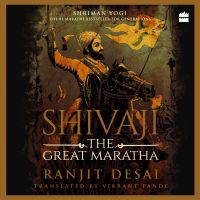
ShivajiRanjit Desai25h 13min4.6 (3.1K)$24 · $0.00
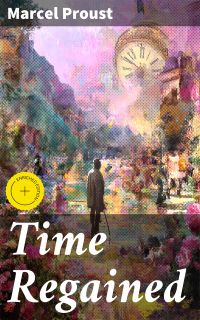
Time RegainedMarcel Proust15h 38min4.5 (9.2K)$2 · $0.00
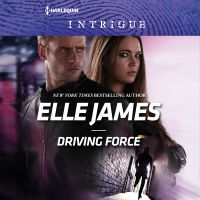
Driving ForceElle James4h 58min4.6 (407)$20 · $0.00

When God Calls the HeartBrian Bird, Michelle Cox3h 24min4.6 (439)$10 · $0.00
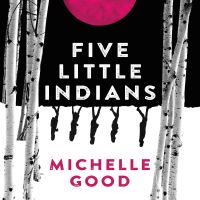
Five Little IndiansMichelle Good10h 34min4.5 (64.5K)$29 · $0.00
Lolth's WarriorR. A. Salvatore13h 20min4.6 (2.4K)$33 · $0.00
Remarkably Bright CreaturesShelby Van Pelt11h 17min4.4 (1.7M)$29 · $0.00

To Hold and ProtectSandra Owens7h 59min4.6 (1.1K)$8 · $0.00
The Adventures of Sherlock Holmes (Complete Edition)Arthur Conan Doyle12h 41min4.6 (286.7K)$1.99 · $0.00
Farewell My Lovely (Annotated)Raymond Chandler10h 37min4.6 (1.2K)$2 · $0.00
The Labyrinth of the SpiritsCarlos Ruiz Zafon27h 55min4.5 (77.2K)$53 · $0.00

Olympic Mountain PursuitJodie Bailey5h 55min4.6 (638)$12 · $0.00

Glen AffricKarine Giebel22h 51min4.5 (3.2K)$46 · $0.00

Deadly Badlands PursuitSharee Stover5h 53min4.6 (361)$12 · $0.00
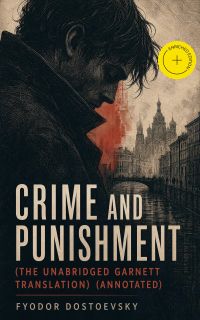
Crime and Punishment (The Unabridged Garnett Translation) (Annotated)Fyodor Dostoevsky24h 25min4.5 (15.4K)$1.99 · $0.00
The BorderDon Winslow29h 8min4.5 (35.7K)$53 · $0.00
FlashpointCatherine Coulter11h 38min4.5 (11.6K)$29 · $0.00
Tracking Stolen SecretsLaura Scott5h 37min4.5 (2.2K)$12 · $0.00
The Gothic Works of Edgar Allan Poe (Illustrated Edition)Edgar Allan Poe21h 5min4.5 (2.9K)$1.99 · $0.00
The Man in the Brown Suit & They Came to BaghdadAgatha Christie15h 43min4.6 (495)$33 · $0.00
Fang Si-Chi's First Love ParadiseYi-Han Lin8h 25min4.5 (4K)$26 · $0.00
The Rose CodeKate Quinn16h 2min4.4 (493.7K)$33 · $0.00
No Woman Left BehindJulie Moffett8h 49min4.5 (3K)$25 · $0.00

CovertJanie Crouch6h 15min4.5 (2K)$12 · $0.00
Cold Case InvestigationNicole Helm5h 30min4.6 (321)$5 · $0.00
The Lost Weekend (Annotated)Charles Jackson9h 46min4.5 (1K)$1.99 · $0.00
Você também pode gostar
THE RAVEN (Illustrated Edition)Edgar Allan Poe11h 42min4.4 (190.7K)$1.99 · $0.00
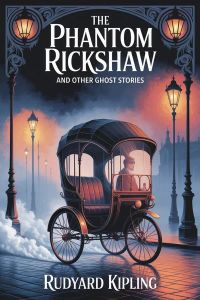
The Phantom 'Rickshaw, and Other Ghost StoriesRudyard Kipling4h 54min3.7 (1.1K)$2.30 · $0.00
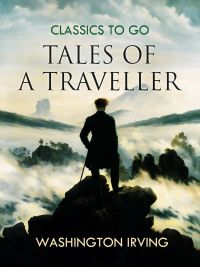
Tales of a TravellerWashington Irving12h 19min4.4 (1.3K)$2.30
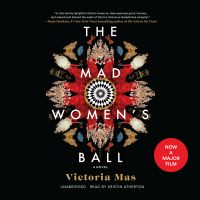
The Mad Women’s BallVictoria Mas7h 15min4.0 (46.5K)$17 · $0.00
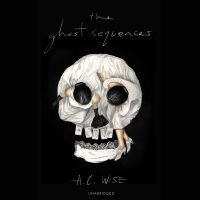
The Ghost SequencesA. C. Wise12h 17min4.1 (853)$23
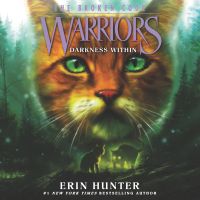
Warriors: The Broken Code #4: Darkness WithinErin Hunter8h 41min4.4 (7.2K)$26 · $0.00
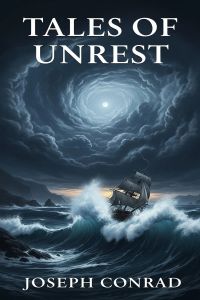
Tales of UnrestJoseph Conrad6h 38min3.8 (1.3K)$2
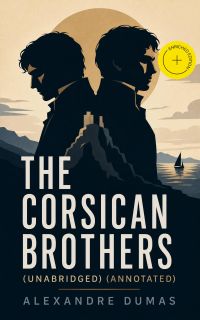
THE CORSICAN BROTHERS (Unabridged) (Annotated)Alexandre Dumas5h 2min3.8 (1.6K)$1.99 · $0.00
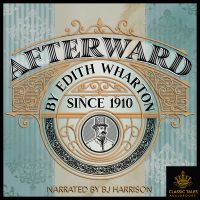
AfterwardEdith Wharton1h 18min3.8 (1.5K)$8 · $0.00
The Queen Of SpadesAleksandr Sergeevich Pushkin25min4.0 (19.3K)$2 · $0.00
A Stir of EchoesRichard Matheson6h 45min4.0 (16.7K)$14 · $0.00
The Old Nurse's StoryElizabeth Gaskell2h 19min3.9 (3.9K)$1 · $0.00
The Phantom RickshawRudyard Kipling55min3.3 (313)$5 · $0.00
Six Short Stories For Six Sleepless NightsBeatriz De Freitas, Camilla Fraga Dabrius, Carla Marinho, Caroline Corasa, Heitor Martho Rocha, Margarete Arantes1h 27min$5 · $0.00
The Phantom 'Rickshaw and Other Ghost StoriesRudyard Kipling4h 52min3.6 (779)$2.30
The Lady's WalkMrs. Oliphant4h 6min3.9 (267)$2
Collected StoriesBernard Capes2h 10min$2 · $0.00
Black Spirits and White: A Book of Ghost StoriesRalph Adams Cram3h 43min3.9 (291)$1 · $0.00
LostGregory Maguire11h 22min3.0 (16.6K)$29 · $0.00
The TreasureSelma Lagerlöf2h 33min3.5 (2.4K)$2 · $0.00