
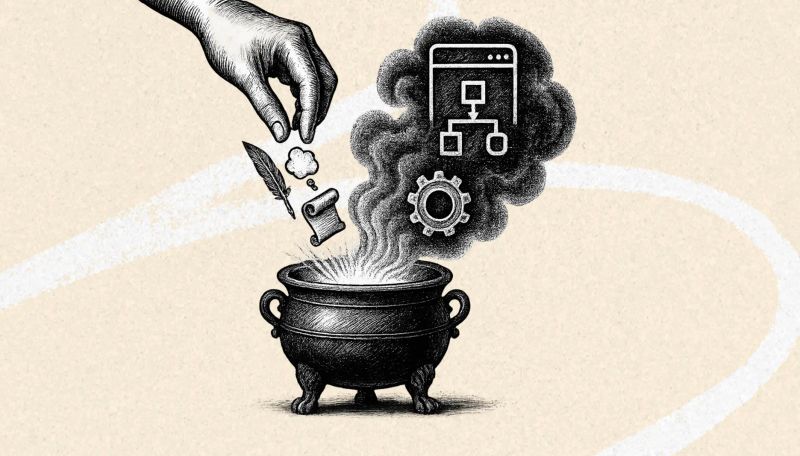
It’s Me, Hi. I’m the Vibe Coder.
De Katie Parrott / Working Overtime


Duração11m
Sobre este audiolivro
Was this newsletter forwarded to you?Sign upto get it in your inbox.I was taking a break one Saturday morning from building a workflow tool for Every when anX postabout “vibe coding” crossed my feed: "There is no consumer desire to 'make apps,'" the post proclaimed. "Vibe coding," it went on, only appeals to those already motivated to code "the old way.”Here I was, spending my sacred weekend hours vibe coding an app with no coding background—yet according to this tech observer, the 1,000 people who liked his post on X, and everyone who’s ever derisively posted that people should“learn to code,”I didn't exist.(Quick aside: “Vibe coding” is aterm coined byOpenAI founding team memberAndrej Karpathyto describe coding with AI-powered tools like Cursor that convert natural language instructions into working code. The idea is that you “fully give into the vibes… and forget the code even exists.”)It's flattering to imagine myself as this tech industry cryptid. But on a deeper level, the facile binary is irksome. Unfortunately it’s also fairly common in tech:technical versus non-technical. Builders versus users."Real" developersversus everyone else. These false dichotomies scared me off from coding as much as the code itself; after all, it’s hard to feel invited into a clubhouse that has a “no liberal arts grads allowed” sign out front.Even within tech’s walled garden, though, the binaries are beginning to blur. Venture capitalistsnow say they prefer“architect mindsets” and domain know-how over raw coding ability, crediting AI tools that let non-technical founders ship products.And then there are people like me, who aren’t chasing entry into the engineer club or a seven-figure seed round. We're writers, designers, business owners, and domain experts motivated by specific problems we deeply understand,empowered by AI toolsthat finallyspeak our language.Vibe coding hints at a future where software emerges from the inside out—from the people closest to the problems. As AI lowers the technical barrier, we may see more tools built by marketers, editors, researchers—anyone with deep context and a persistent itch to fix things.Here’s one vibe coding cryptid’s perspective on what vibe coding looks like from the inside, who it's for, and why people who subscribe to the traditional division between builders and users are missing what makes this moment unique.Who actually wants to build?The discourse surrounding vibe coding tends to polarize into two extremes: Either vibe coding willrevolutionize everythingand"everyone will be a developer,"or it's abrittleparlor trick—divertingat best anddisastrousat worst.Neither view is quite right. Vibe coding won't turn everyone into a full-stack engineer overnight, just as YouTube didn't turn everyone into a filmmaker. But neither is it just a toy for those who already write JavaScript in their sleep.Become apaid subscriber to Everyto unlock the rest of this piece and learn about:The advantages of being a non-coder who builds appsThree features of vibe coding tools that build confidence in "building"Real-world examples of vibe-coded apps in actionUpgrade to paidClick hereto read the full postWant the full text of all articles in RSS?Become a subscriber, orlearn more.
Detalhes do audiolivro
GêneroBusiness and Economics
Duração11 min
Narrado porOuça com mais de 1.000 vozes
FormatoeBook com áudio
Data de publicação1 de mai. de 2025
IdiomaInglês
Never Split the DifferenceChris Voss, Tahl Raz8h 7min4.4 (277.7K)$26 · $0.00
The Intelligent Investor Rev Ed.Benjamin Graham17h 48min4.3 (191.5K)$40 · $0.00
The Hard Thing About Hard ThingsBen Horowitz7h 57min4.2 (134.3K)$26 · $0.00
Boundaries for LeadersHenry Cloud7h 36min4.3 (3.6K)$26 · $0.00
Good to GreatJim Collins9h 59min4.1 (325.2K)$29 · $0.00
The Way of ExcellenceBrad Stulberg6h 46min4.2 (1.1K)$24 · $0.00

Trillion Dollar CoachEric Schmidt, Jonathan Rosenberg, Alan Eagle5h 40min4.1 (22.2K)$24 · $0.00
Be ExceptionalJoe Navarro, Toni Sciarra Poynter9h 11min4.0 (1.3K)$29 · $0.00
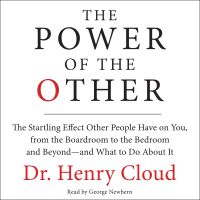
The Power of the OtherHenry Cloud5h 52min4.2 (3.5K)$24 · $0.00

Basic EconomicsThomas Sowell18h 32min4.5 (29.3K)$28 · $0.00

The Ambuja StoryNarotam Sekhsaria13h 59min4.5 (830)$33 · $0.00

The Secret Door to SuccessFlorence Scovel Shinn2h 25min4.5 (2.1K)$1.20 · $0.00

This Is Going to HurtAdam Kay5h 47min4.4 (444.7K)$24 · $0.00

Big TrustShadé Zahrai, Fayçal Sekkouah8h 36min4.6 (406)$26 · $0.00

The Intelligent Investor Third EditionBenjamin Graham, Jason Zweig20h4.4 (156.6K)$46 · $0.00

Bottle of LiesKatherine Eban14h 25min4.4 (12K)$33 · $0.00

The Antiracist Business BookTrudi Lebrón6h 10min4.6 (275)$17 · $0.00

The FormulaJoshua Robinson, Jonathan Clegg10h 41min4.4 (6.9K)$29 · $0.00

Let Them LeadJohn U. Bacon7h 10min4.5 (1.4K)$24 · $0.00

Secrets of the Millionaire MindT. Harv Eker5h 11min4.4 (301.4K)$24 · $0.00
Você também pode gostar
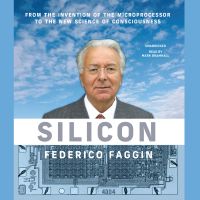
SiliconFederico Faggin9h 46min4.2 (376)$20
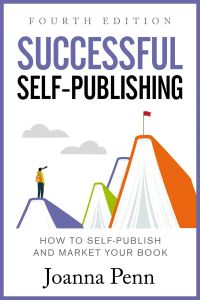
Successful Self-Publishing: How to Self-Publish and Market Your BookJoanna Penn3h 23min4.4 (2.9K) Só no Ultra

AutobiographyNikola Tesla4h 11min4.1 (26K)$2 · $0.00

Once Upon a Time We Ate AnimalsRoanne van Voorst7h 6min3.8 (1.6K)$24 · $0.00
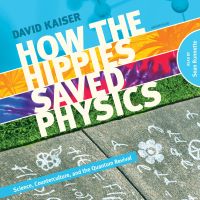
How the Hippies Saved PhysicsDavid Kaiser12h 2min3.8 (1.5K)$23

Democracy and Education: An Introduction to the Philosophy of EducationJohn Dewey15h 22min4.0 (6.6K)Grátis

The 4-Hour Workweek, Expanded and UpdatedTimothy Ferriss13h 1min3.9 (370.8K)$23
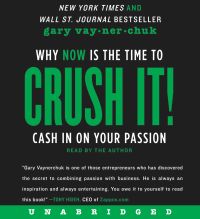
Crush It!Gary Vaynerchuk3h 41min4.0 (90.4K)$18 · $0.00
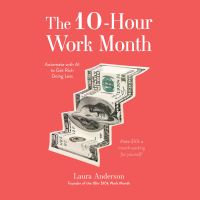
The 10-Hour Work MonthLaura Anderson6h 23min$23
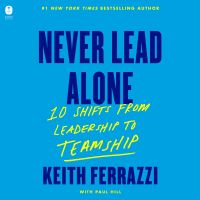
Never Lead AloneKeith Ferrazzi5h 39min3.8 (344)$24 · $0.00

BreakthroughDan Desmarques2h 35min5.0 (5) Só no Ultra

Work for YourselfHazel Morris2h 8min$9 · $0.00

Future YouFrances Valintine8h 27min3.5 (33)$26 · $0.00

The Young InnovatorElijah C.4h 20min$6.40 · $0.00

The Neuroscience of MindfulnessStan Rodski5h 28min3.7 (522)$24 · $0.00
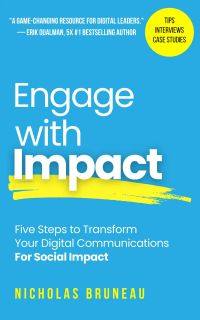
Engage with ImpactNicholas Bruneau4h 22min4.8 (14)Grátis

Special CharactersLaurie Segall10h 39min4.0 (234)$29 · $0.00

Prompt Your LifeDorian Frinch29min$15 · $0.00

Business-Englisch lernen Audio - Der Umgang mit LampenfieberIan McMaster1h 1min$15
Uplifting DesignDan Makoski3h 51min4.8 (11) Só no Ultra