


Duração11h 7m
Sobre este audiolivro
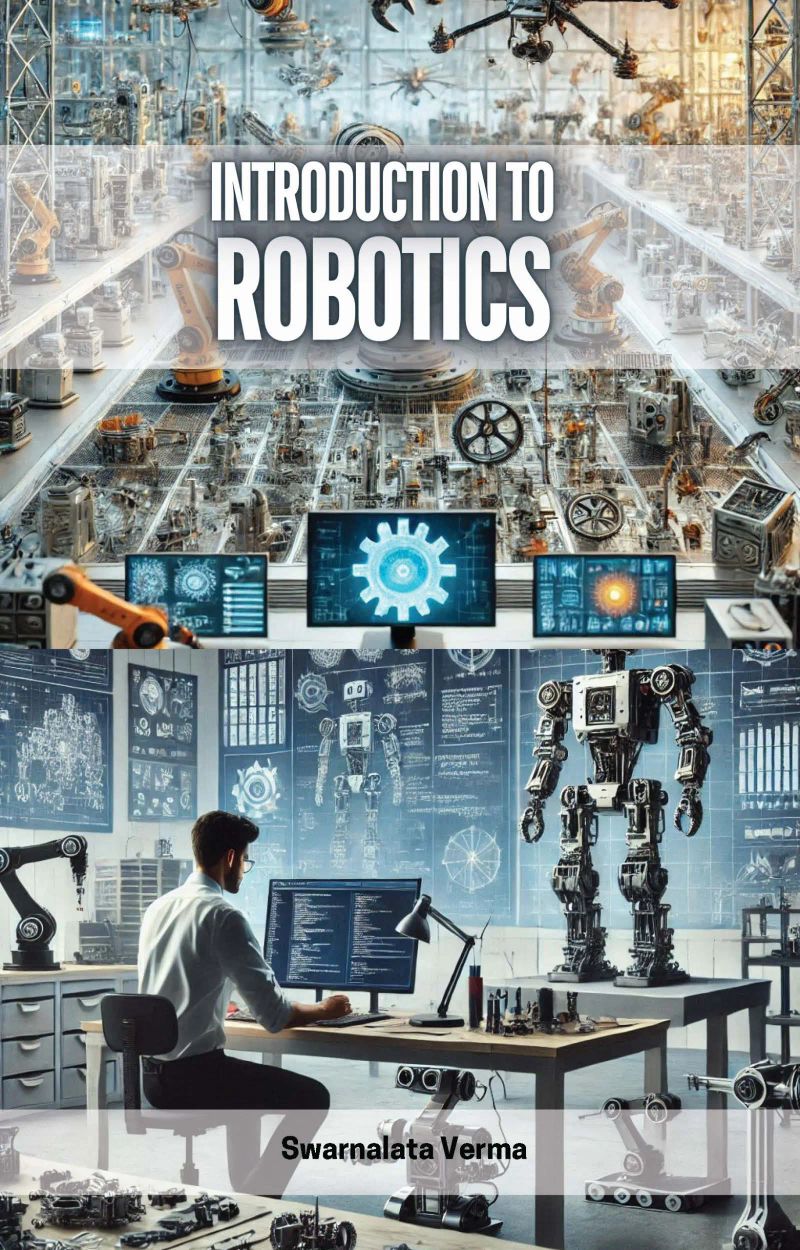
"Introduction to Robotics" takes readers on a transformative journey into the fascinating world of robotics. Designed for both aspiring robotics enthusiasts and seasoned professionals, this comprehensive guide illuminates the fundamental principles that underpin the dynamic and ever-evolving field of robotics.
We explore the essential aspects of robotics, from the basics of robot design and control to advanced topics like artificial intelligence, machine learning, and autonomous systems. Each chapter delves into key concepts, methodologies, and best practices, providing a balanced mix of theoretical foundations and practical applications.
We cover topics such as kinematics, sensors and actuators, robot programming, and path planning. Real-world case studies and examples illustrate how these principles are applied in various industries, from manufacturing and healthcare to space exploration and entertainment.
Whether you are a student stepping into the world of robotics or a professional looking to deepen your knowledge, "Introduction to Robotics" equips you with the tools and insights needed to navigate this exciting field. With its blend of theory and application, this book serves as an invaluable resource for mastering the art of robotics.
Detalhes do audiolivro
GêneroTechnology, Science and Nature
Duração11 h 7 min
Narrado porOuça com mais de 1.000 vozes
FormatoeBook com áudio
Data de publicação20 de fev. de 2025
IdiomaInglês
Sumário
1CHAPTER 1 Introduction to Data Mining
21.1 Definition and Scope of Data Mining
31.2 Evolution of Data Mining
41.3 Importance in Decision Making
51.4 Applications in Various Industries
Mostrar todos os capítulosVer menos
61.5 Challenges and Opportunities
71.6 Summary
81.7 Exercise : References
9CHAPTER 2 Foundations of Data Mining
102.1 Basics of Statistics
112.2 Probability and Random Variables
122.3 Linear Algebra for Data Analysis
132.4 Database Systems and Concepts
142.5 Machine Learning Fundamentals
152.6 Mathematical Models in Data Mining
162.7 Summary
172.8 Exercise: References
18CHAPTER 3 Data Exploration and Preprocessing
193.1 Data Collection Techniques
203.2 Data Cleaning and Transformation
213.3 Handling Missing Values
223.4 Outlier Detection and Treatment
233.5 Feature Scaling and Selection
243.6 Exploratory Data Analysis (EDA)
253.7 Summary
263.8 Exercise : References
27CHAPTER 4 Classification Algorithms
284.1 Decision Trees
294.2 Support Vector Machines (SVM)
304.3 k-Nearest Neighbors (k-NN)
314.4 Naive Bayes Classification
324.5 Ensemble Methods and Evaluation Metrics
334.6 Summary
344.7 Exercise : References
35CHAPTER 5 Clustering Techniques
365.1 K-Means Clustering
375.2 Hierarchical Clustering
385.3 DBSCAN
395.4 Gaussian Mixture Models
405.5 Self-Organizing Maps
415.6 Summary
425.7 Exercise : References
43CHAPTER 6 Association Rule Mining
446.1 Market Basket Analysis
456.2 Apriori Algorithm
466.3 FP-Growth Algorithm
476.4 Rule Pruning and Optimization
486.5 Applications in Recommender Systems
496.6 Summary
506.7 Exercise : References
Collected Writings of Nikola TeslaThomas Commerford Martin, Nikola Tesla19h 42min4.4 (2.8K)$1.99 · $0.00

Operation PedestalMax Hastings12h 29min4.4 (5.2K)$29 · $0.00

When the Heavens Went on SaleAshlee Vance18h 20min4.4 (3K)$40 · $0.00

Everybody Has a Podcast (Except You)Justin McElroy, Travis McElroy, Griffin McElroy5h 9min4.3 (2.3K)$24 · $0.00

Hands of TimeRebecca Struthers8h 8min4.4 (1.3K)$26 · $0.00
Never Lost AgainBill Kilday10h 1min4.4 (805)$29 · $0.00
How the Internet HappenedBrian McCullough13h 28min4.3 (2.7K)$23 · $0.00
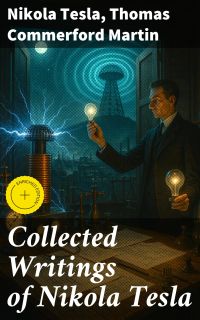
Collected Writings of Nikola TeslaNikola Tesla, Thomas Commerford Martin21h 50min4.3 (1.7K)$1 · $0.00

Just AspireAjai Chowdhry9h 13min4.4 (260)$29 · $0.00

The Little Book of AliensAdam Frank8h 20min4.3 (1.3K)$26 · $0.00
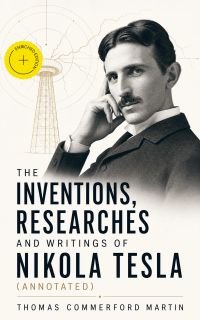
The inventions, researches and writings of Nikola Tesla (Annotated)Thomas Commerford Martin16h 59min4.3 (1.3K)$2 · $0.00

KargilV.P. Malik15h 18min4.3 (2K)$24 · $0.00
Experiments with Alternating CurrentsNikola Tesla9h 16min4.3 (874)$1.99 · $0.00

Fire on the HorizonTom Shroder, John Konrad8h 23min4.3 (858)$26 · $0.00

The Smell of Kerosene (Annotated)National Aeronautics and Space Administration, Donald L. Mallick, Peter W. Merlin11h 32min4.3 (523)$2 · $0.00

The Boy Who Harnessed the WindWilliam Kamkwamba, Bryan Mealer10h 5min4.2 (78.9K)$29 · $0.00

Across the Airless WildsEarl Swift10h 8min4.3 (1.3K)$29 · $0.00

Console WarsBlake J. Harris20h 41min4.2 (13.7K)$46 · $0.00
Improvised Munitions HandbookU.S. Department of Defense4h 49min4.3 (1.6K)$1.99 · $0.00
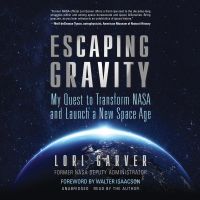
Escaping GravityLori Garver10h 54min4.2 (2.2K)$20 · $0.00
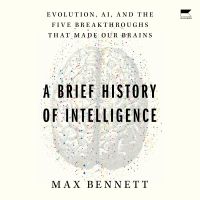
A Brief History of IntelligenceMax S. Bennett12h 18min4.6 (6.6K)$29 · $0.00
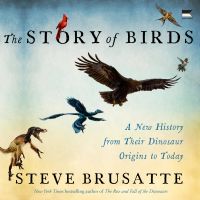
The Story of BirdsSteve Brusatte11h 49min4.6 (401)$29 · $0.00

LiftoffEric Berger9h 4min4.6 (9.5K)$29 · $0.00
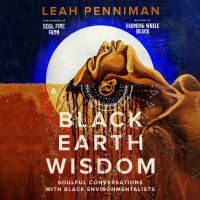
Black Earth WisdomLeah Penniman11h 54min4.6 (577)$8 · $0.00

Total Cat MojoJackson Galaxy10h 13min4.5 (8.4K)$23 · $0.00

My Life Among the UnderdogsTia Torres5h 51min4.5 (4K)$24 · $0.00

What It Takes to Save a LifeKwane Stewart6h4.6 (556)$24 · $0.00

Pastoral SongJames Rebanks8h 35min4.5 (12K)$26 · $0.00

How Stella Learned to TalkChristina Hunger7h4.5 (10.9K)$24 · $0.00

Craig & FredCraig Grossi8h 6min4.5 (9.6K)$26 · $0.00
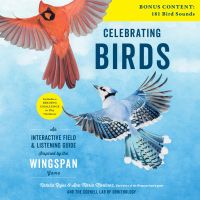
Celebrating BirdsNatalia Rojas, Ana Maria Martinez6h 47min4.6 (330)$24 · $0.00

Saving JemimaJulie Zickefoose4h 59min4.5 (749)$20 · $0.00

Will's Red CoatTom Ryan8h 23min4.5 (2.3K)$26 · $0.00

Of Time and TurtlesSy Montgomery10h 34min4.5 (5K)$29 · $0.00

THE WOLF TRILOGY: Call of the Wild, White Fang & The Son of the WolfJack London17h 31min4.5 (2.4K)$1.99 · $0.00

Zen and the Art of Saving the PlanetThich Nhat Hanh9h 20min4.5 (3.9K)$29 · $0.00

BLACK BEAUTY (With Original Illustrations)Anna Sewell7h 31min4.5 (1.3K)$1.99 · $0.00

Bottle of LiesKatherine Eban14h 25min4.4 (12K)$33 · $0.00
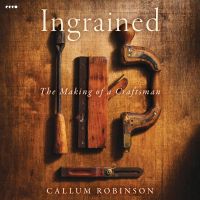
IngrainedCallum Robinson8h 10min4.5 (1.1K)$26 · $0.00

The Lion Tracker's Guide To LifeBoyd Varty3h 1min4.4 (4.8K)$18 · $0.00
Você também pode gostar
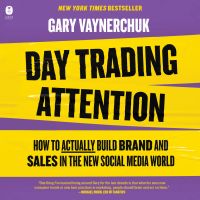
Day Trading AttentionGary Vaynerchuk8h 25min4.3 (1.8K)$28 · $0.00

The Bone ThiefJefferson Bass9h 56min4.1 (5.9K)$29 · $0.00

The Case of the Murdered MuckrakerCarola Dunn8h 3min3.7 (3.9K)$20
Collected Writings of Nikola TeslaThomas Commerford Martin, Nikola Tesla19h 42min4.4 (2.8K)$1.99 · $0.00
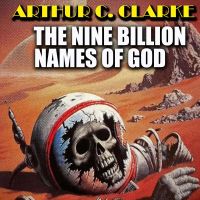
The Nine Billion Names of GodArthur C. Clarke15min4.2 (10.6K)$1 · $0.00

York: The Clockwork GhostLaura Ruby9h 8min4.3 (2.4K)$29 · $0.00
Google ItAnna Crowley Redding4h 18min4.0 (711)$15

Business-Englisch lernen Audio - Eine kraftvolle PräsentationMelita Cameron-Wood58min$17

The Evolution of Technologythe Speech Resource Company9h 30min$20

Video Technology Standard RequirementsGerardus Blokdyk4h 6min$71
How To Code For Quantum ComputersNivio Dos Santos2h 19min5.0 (1)$46 · $0.00

Introduction manual to S&OPCristina Peña1h 34min4.4 (15)$23 · $0.00
Chaos in Transit SystemsJorge Villalobos Durán4h 33min$11 · $0.00

The Definitive Guide To The World's Leading Artificial IntelligenceKael Novera6h 51min$8 · $0.00
The Flip Side of HistorySteve Silverman5h 42min3.9 (209)$17

Trade WorksAndreas Schweitzer5h 13min4.4 (17)$25 · $0.00

Artificial Intelligence Business ApplicationsBob Mather2h 50min3.8 (133)$4.99

The Golden BitcoinMichael A. Duniec6h 44min5.0 (1)$14.99 · $0.00

The Hidden Power of AI for Financial GrowthNora V. Halden3h 33min5.0 (1)$2.30 · $0.00
The Dream Doctor (Annotated)Arthur B. Reeve11h 33min$2 · $0.00