
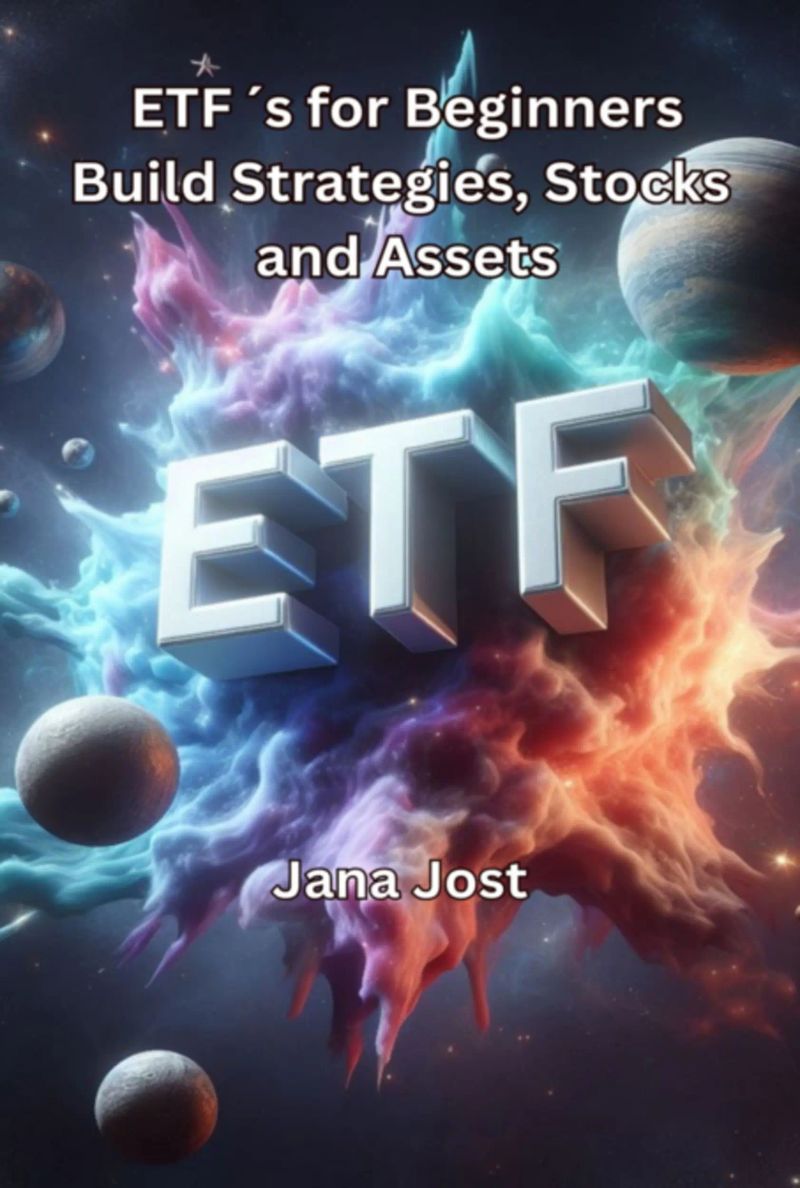


Length1h 49m
About this audiobook
ETFs, what are they actually? If you have already wondered that, you ve come to the right place! In this chapter we give you a fundamental explanation of ETFs as stock markets traded index funds. An ETF or Exchange Traded Fund is an investment fund that is traded on the stock exchange. Simply imagine an ETF as a basket of stocks, bonds or other securities, which enables investors to invest broadly in various markets or industries. By buying ETF shares, you indirectly acquire a piece of this basket. The course of an ETF changes during the day depending on the price movements of the securities it contains. Now you are wondering: Why should I invest in ETFs? This is where the advantages come: First, ETFs offer an easy way to invest diversified. Since an ETF can cover an entire market or an entire industry, you minimize your individual risk. This means that you do not depend on the development of a single share or bond, but on the overall performance of the market or the industry. Second, ETFs are usually inexpensive.
Audiobook details
GenreEducation and Learning
Length1 hr 49 mins
Narrated byListen with 1,000+ voices
FormateBook with Audio
Publish dateApr 8, 2025
LanguageEnglish
Table of contents
1Introduction to ETFs
26Dollar cost averaging
2What are ETFs?
27Rebalancing of the portfolio
3Advantages of ETFs
28ETFS vs. stocks
4Risks of ETFs
29Differences in performance
5How do ETFs work?
30Risk profile
Mostrar todos os capítulosVer menos
6Anatomy of an ETF
31ETFS vs. Investment fund
7Invest in ETFs
32Structure and management
8ETF components
33Comparison of costs
9Types of ETFs
34Transparency and flexibility
10Stock
35Sustainable ETFs
11Bonds
36Selection criteria for sustainable ETFs
12Industry specific ETFs
37Performance of sustainable ETFs
13Selection of the right ETF
38Increase in return with ETFs
14Total cost rate (ter)
39Dividend strategy
15Liquidity of the ETF
40Factor investing
16Tracking error
41Investment in emerging countries
17ETF brokerage and trade
42Risk reduction with ETFs
18Selection of an ETF broker
43Scattering of the risk
19Order types at ETF trading
44Volatility control
20Tax aspects of ETFs
45Tax aspects of ETFs
21Portfolio structure with ETFs
46Flatrate tax
22Diversification with ETFs
47Tax efficiency of ETFs
23Asset allocation
48Legal and regulatory framework of ETFs
24Risk management
49Ucits - Directive
25Long term investment strategies with ETFS Buy-and-Hold strategy
50AIFMD directive
A Brief History of IntelligenceMax S. Bennett12h 18m4.6 (6.6K)$29 · $0.00

HomeschooledStefan Merrill Block7h 10m3.6 (18.5K)$28 · $0.00

The Call of the Wild and FreeAinsley Arment9h 7m4.4 (21.2K)$29 · $0.00
The Freelance WayRobert Vlach19h 48m4.5 (528)$40 · $0.00
Race to the BottomLuke Rosiak9h 20m4.5 (600)$29 · $0.00

They Came for the SchoolsMike Hixenbaugh9h 5m4.5 (2.6K)$8 · $0.00

Find Me UnafraidKennedy Odede, Jessica Posner11h 11m4.5 (2.7K)$29 · $0.00

Asking for ItKate Harding8h 55m4.4 (5.3K)$20 · $0.00
Defining Moments in Black HistoryDick Gregory7h 37m4.4 (6K)$26 · $0.00
The Emerald Tablets of Thoth the AtlanteanMaurice Doreal3h 4m4.4 (8.8K)$6 · $0.00

Learning AmericaLuma Mufleh6h 37m4.4 (564)$24 · $0.00
Math-ishJo Boaler7h 21m4.4 (588)$24 · $0.00
Daddy-Long-LegsJean Webster12h 18m4.2 (91K)$0.99 · $0.00
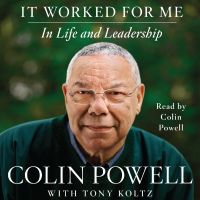
It Worked For MeColin Powell7h 42m4.3 (9.8K)$26 · $0.00
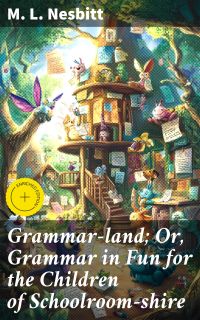
Grammar-land; Or, Grammar in Fun for the Children of Schoolroom-shireM. L. Nesbitt2h 36m4.4 (488)$1 · $0.00
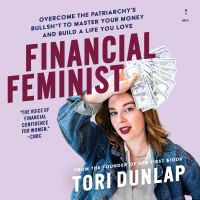
Financial FeministTori Dunlap8h 3m4.2 (22.2K)$8 · $0.00
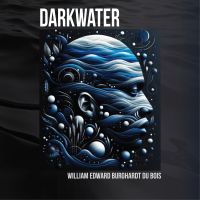
DarkwaterWilliam Edward Burghardt Du Bois6h 40m4.3 (1.4K)$11 · $0.00

The Highway Code UKDepartment for Transport3h 33m4.2 (36.6K)$11 · $0.00

He'll Be OKCelia Lashlie6h 32m4.3 (1.1K)$24 · $0.00

Dr. Montessori's Own HandbookMaria Montessori3h 33m4.3 (1.3K)$1 · $0.00
You may also like
The Eternal SummerCurt Sampson8h 41m4.3 (446)$17
Too Much GlueJason Lefebvre5m4.3 (2.3K)$5 · $0.00
A Bear to ShareJessica Alba, Kelly Sawyer Patricof, Norah Weinstein9m4.4 (281)$4 · $0.00
Fancy Nancy: Fancy Day in Room 1-AJane O'Connor8m4.3 (868)$4 · $0.00
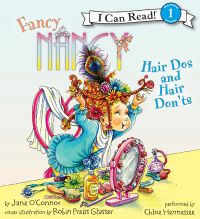
Fancy Nancy: Hair Dos and Hair Don'tsJane O'Connor7m4.1 (1.8K)$4 · $0.00
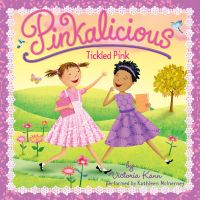
Pinkalicious: Tickled PinkVictoria Kann8m4.1 (758)$4 · $0.00
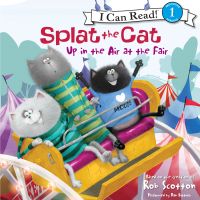
Splat the Cat: Up in the Air at the FairRob Scotton6m4.1 (583)$4 · $0.00
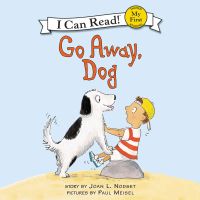
Go Away, DogJoan L. Nodset5m4.2 (1.3K)$4 · $0.00
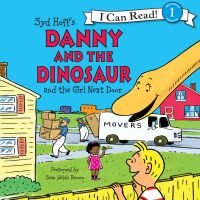
Danny and the Dinosaur and the Girl Next DoorSyd Hoff5m4.1 (447)$4 · $0.00
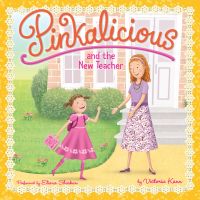
Pinkalicious and the New TeacherVictoria Kann6m4.2 (722)$4 · $0.00
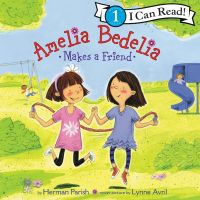
Amelia Bedelia Makes a FriendHerman Parish6m4.4 (2.2K)$4 · $0.00
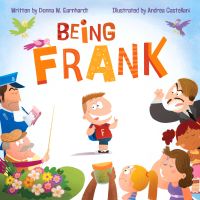
Being FrankDonna Earnhardt9m4.2 (827)$5 · $0.00
Splat the Cat and the Quick ChicksRob Scotton6m4.1 (582)$4 · $0.00

Top Nutritious Foods for Your Growing BabyAurora Brooks1h 12m$3.50 · $0.00

Letter playSally Beer17m$8 · $0.00

The Pegi-SystemGrit Stephan18m$2 · $0.00
1000 Drawings of GeniusVictoria Charles, Klaus Carl10h 12m4.0 (10)$18 · $0.00
Robert's Rules of Order (Annotated)Henry M. Robert6h 13m$2 · $0.00
Moscow Pop: 25,435Theobaldo Veira Monteiro10m$8 · $0.00

Age Rating and the Meaning of the SymbolsGrit Stephan18m$2 · $0.00