
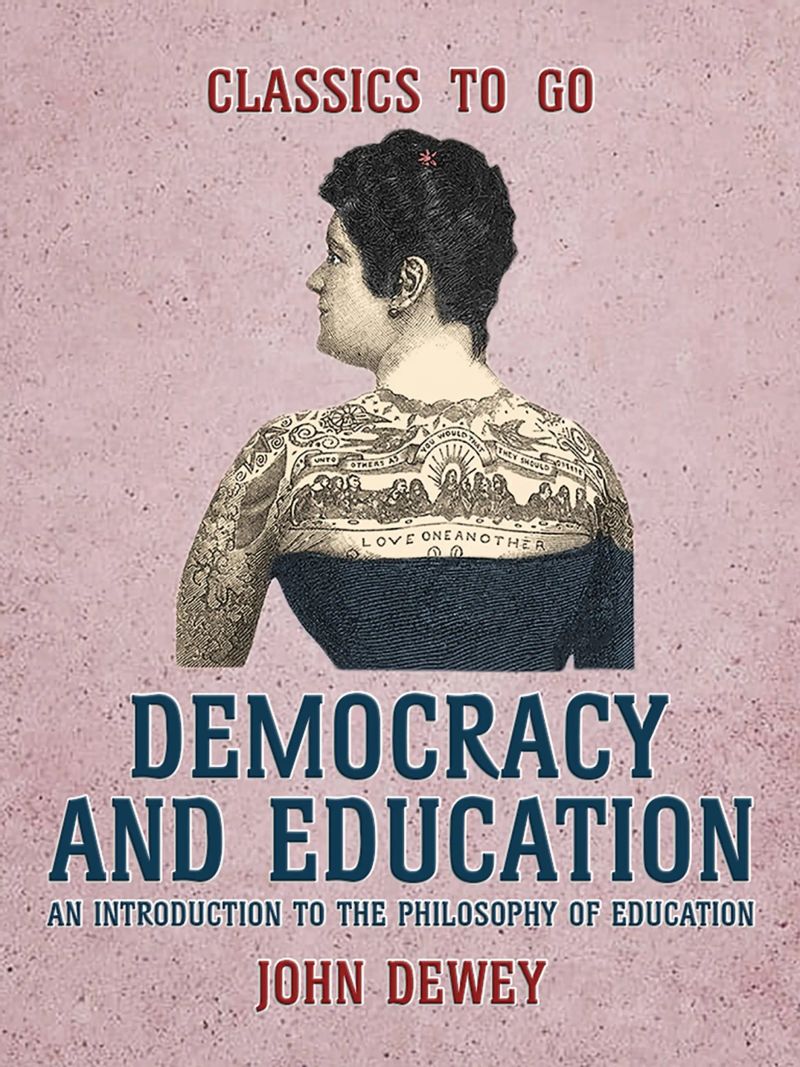
Democracy and Education An Introduction to the Philosophy of Education
De John Dewey


Duração15h 33m
Sobre este audiolivro
In Democracy and Education, Dewey argues that the primary ineluctable facts of the birth and death of each one of the constituent members in a social group determine the necessity of education.
Detalhes do audiolivro
Avaliação★★★★ 4,1 (4 mil)
Inclui Goodreads, Amazon, LibraryThing, StoryGraph
GêneroPhilosophy
Duração15 h 33 min
Narrado porOuça com mais de 1.000 vozes
FormatoeBook com áudio
Data de publicação10 de mai. de 2022
IdiomaInglês
Sumário
1Chapter One
2Summary. It is the very nature of life to strive to continue in being.
3Chapter Two
4Summary. The development within the young of the attitudes and
5Chapter Three
Mostrar todos os capítulosVer menos
6Summary. The natural or native impulses of the young do not agree with
7Chapter Four
8Summary. Power to grow depends upon need for others and plasticity.
9Chapter Five
10Summary. The conception that the result of the educative process is
11Chapter Six
12Summary. Education may be conceived either retrospectively or
13Chapter Seven
14Summary. Since education is a social process, and there are many kinds
15Chapter Eight
16Summary. An aim denotes the result of any natural process brought to
17Chapter Nine
18Summary. General or comprehensive aims are points of view for surveying
19Chapter Ten
20Summary. Interest and discipline are correlative aspects of activity
21Chapter Eleven
22Summary. In determining the place of thinking in experience we first
23Chapter Twelve
24Summary. Processes of instruction are unified in the degree in which
25Chapter Thirteen
26Summary. Method is a statement of the way the subject matter of an
27Chapter Fourteen
28Summary. The subject matter of education consists primarily of the
29Chapter Fifteen
30Summary. In the previous chapter we found that the primary subject
31Chapter Sixteen
32Summary. It is the nature of an experience to have implications which
33Chapter Seventeen
34Summary. Science represents the fruition of the cognitive factors in
35Chapter Eighteen
36Summary. Fundamentally, the elements involved in a discussion of value
37Chapter Nineteen
38Summary. Of the segregations of educational values discussed in the
39Chapter Twenty
40Summary. The Greeks were induced to philosophize by the increasing
41Chapter Twenty-one
42Summary. The philosophic dualism between man and nature is reflected in
43Chapter Twenty-two
44Summary. True individualism is a product of the relaxation of the grip
45Chapter Twenty-Three
46Summary. A vocation signifies any form of continuous activity which
47Chapter Twenty-four
48Summary. After a review designed to bring out the philosophic issues
49Chapter Twenty-five
50Summary. Such social divisions as interfere with free and full
Séries
Mais de John Dewey


Sceptical Essays (Annotated)Bertrand Russell9h 16min4.6 (1K)$2 · $0.00

WitnessAriel Burger8h 1min4.6 (1.3K)$20 · $0.00
Kahlil Gibran. Classic CollectionKahlil Gibran2h 55min4.5 (4K)$10 · $0.00
The Magic PresenceGodfré Ray King10h 21min4.6 (307)$1.20 · $0.00
The Art of LivingThich Nhat Hanh5h 1min4.5 (14.2K)$24 · $0.00

Moral Letters to LuciliusLucius Annaeus Seneca24h 26min4.5 (71.7K)$1.99 · $0.00
Complete Works of Marcus AureliusMarcus Aurelius5h 1min4.5 (2.4K)$10 · $0.00

Lessons in TruthH. Emilie Cady3h 50min4.5 (2.4K)$20 · $0.00
Letters from a StoicSeneca6h 5min4.4 (80.4K)$6 · $0.00
The Discourses of EpictetusP. E. MATHESOM12h 47min4.4 (17.7K)$1.20 · $0.00
IlluminationsWalter Benjamin10h 12min4.4 (16.2K)$20 · $0.00

That Bird Has My WingsJarvis Jay Masters9h 49min4.4 (13.7K)$29 · $0.00

Tâo Teh KingLaozi2h 34min4.4 (230.9K)$2 · $0.00

SymposiumPlato3h 26min4.4 (97.9K)$1.20 · $0.00

Buddhist Boot CampTimber Hawkeye2h 39min4.4 (8.4K)$18 · $0.00
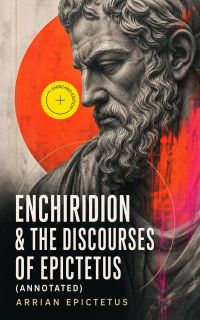
Enchiridion & The Discourses of Epictetus (Annotated)Arrian Epictetus18h 9min4.4 (3.5K)$2 · $0.00

The Meditations of the Emperor Marcus Aurelius AntoninusEmperor of Rome Marcus Aurelius5h 41min4.4 (1.8M)$1 · $0.00
Crime and PunishmentFyodor Dostoevsky23h 11min4.4 (1.3M)$12 · $0.00
Everyday DharmaSuneel Gupta5h 2min4.5 (761)$20 · $0.00

The Joyful Wisdom ("La Gaya Scienza")Friedrich Wilhelm Nietzsche11h 37min4.4 (26.6K)$1 · $0.00
Você também pode gostar
AlchemyRory Sutherland9h 38min4.3 (32.6K)$29 · $0.00
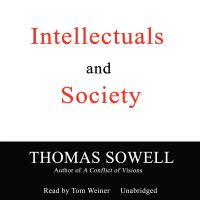
Intellectuals and SocietyThomas Sowell11h 23min4.4 (5.7K)$21 · $0.00
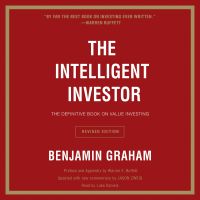
The Intelligent Investor Rev Ed.Benjamin Graham17h 48min4.3 (191.5K)$40 · $0.00
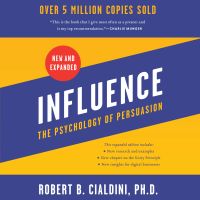
Influence, New and ExpandedRobert B. Cialdini20h 44min4.3 (186.5K)$46 · $0.00

Your Faith Is Your FortuneNeville Goddard, Ale.mar.sas3h 43min4.6 (6K)$4.50 · $0.00

Tao Te Ching by Lao TzuLao Tzu1h 4min4.4 (499K)$4 · $0.00

The Power of the Spoken WordFlorence Scovel Shinn1h 58min4.3 (3.9K)$4 · $0.00

The New Encyclopedia of Stage HypnotismOrmond McGill18h 51min4.2 (490)Grátis

The Art of FlirtingAnthony Ekanem1h 46min$7 · $0.00

The Sales MBADouglas Cole4h 31min3.7 (12)$20 · $0.00
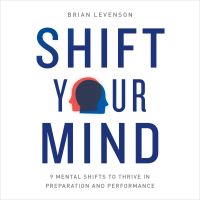
Shift Your MindBrian Levenson7h 42min4.2 (186)$18 · $0.00
Dopamine Detox: Rewire Your Mind for Optimal Clarity and Mental Strength (Your Practical Step-by-step Guide to Reduce Distractions, Beat Addiction, and Boost Productivity and Focus)Mason g, Edward Hatfield3h 29min$15 · $0.00

Digital Nomad: The Ultimate Guide to Thriving as a Digital Nomad (The Step-by-step System to Work From Anywhere and Build Freedom Online)Marcus g, Mathew Mastro4h 6min$17 · $0.00

The Articulate AttorneyBrian K. Johnson, Marsha Hunter5h 55min4.1 (98)$20 · $0.00

Dark Psychology for Beginners – How to Analyze People, Detect Manipulation, and Protect Yourself from Mind GamesMateusz Janeczek5h 36min$6.40 · $0.00

Defending the Biblical GospelJohn Warwick Montgomery9h 23min$33 · $0.00

Principles of gamification for educational softwareRafael Mellado3h 29min$13 · $0.00
Photographic Memory: Advanced Strategies and Techniques for Remembering More (How to Use Advanced Learning Strategies to Learn Faster, Remember More and Be More Productive)Stephen Phillips3h 36min3.8 (129)$3.50 · $0.00
Addiction: Essential Skills to Overcome Any Addiction and Prevent Relapse (A Guide for the Addict and the Family and Friends That Love Them and Support Their Recovery)Mason g, Thomas Johnson3h 5min$13 · $0.00
ResonanceLukas Åkerberg Lundh1h 5min$6 · $0.00