
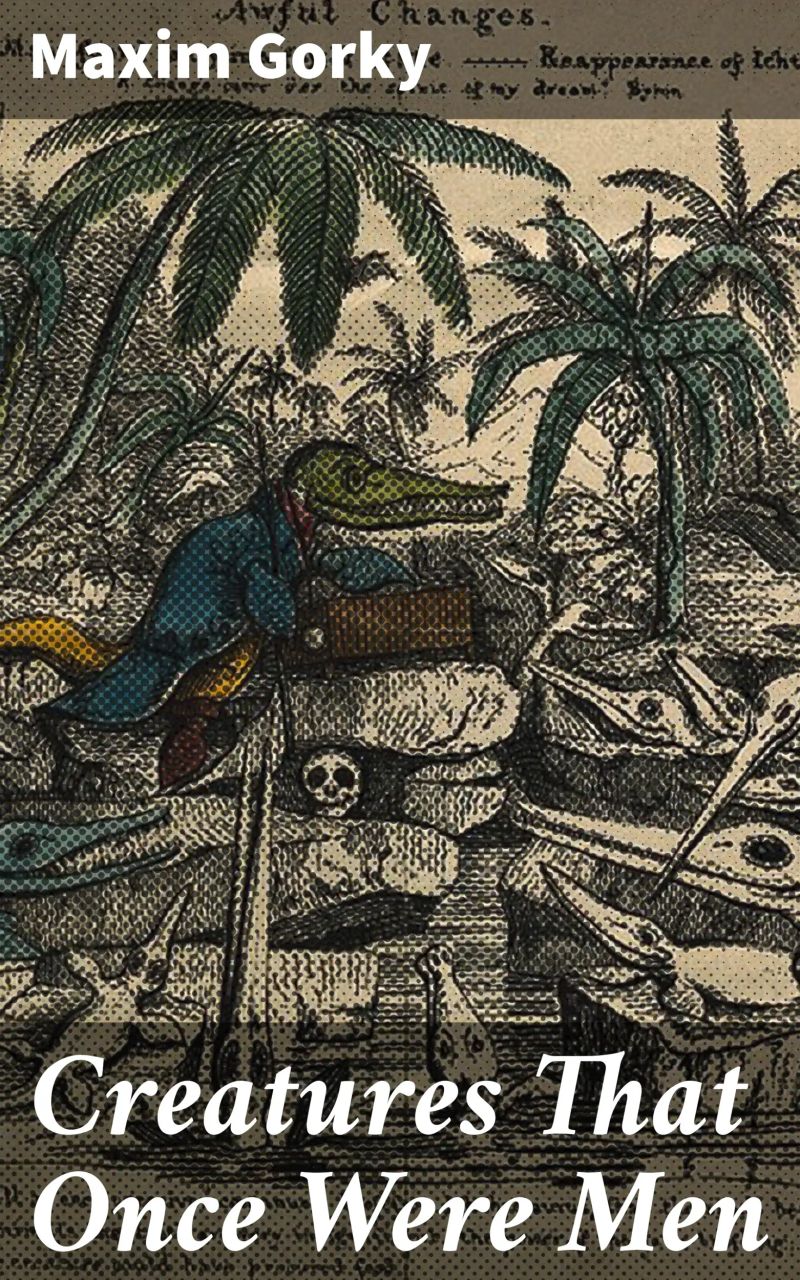
Creatures That Once Were Men
A Gritty Tale of Dehumanization and Exploitation in Pre-Revolutionary RussiaDe Maxim Gorky


Duração2h 54m
Sobre este audiolivro
Maxim Gorky'Äôs "Creatures That Once Were Men" is a poignant exploration of human depravity and social injustice, employing a stark yet evocative literary style that underscores the bleak realities of life in early 20th-century Russia. Gorky's use of vivid imagery and poignant characterizations illuminates the struggles of marginalized individuals, presenting their plight against the backdrop of a society characterized by exploitation and despair. The narrative, infused with naturalism, offers a searing critique of the dehumanizing effects of poverty and the prison-like conditions of modern urban existence. Maxim Gorky, born into a life of hardship, rose from humble beginnings to become a prominent figure in Russian literature, heavily influenced by his own experiences with destitution and societal inequity. His deep-seated empathy for the downtrodden and his advocacy for social reform shape the fabric of his writing. Gorky'Äôs encounters with both the working class and revolutionary movements instilled in him a sense of urgency to voice the struggles of the oppressed, making this work not just a literary endeavor but a moral call to action. Adventurous and probing, "Creatures That Once Were Men" is essential reading for anyone interested in the intersection of literature and social activism. Gorky'Äôs unflinching honesty and artistry invite readers to reflect on the human condition and the societal structures that shape it, making this book an invaluable addition to the canon of social realist literature.
Detalhes do audiolivro
Avaliação★★★★ 3,9 (740)
Inclui Goodreads, LibraryThing, Amazon, StoryGraph
GêneroGeneral Fiction, Historical Fiction
Duração2 h 54 min
Narrado porOuça com mais de 1.000 vozes
FormatoeBook com áudio
Data de publicação10 de abr. de 2021
IdiomaInglês
Sumário
1Titlepage
2Creatures That Once Were Men (pt. 1)
3Creatures That Once Were Men (pt. 2)
4Introductory
Mais de Maxim Gorky
MOTHER (Russian Literature Classic)Maxim Gorky16h 58min4.1 (21.9K)$1.99 · $0.00
Mother (Annotated)Maxim Gorky17h 9min$2 · $0.00
Reminiscences of Anton ChekhovMaxim Gorky, Alexander Kuprin, Ivan Bunin2h 37min4.2 (130)$1 · $0.00
TchelkacheMaxim Gorky1h 25min4.1 (2.9K)$2 · $0.00
MotherMaxim Gorky16h 50min4.0 (20.4K)$2 · $0.00

One Autumn NightMaxim Gorky25min3.5 (192)$1 · $0.00
AmmaMaxim Gorky4h 11min4.1 (22.4K)$8
Savvis Purush Ani Ek MulgiMaxim Gorky50min$4
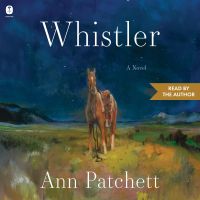
WhistlerAnn Patchett10h 45min4.6 (4.6K)$29 · $0.00
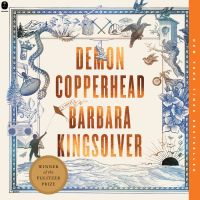
Demon CopperheadBarbara Kingsolver21h 3min4.5 (949.4K)$46 · $0.00
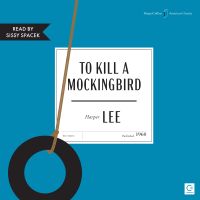
To Kill a MockingbirdHarper Lee12h 18min4.5 (7.4M)$29 · $0.00
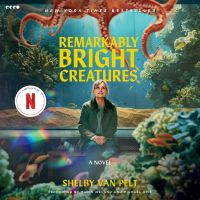
Remarkably Bright CreaturesShelby Van Pelt11h 17min4.4 (1.7M)$29 · $0.00
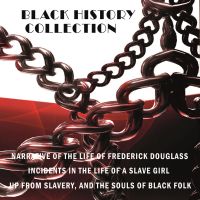
Black History CollectionFrederick Douglass, Harriet Ann Jacobs, Booker T. Washington, W.E.B. Du Bois27h 9min4.6 (2.6K)$15 · $0.00
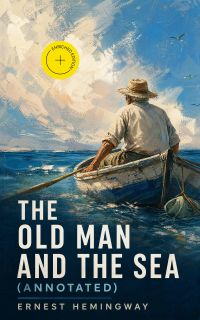
The Old Man and the Sea (Annotated)Ernest Hemingway4h 27min4.6 (1.4K)$2 · $0.00
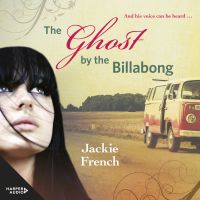
The Ghost by the Billabong (The Matilda Saga, #5)Jackie French14h 58min4.6 (773)$33 · $0.00
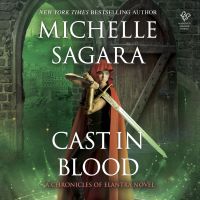
Cast in BloodMichelle Sagara16h 35min4.6 (607)$33 · $0.00
The Captain Blood Trilogy (Annotated)Rafael Sabatini29h 20min4.6 (1K)$3 · $0.00
Ship of the Line (Annotated)Cecil Louis Troughton Smith11h 13min4.6 (1K)$2 · $0.00
The George Orwell CollectionGeorge Orwell24h 46min4.5 (14.4K)$10 · $0.00

ShivajiRanjit Desai25h 13min4.6 (3.1K)$24 · $0.00
Time RegainedMarcel Proust15h 38min4.5 (9.2K)$2 · $0.00

Driving ForceElle James4h 58min4.6 (407)$20 · $0.00

When God Calls the HeartBrian Bird, Michelle Cox3h 24min4.6 (439)$10 · $0.00

Five Little IndiansMichelle Good10h 34min4.5 (64.5K)$29 · $0.00
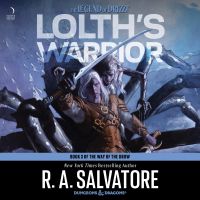
Lolth's WarriorR. A. Salvatore13h 20min4.6 (2.4K)$33 · $0.00
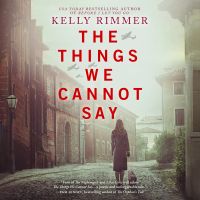
The Things We Cannot SayKelly Rimmer13h 48min4.5 (359.1K)$33 · $0.00

The Love Songs of W.E.B. Du BoisHonoree Fanonne Jeffers29h 49min4.5 (58K)$8 · $0.00
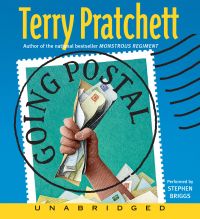
Going PostalTerry Pratchett11h 23min4.5 (189.9K)$29 · $0.00
The Things We Cannot SayKelly Rimmer13h 48min4.5 (359.1K)$33 · $0.00
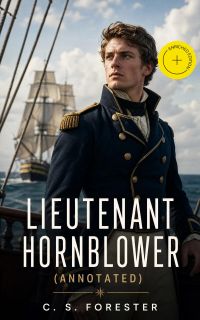
Lieutenant Hornblower (Annotated)C. S. Forester11h 41min4.5 (2.9K)$2 · $0.00
A Christmas Carol (Illustrated Edition)Charles Dickens3h 23min4.5 (21.2K)$1.99 · $0.00

Rilla of InglesideLucy Maud Montgomery11h 44min4.5 (48.2K)$2 · $0.00
The Viennese DressmakerKathryn Gauci11h 46min4.5 (2.1K)$23 · $0.00
The Man in the Brown Suit & They Came to BaghdadAgatha Christie15h 43min4.6 (495)$33 · $0.00

Under the Light of the Italian MoonJennifer Anton12h 28min4.5 (5.3K)$23 · $0.00

Jubilee, 50th Anniversary EditionMargaret Walker15h 43min4.5 (9.5K)$25 · $0.00

Pride and PrejudiceJane Austen14h 44min4.4 (4.7M)$2 · $0.00
Flying Colours (Annotated)Cecil Louis Troughton Smith9h 26min4.4 (10.1K)$2 · $0.00
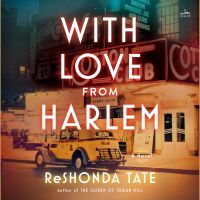
With Love from HarlemReShonda Tate13h 48min4.5 (2K)$6 · $0.00

Sweet Home Highland ChristmasMay McGoldrick, Jan Coffey2h 54min4.5 (1.4K)$7 · $0.00
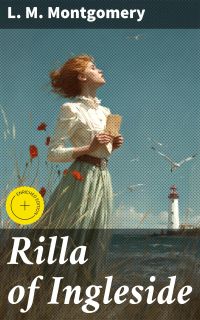
Rilla of InglesideL. M. Montgomery12h 25min4.4 (67.5K)$2 · $0.00
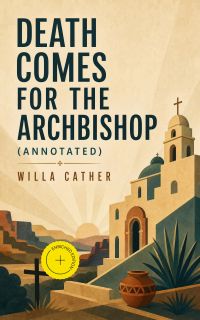
Death Comes for the Archbishop (Annotated)Willa Cather9h 13min4.4 (4.7K)$2 · $0.00

The Long FallPenelope Wilcock8h 5min4.5 (458)$20 · $0.00
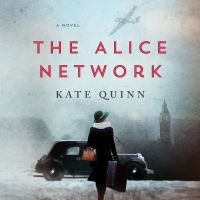
The Alice NetworkKate Quinn15h 7min4.4 (887.1K)$33 · $0.00

The Goddess of WarsawLisa Barr13h 4min4.4 (36.4K)$33 · $0.00

The Ohio River Trilogy: Betty Zane, The Spirit of the Border & The Last TrailZane Grey29h 8min4.4 (1.8K)$1 · $0.00
The Attic ChildLola Jaye14h 46min4.4 (21K)$33 · $0.00
Martyr of the CatacombsJames De Mille3h 41min4.5 (744)$1 · $0.00
Você também pode gostar
The Hardest Thing to DoPenelope Wilcock7h 31min4.5 (380)$20 · $0.00
You can't winJack Black13h 7min4.4 (7.6K)$1 · $0.00

The Angry TherapistJohn Kim4h 4min4.3 (723)$20 · $0.00

Home for Wounded HeartsAshley Farley6h 27min4.5 (2.3K)$20
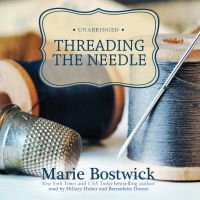
Threading the NeedleMarie Bostwick12h 19min4.2 (4.5K)$23
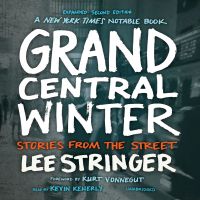
Grand Central Winter, Expanded Second EditionLee Stringer7h4.0 (1.3K)$20 · $0.00
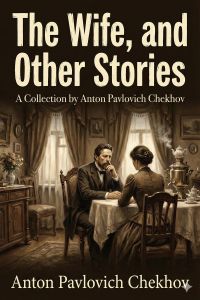
The Wife, and Other StoriesAnton Pavlovich Chekhov8h 20min4.0 (533)$2
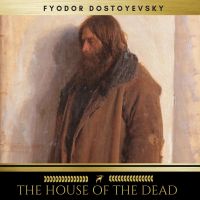
The House of the DeadFyodor Dostoyevsky11h 23min4.2 (44.3K)$1 · $0.00

The Streets of BaltimoreJoe Frantz6h 52min4.6 (447)$17

Berlin Alexanderplatz (Annotated)Alfred Döblin18h 46min4.1 (29.8K)$1.99 · $0.00
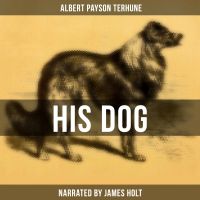
His DogAlbert Payson Terhune3h 18min4.1 (253)$7.50 · $0.00
ResilienceEric Greitens10h 35min4.3 (6.4K)$29 · $0.00
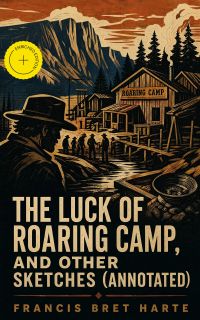
The Luck of Roaring Camp, and Other Sketches (Annotated)Francis Bret Harte6h 38min3.9 (7K)$2 · $0.00
Let Them LeadJohn U. Bacon7h 10min4.5 (1.4K)$24 · $0.00

Paul Faber, SurgeonGeorge MacDonald17h 37min4.0 (612)$2
Creatures That Once Were Men Maxim Gorky6h 25min3.7 (412)Grátis
What Christmas Did for Jerusha Grumble (Annotated)John D. MacDonald2h 5min3.1 (14)$1.99 · $0.00
Concrete CarnivalDanner Darcleight10h 32min3.9 (41)$20
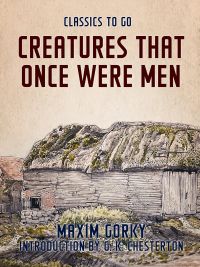
Creatures That Once Were MenMaxim Gorky2h 54min3.7 (412)$2.30
Escape the ThunderLonnie Coleman4h 49min$5.20 · $0.00