
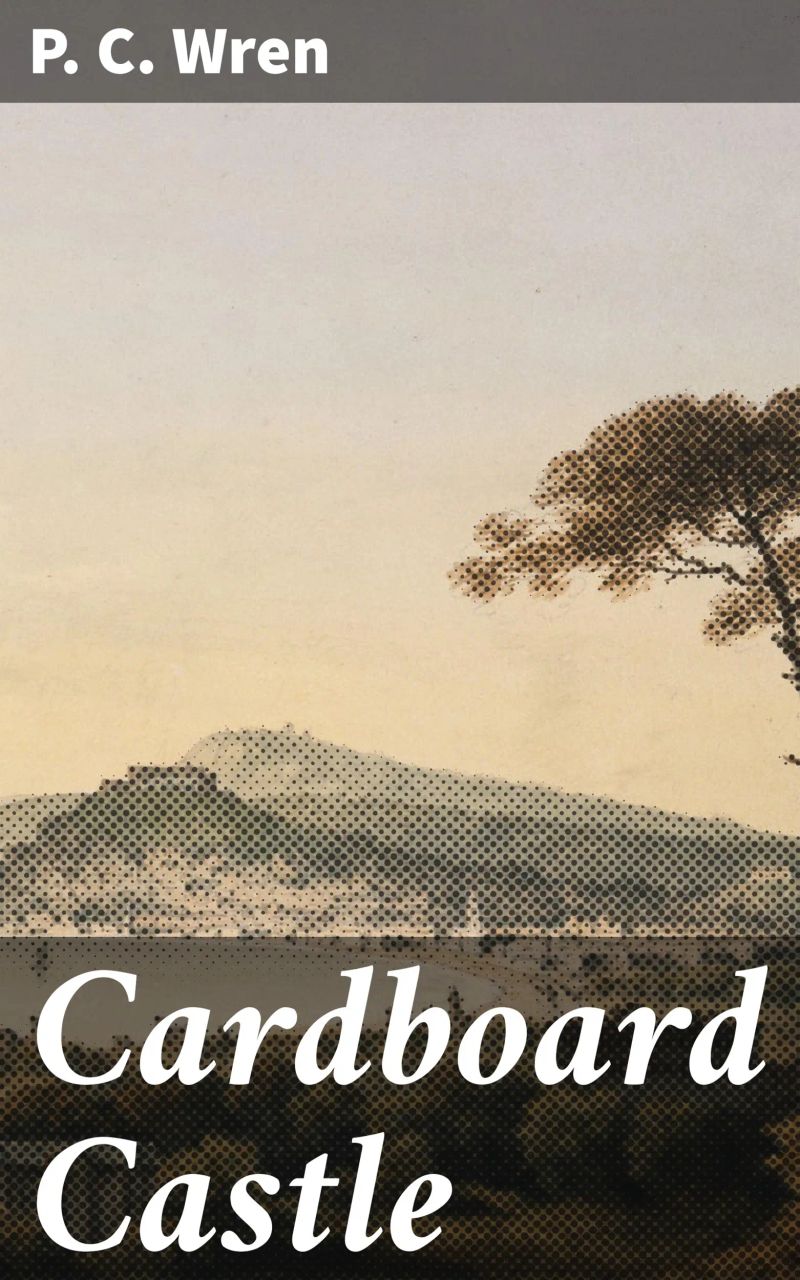
Cardboard Castle
A Tale of Adventure, Romance, and Honor in War-Torn EuropeDe P. C. Wren


Duração11h 5m
Sobre este audiolivro
In "Cardboard Castle," P. C. Wren crafts a compelling narrative that intricately weaves themes of love, loss, and the resilience of the human spirit. Set against a backdrop of evocative landscapes, the novel employs a rich, descriptive style characterized by its vivid imagery and lyrical prose. Wren's adept storytelling creates an immersive world where the castle serves as both a literal and metaphorical structure, representing the fragility of dreams and the enduring nature of hope amidst adversity. The book harmoniously fits into the literary context of early 20th-century fiction, where themes of escapism and emotional profundity were pivotal in literature of the time. P. C. Wren, known for his adventurous spirit reflected in his writing, was deeply influenced by his experiences in colonial territories, which contributed to his unique perspective on human relationships and culture. His background in military service and extensive travels allowed him to integrate diverse cultural elements into his storytelling. Wren's ability to capture the complexities of emotion and human connection in "Cardboard Castle" reveals not only his literary talent but also his engagement with the social and psychological themes of his era. Readers seeking a poignant exploration of the intricacies of love and the delicate construction of dreams will find "Cardboard Castle" an arresting and thought-provoking journey. Wren's nuanced characters and evocative narrative will resonate with those who appreciate literature that delves into the heart of human experience, making this work a worthy addition to any thoughtful reader's collection.
Detalhes do audiolivro
GêneroHistorical Fiction, Action and Adventure
Duração11 h 5 min
Narrado porOuça com mais de 1.000 vozes
FormatoeBook com áudio
Data de publicação24 de dez. de 2021
IdiomaInglês
Sumário
1Titlepage
4Text (pt. 3)
2Text (pt. 1)
5Text (pt. 4)
3Text (pt. 2)
6Text (pt. 5)
Die Abenteuer der FremdenlegionäreP. C. Wren44h 21min4.4 (11)$2 · $0.00
P. C. WREN - Tales Of The Foreign LegionP. C. Wren24h 41min4.1 (29)$1.99 · $0.00
P. C. Wren: Adventure Novels & Tales From the Foreign LegionP. C. Wren45h 14min$1.99 · $0.00
DRIFTWOOD SPARSP. C. Wren9h 39min$1.99 · $0.00
THE WAGES OF VIRTUEP. C. Wren10h 48min3.7 (131)$1.99 · $0.00
Beau Geste - Complete Series: Beau Geste Trilogy & Good Gestes TalesP. C. Wren48h 15min4.3 (16)$2.99 · $0.00

Collected Works of P. C. WREN: 4 Novels & Stories from the Foreign Legion (Annotated)P. C. Wren45h 12min$0.99 · $0.00
The Wages of Virtue (Adventure Classic) (Annotated)P. C. Wren10h 48min3.7 (65)$2 · $0.00
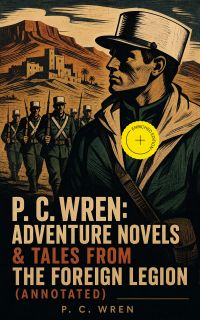
P. C. Wren: Adventure Novels & Tales From the Foreign Legion (Annotated)P. C. Wren44h 35min$2 · $0.00
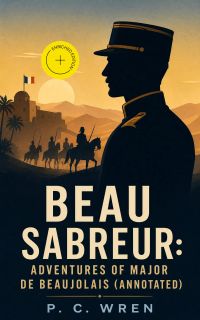
BEAU SABREUR: Adventures of Major De Beaujolais (Annotated)P. C. Wren12h 3min$2 · $0.00
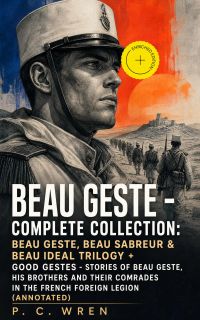
BEAU GESTE - Complete Collection: Beau Geste, Beau Sabreur & Beau Ideal TRILOGY + Good Gestes - Stories of Beau Geste, His Brothers and Their Comrades in the French Foreign Legion (Annotated)P. C. Wren48h 10min4.3 (124)$2 · $0.00
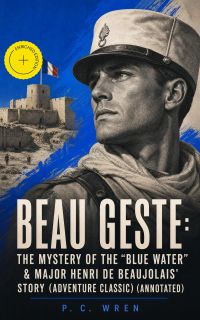
BEAU GESTE: The Mystery of the "Blue Water" & Major Henri de Beaujolais' Story (Adventure Classic) (Annotated)P. C. Wren17h 2min4.0 (11.6K)$2 · $0.00
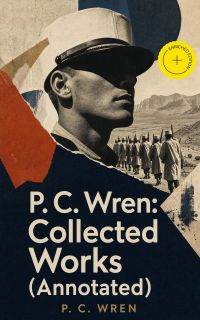
P. C. Wren: Collected Works (Annotated)P. C. Wren44h 34min$2 · $0.00
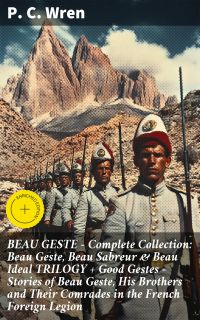
BEAU GESTE - Complete Collection: Beau Geste, Beau Sabreur & Beau Ideal TRILOGY + Good Gestes - Stories of Beau Geste, His Brothers and Their Comrades in the French Foreign LegionP. C. Wren48h4.3 (60)$1 · $0.00

The Beau Geste Trilogy - Complete CollectionP. C. Wren47h 59min4.1 (86)$1 · $0.00
Beau Sabreur - Complete Adventures of Major De BeaujolaisP. C. Wren12h 6min3.9 (774)$1.99 · $0.00

Cupid in Africa - The Baking of Bertram in Love and War (Adventure Classic) (Annotated)P. C. Wren10h 59min3.8 (13)$2 · $0.00

The Adventures of Major De BeaujolaisP. C. Wren11h 8min4.0 (216)$2 · $0.00
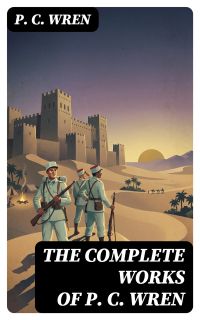
The Complete Works of P. C. WrenP. C. Wren102h$2 · $0.00

The Ghost by the Billabong (The Matilda Saga, #5)Jackie French14h 58min4.6 (773)$33 · $0.00
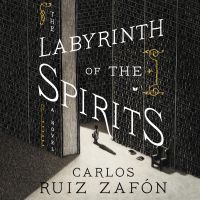
The Labyrinth of the SpiritsCarlos Ruiz Zafon27h 55min4.5 (77.2K)$53 · $0.00

ShivajiRanjit Desai25h 13min4.6 (3.1K)$24 · $0.00
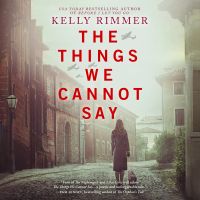
The Things We Cannot SayKelly Rimmer13h 48min4.5 (359.1K)$33 · $0.00

Lieutenant Hornblower (Annotated)C. S. Forester11h 41min4.5 (2.9K)$2 · $0.00
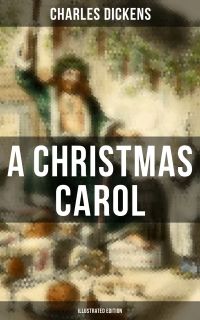
A Christmas Carol (Illustrated Edition)Charles Dickens3h 23min4.5 (21.2K)$1.99 · $0.00

Rilla of InglesideLucy Maud Montgomery11h 44min4.5 (48.2K)$2 · $0.00
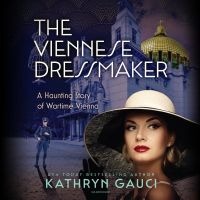
The Viennese DressmakerKathryn Gauci11h 46min4.5 (2.1K)$23 · $0.00
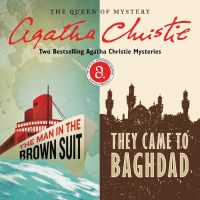
The Man in the Brown Suit & They Came to BaghdadAgatha Christie15h 43min4.6 (495)$33 · $0.00

Under the Light of the Italian MoonJennifer Anton12h 28min4.5 (5.3K)$23 · $0.00

Jubilee, 50th Anniversary EditionMargaret Walker15h 43min4.5 (9.5K)$25 · $0.00
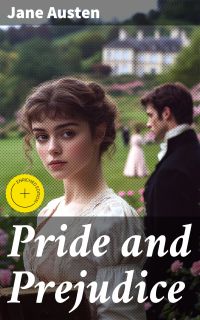
Pride and PrejudiceJane Austen14h 44min4.4 (4.7M)$2 · $0.00

Flying Colours (Annotated)Cecil Louis Troughton Smith9h 26min4.4 (10.1K)$2 · $0.00
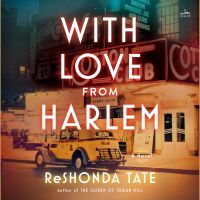
With Love from HarlemReShonda Tate13h 48min4.5 (2K)$6 · $0.00
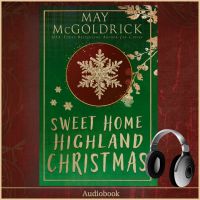
Sweet Home Highland ChristmasMay McGoldrick, Jan Coffey2h 54min4.5 (1.4K)$7 · $0.00
Rilla of InglesideL. M. Montgomery12h 25min4.4 (67.5K)$2 · $0.00
Death Comes for the Archbishop (Annotated)Willa Cather9h 13min4.4 (4.7K)$2 · $0.00
The Long FallPenelope Wilcock8h 5min4.5 (458)$20 · $0.00
The Alice NetworkKate Quinn15h 7min4.4 (887.1K)$33 · $0.00

The Goddess of WarsawLisa Barr13h 4min4.4 (36.4K)$33 · $0.00
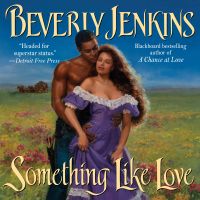
Something Like LoveBeverly Jenkins10h 21min4.6 (2.7K)$29 · $0.00
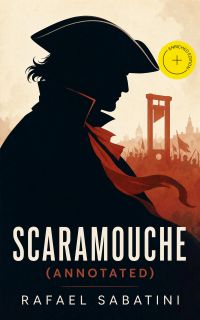
Scaramouche (Annotated)Rafael Sabatini15h 24min4.6 (1.8K)$2 · $0.00

Jubal Stone: U.S. Marshal: Blood Trail To Hell: A Western Adventure NovelCasey Nash3h 42min4.6 (3.2K)$18 · $0.00
The Labyrinth of the SpiritsCarlos Ruiz Zafon27h 55min4.5 (77.2K)$53 · $0.00
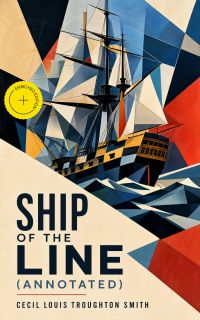
Ship of the Line (Annotated)Cecil Louis Troughton Smith11h 13min4.6 (1K)$2 · $0.00
ShivajiRanjit Desai25h 13min4.6 (3.1K)$24 · $0.00
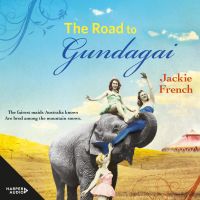
The Road to Gundagai (The Matilda Saga, #3)Jackie French12h 31min4.6 (1.2K)$33 · $0.00
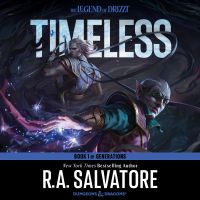
TimelessR. A. Salvatore12h 30min4.5 (8K)$33 · $0.00
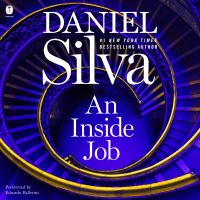
An Inside JobDaniel Silva9h 28min4.4 (26.3K)$29 · $0.00
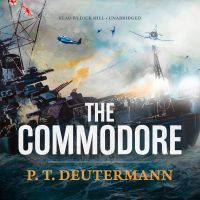
The CommodoreP. T. Deutermann11h 53min4.5 (2.4K)$20 · $0.00

A Closed and Common OrbitBecky Chambers11h 30min4.4 (140.7K)$29 · $0.00
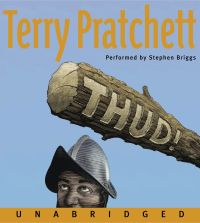
Thud!Terry Pratchett10h 31min4.4 (112.6K)$8 · $0.00
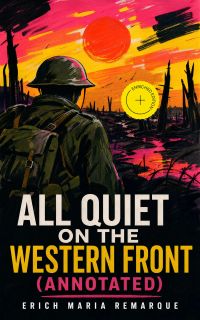
All Quiet on the Western Front (Annotated)Erich Maria Remarque8h 34min4.4 (12.9K)$1.99 · $0.00
Exit FeeBrad Taylor3h 16min4.5 (1.9K)$18 · $0.00
The Alice NetworkKate Quinn15h 7min4.4 (887.1K)$33 · $0.00

The Ohio River Trilogy: Betty Zane, The Spirit of the Border & The Last TrailZane Grey29h 8min4.4 (1.8K)$1 · $0.00
A Darkness ReturnsRaymond E. Feist19h 29min4.4 (1.9K)$40 · $0.00
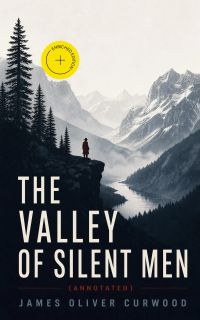
THE VALLEY OF SILENT MEN (Annotated)James Oliver Curwood8h 25min4.5 (420)$2 · $0.00
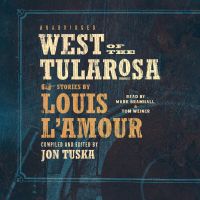
West of the TularosaLouis L’Amour5h 53min4.4 (3.6K)$20 · $0.00

The Emperor's FistJay Allan8h 37min4.5 (272)$26 · $0.00
Você também pode gostar

The Dead SecretWilkie Collins15h 30min3.8 (3.7K)$1.20 · $0.00
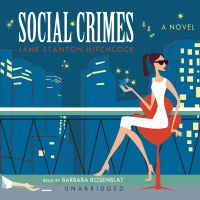
Social CrimesJane Stanton Hitchcock11h 50min3.6 (2.7K)$23

The FianceeKate White9h 45min3.6 (9.4K)$29 · $0.00
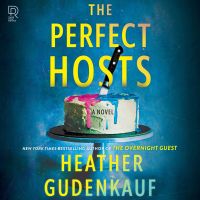
The Perfect HostsHeather Gudenkauf10h3.7 (12.8K)$29 · $0.00

The Woman in WhiteWilkie Collins26h 29min4.1 (216.4K)$1.20 · $0.00
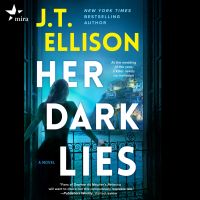
Her Dark LiesJ.T. Ellison11h 55min3.7 (23.5K)$29 · $0.00

Little Deadly SecretsPamela Crane9h 45min3.8 (5.2K)$29 · $0.00
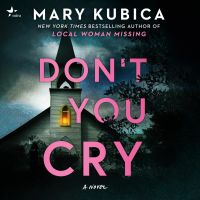
Don't You CryMary Kubica10h 31min3.7 (93K)$29 · $0.00
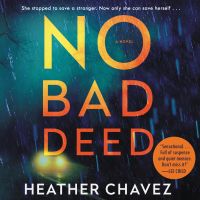
No Bad DeedHeather Chavez9h 52min3.7 (11K)$5 · $0.00
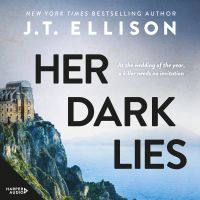
Her Dark LiesJ.T. Ellison11h 55min3.7 (26.6K)$29 · $0.00
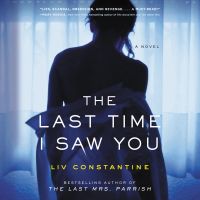
The Last Time I Saw YouLiv Constantine8h 39min3.7 (40.9K)$26 · $0.00
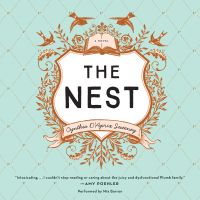
The NestCynthia D'Aprix Sweeney11h 7min3.6 (222K)$29 · $0.00
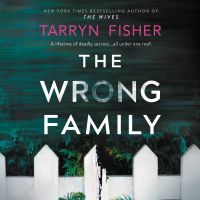
The Wrong FamilyTarryn Fisher8h 59min3.7 (102.1K)$29 · $0.00
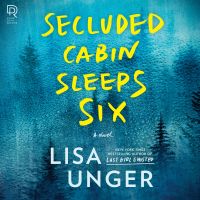
Secluded Cabin Sleeps SixLisa Unger12h 21min3.7 (191.2K)$29 · $0.00
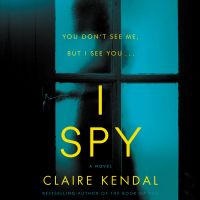
I SpyClaire Kendal13h 21min3.7 (1.7K)$33 · $0.00
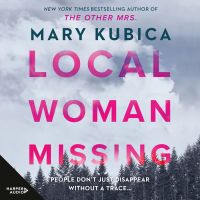
Local Woman MissingMary Kubica11h 41min4.1 (945.4K)$29 · $0.00
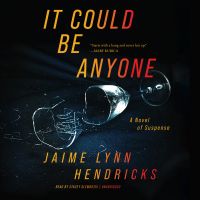
It Could Be AnyoneJaime Lynn Hendricks9h 5min3.7 (3.2K)$20 · $0.00
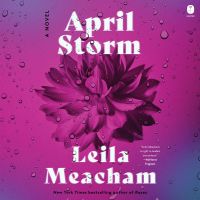
April StormLeila Meacham6h 59min3.8 (1.3K)$7 · $0.00
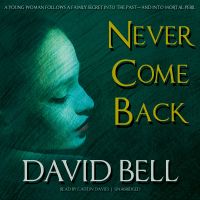
Never Come BackDavid Bell10h 56min3.9 (3K)$23

MadamMrs. Oliphant17h 28min$2 · $0.00