
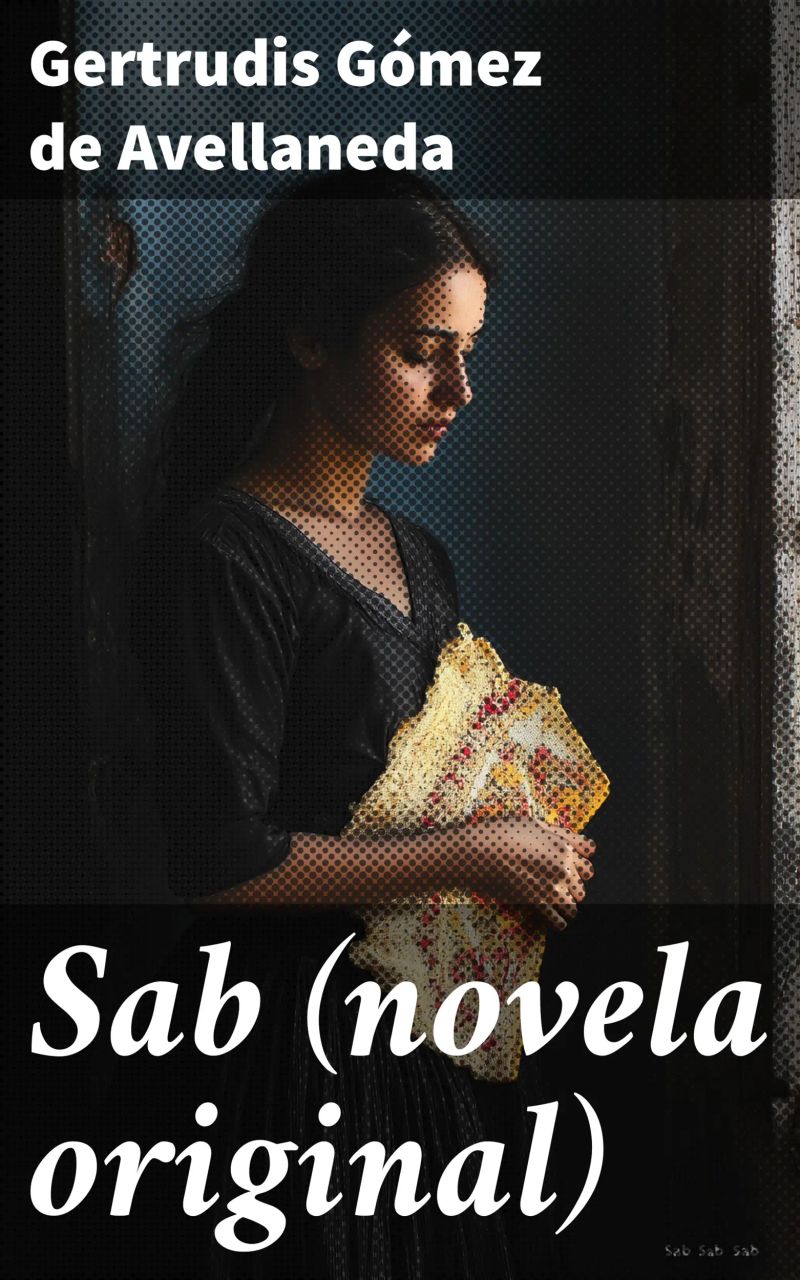
Bill Porter
A drama of O. Henry in prisonDe Upton Sinclair


Duração4h 15m
Sobre este audiolivro
In "Bill Porter," Upton Sinclair presents a poignant narrative that sheds light on the struggles faced by the working class in early 20th-century America. Through the life of Bill Porter, a fictionalized character often reflective of Sinclair's own socialist ideals, the novel explores themes of labor rights, societal inequity, and the human spirit's resilience against systemic oppression. Sinclair's stylistic approach blends vivid realism with a compelling character study, positioning the work amidst the era's literary movements that highlighted social reform, thereby contributing to the broader discourse on capitalism's impact on the individual. Upton Sinclair, a prominent novelist and social activist, was deeply influenced by the socioeconomic issues of his time. His experiences as a journalist and his observations of the labor movements informed his writing, including his renowned investigative work in the meatpacking industry, which culminated in "The Jungle." Sinclair's fervent advocacy for social justice is palpable in "Bill Porter," as he seeks to illuminate the struggles of workers and challenge the status quo through narrative fiction, evocatively capturing their plight with empathy and insight. Readers drawn to historical fiction, social critique, and the exploration of human perseverance will find "Bill Porter" an invaluable addition to their literary repertoire. Sinclair's compelling storytelling not only entertains but also educates, urging contemporary audiences to reflect on the ongoing relevance of these themes in today's society.
Detalhes do audiolivro
GêneroBiography and Memoir
Duração4 h 15 min
Narrado porOuça com mais de 1.000 vozes
FormatoeBook com áudio
Data de publicação24 de abr. de 2025
IdiomaInglês
Sumário
1DOS PALABRAS AL LECTOR
10CAPITULO IX
2CAPITULO I
11CAPITULO X
3CAPITULO II
12CAPITULO XI
4CAPITULO III
13CAPITULO I
5CAPITULO IV
14CAPITULO II
Mostrar todos os capítulosVer menos
6CAPITULO V
15CAPITULO III
7CAPITULO VI
16CAPITULO IV
8CAPITULO VII
17CAPITULO V
9CAPITULO VIII
18CONCLUSION

The JungleUpton Sinclair17h 7min4.0 (200.7K)$1.99 · $0.00

100%Upton Sinclair8h 42min4.0 (127)$24 · $0.00

The Goose-step: A Study of American Education (Annotated)Upton Sinclair23h 18min$2 · $0.00

The Jungle (Annotated)Upton Sinclair17h 17min4.0 (97)$2 · $0.00
A Captain of Industry: Being the Story of a Civilized Man (Annotated)Upton Sinclair3h 49min3.6 (40)$2 · $0.00
UPTON SINCLAIR Ultimate Collection: 30+ Books in One Volume (Annotated)Upton Sinclair221h 40min4.5 (22)$2 · $0.00

THE JUNGLE & OTHER BOOKS (8 Titles in One Volume) (Annotated)Upton Sinclair98h 10min$2 · $0.00
A Deep Analytic Retelling of The JungleUpton Sinclair3h 44min$7 · $0.00

100%: The Story of a PatriotUpton Sinclair11h 36min3.6 (117)$1 · $0.00

THE FASTING CUREUpton Sinclair3h 46min4.0 (633)$1 · $0.00
A Prisoner of Morro; Or, In the Hands of the EnemyUpton Sinclair7h 10min3.2 (22)$2 · $0.00
A Captain of IndustryUpton Sinclair2h 13min3.7 (143)$2 · $0.00

The NaturewomanUpton Sinclair2h 9min3.2 (34)$2 · $0.00
UPTON SINCLAIR: 29 Books in One VolumeUpton Sinclair222h 20min$1 · $0.00

King CoalUpton Sinclair13h 34min4.0 (1.4K)$2 · $0.00
Prince HagenUpton Sinclair2h 14min3.3 (27)$2 · $0.00
The Profits of ReligionUpton Sinclair10h 52min4.0 (1.6K)$1 · $0.00
The Pot BoilerUpton Sinclair2h 49min$2 · $0.00
The Journal of Arthur Stirling : ("The Valley of the Shadow")Upton Sinclair5h 45min3.6 (128)$2 · $0.00
The Autobiography of Upton SinclairUpton Sinclair12h 7min4.1 (83)$2 · $0.00

Matters of the HeartJacinta Nampijinpa Price9h 35min4.8 (359)$29 · $0.00
The StepsSylvester Stallone9h 4min4.8 (637)$29 · $0.00

How to Test Negative for StupidJohn Kennedy8h 13min4.7 (9.7K)$28 · $0.00
Bad Fat Black GirlSesali Bowen6h 32min4.7 (2.8K)$24 · $0.00

Send MeMarty Skovlund, Joe Kent8h 10min4.7 (1.6K)$26 · $0.00
John Muir: The Story of My Boyhood and Youth & Letters to a Friend (Annotated)John Muir10h 13min4.7 (1.1K)$1.99 · $0.00

Invisible StormJason Kander6h 48min4.7 (3.2K)$24 · $0.00

Forever BoyKate Swenson9h 27min4.7 (5K)$29 · $0.00

You Are Worth ItKyle Carpenter, Don Yaeger8h 53min4.7 (4.8K)$29 · $0.00

The Happiest Man on EarthEddie Jaku3h 48min4.6 (178K)$7 · $0.00
MotherlandJulia Ioffe17h 52min4.7 (2.5K)$40 · $0.00
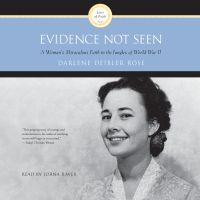
Evidence Not SeenDarlene Deibler Rose11h 11min4.6 (11.9K)$29 · $0.00

Where Cowards Go to DieBenjamin Sledge8h 42min4.7 (351)$20 · $0.00

Will You Love Me?Cathy Glass9h 5min4.6 (9.3K)$29 · $0.00

Designing Terry Pratchett’s DiscworldPaul Kidby3h 52min4.7 (343)$20 · $0.00

HostageEli Sharabi5h 25min4.6 (10.8K)$24 · $0.00

Finding MeViola Davis9h 15min4.6 (256.4K)$29 · $0.00

The Dangerous Truth about Today’s MarijuanaLaura Stack CSP, MBA9h 57min4.7 (385)$20 · $0.00

Birdie & HarlowTaylor Wolfe7h 50min4.6 (6.5K)$26 · $0.00
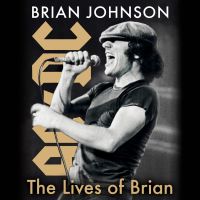
The Lives of BrianBrian Johnson9h 45min4.6 (3.5K)$29 · $0.00
Você também pode gostar

The Able McLaughlins (Annotated)Margaret Wilson7h 46min3.7 (1.8K)$1.99 · $0.00
The Scarlet LetterNathaniel Hawthorne6h 7min3.7 (1M)$11 · $0.00

The Exemplary Novels of CervantesMiguel de Cervantes19h 21min3.7 (1.9K)$1 · $0.00

Dimanche and Other StoriesIrène Némirovsky8h 21min4.0 (1.3K)$17 · $0.00

My Secret to KeepBarbara Conrey9h 24min4.4 (734)$20 · $0.00

The Age of Innocence (Annotated)Edith Wharton13h 4min4.1 (236K)$2 · $0.00
Edith Wharton: New Year's Day, False Dawn, The Old Maid & The Spark (4 Books in One Edition)Edith Wharton10h 3min4.1 (3.2K)$1.99 · $0.00

Clotelle A Tale of the Southern StatesWilliam Wells Brown4h 38min3.7 (2.8K)$2.30
Poor Folk and Other Stories (Unabridged)Fyodor Dostoyevsky21h 29min4.0 (1.7K)$2 · $0.00

The Tenant of Wildfell HallAnne Brontë18h 52min4.3 (191K)$13 · $0.00

Adam BedeGeorge Eliot22h 17min3.9 (31.9K)$3.50 · $0.00
Tales of Old New YorkEdith Wharton10h 2min4.1 (3.8K)$1.99 · $0.00

A Woman of Thirty (Annotated)Honoré de Balzac9h 14min3.6 (7.8K)$2 · $0.00
The Hunchback of Notre-DameVictor Hugo21h 32min4.1 (255.9K)$12 · $0.00

The Purple DiariesJoseph B. Egan8h 44min4.0 (1.5K)$20
The Gentleman from San Francisco, and Other StoriesIvan Alekseevich Bunin2h 8min4.0 (2.6K)$2

Gobseck & At the Sign of the Cat and RacketHonoré de Balzac4h 46min$2.30

Rhoda Fleming — CompleteGeorge Meredith16h 59min3.5 (24)$2 · $0.00

The Lambs of LondonPeter Ackroyd6h 49min3.2 (2.9K)$17 · $0.00

The Jews of Barnow: StoriesKarl Emil Franzos8h 49min4.2 (10)$1 · $0.00