
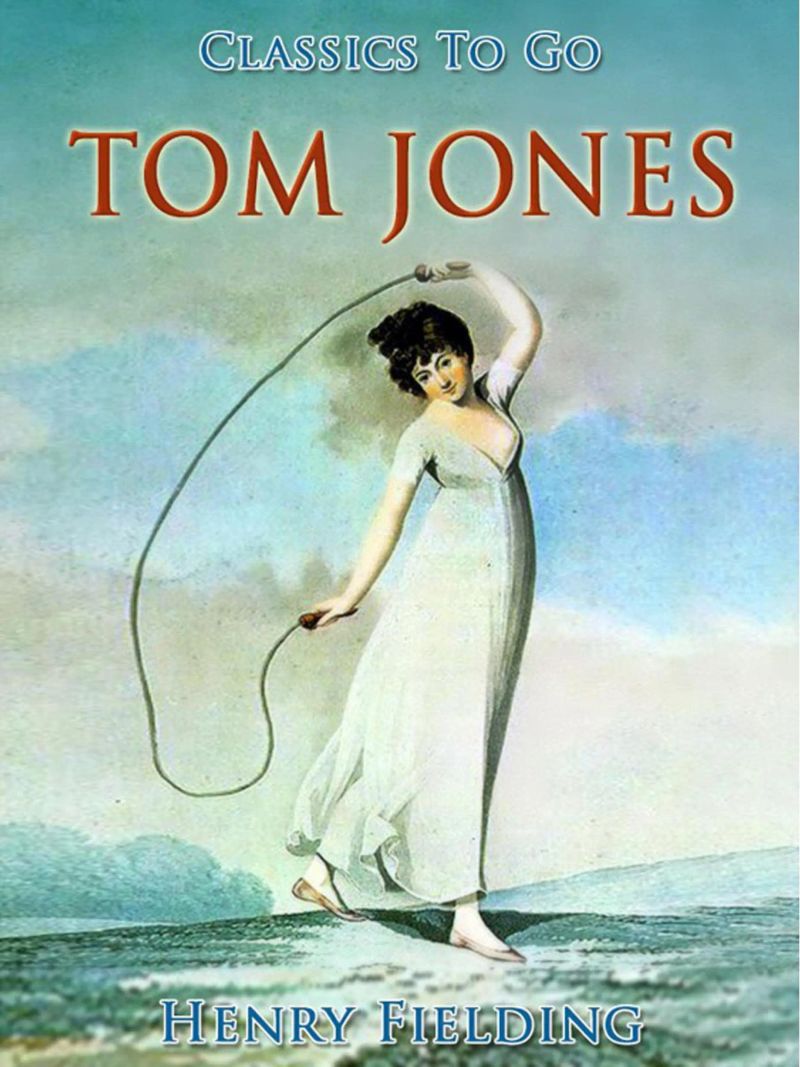


Length37h 2m
About this audiobook
Henry Fielding (22 April 1707 – 8 October 1754) was an English novelist and dramatist known for his rich earthy humour and satirical prowess, and as the author of the novel Tom Jones. The History of Tom Jones, a Foundling, often known simply as "Tom Jones", is a comic novel by the English playwright and novelist Henry Fielding. The novel is both a Bildungsroman and a picaresque novel. (Excerpt from Wikipedia)
Audiobook details
Rating★★★★ 3.9 (49.2K)
Includes Goodreads, LibraryThing, Amazon, StoryGraph
GenreGeneral Fiction
Length37 hrs 2 mins
Narrated byListen with 1,000+ voices
FormateBook with Audio
Publish dateJan 31, 2016
LanguageEnglish
Table of contents
1TOM JONES
2BOOK I. — CONTAINING AS MUCH OF THE BIRTH OF THE FOUNDLING AS IS NECESSARY OR PROPER TO ACQUAINT THE READER WITH IN THE BEGINNING OF THIS HISTORY.
3Chapter i. — The introduction to the work, or bill of fare to the feast.
4Chapter ii. — A short description of squire Allworthy, and a fuller account of Miss Bridget Allworthy, his sister.
5Chapter iii. — An odd accident which befel Mr Allworthy at his return home. The decent behaviour of Mrs Deborah Wilkins, with some proper animadversions on bastards.
Show all chaptersShow less
6Chapter iv. — The reader's neck brought into danger by a description; his escape; and the great condescension of Miss Bridget Allworthy.
7Chapter v. — Containing a few common matters, with a very uncommon observation upon them.
8Chapter vi. — Mrs Deborah is introduced into the parish with a simile. A short account of Jenny Jones, with the difficulties and discouragements which may attend young women in the pursuit of learning.
9Chapter vii. — Containing such grave matter, that the reader cannot laugh once through the whole chapter, unless peradventure he should laugh at the author.
10Chapter viii. — A dialogue between Mesdames Bridget and Deborah; containing more amusement, but less instruction, than the former.
11Chapter ix. — Containing matters which will surprize the reader.
12Chapter x. — The hospitality of Allworthy; with a short sketch of the characters of two brothers, a doctor and a captain, who were entertained by that gentleman.
13Chapter xi. — Containing many rules, and some examples, concerning falling in love: descriptions of beauty, and other more prudential inducements to matrimony.
14Chapter xii. — Containing what the reader may, perhaps, expect to find in it.
15Chapter xiii. — Which concludes the first book; with an instance of ingratitude, which, we hope, will appear unnatural.
16BOOK II. — CONTAINING SCENES OF MATRIMONIAL FELICITY IN DIFFERENT DEGREES OF LIFE; AND VARIOUS OTHER TRANSACTIONS DURING THE FIRST TWO YEARS AFTER THE MARRIAGE BETWEEN CAPTAIN BLIFIL AND MISS BRIDGET ALLWORTHY.
17Chapter i. — Showing what kind of a history this is; what it is like, and what it is not like.
18Chapter ii. — Religious cautions against showing too much favour to bastards; and a great discovery made by Mrs Deborah Wilkins.
19Chapter iii. — The description of a domestic government founded upon rules directly contrary to those of Aristotle.
20Chapter iv. — Containing one of the most bloody battles, or rather duels, that were ever recorded in domestic history.
21Chapter v. — Containing much matter to exercise the judgment and reflection of the reader.
22Chapter vi. — The trial of Partridge, the schoolmaster, for incontinency; the evidence of his wife; a short reflection on the wisdom of our law; with other grave matters, which those will like best who understand
23Chapter vii. — A short sketch of that felicity which prudent couples may extract from hatred: with a short apology for those people who overlook imperfections in their friends.
24Chapter viii. — A receipt to regain the lost affections of a wife, which hath never been known to fail in the most desperate cases.
25Chapter ix. — A proof of the infallibility of the foregoing receipt, in the lamentations of the widow; with other suitable decorations of death, such as physicians, &c., and an epitaph in the true stile.
26BOOK III. — CONTAINING THE MOST MEMORABLE TRANSACTIONS WHICH PASSED IN THE FAMILY OF MR ALLWORTHY, FROM THE TIME WHEN TOMMY JONES ARRIVED AT THE AGE OF FOURTEEN, TILL HE ATTAINED THE AGE OF NINETEEN. IN THIS BOOK: THE READER MAY PICK UP SOME HINTS CONCERNING THE EDUCATION OF CHILDREN.
27Chapter i. — Containing little or nothing.
28Chapter ii. — The heroe of this great history appears with very bad omens. A little tale of so LOW a kind that some may think it not worth their notice. A word or two concerning a squire, and more relating to a gamekeeper and a schoolmaster.
29Chapter iii. — The character of Mr Square the philosopher, and of Mr Thwackum the divine; with a dispute concerning——
30Chapter iv. — Containing a necessary apology for the author; and a childish incident, which perhaps requires an apology likewise.
31Chapter v. — The opinions of the divine and the philosopher concerning the two boys; with some reasons for their opinions, and other matters.
32Chapter vi. — Containing a better reason still for the before-mentioned opinions.
33Chapter vii. — In which the author himself makes his appearance on the stage.
34Chapter viii. — A childish incident, in which, however, is seen a good-natured disposition in Tom Jones.
35Chapter ix. — Containing an incident of a more heinous kind, with the comments of Thwackum and Square.
36Chapter x. — In which Master Blifil and Jones appear in different lights.
37BOOK IV. — CONTAINING THE TIME OF A YEAR.
38Chapter i. — Containing five pages of paper.
39Chapter ii. — A short hint of what we can do in the sublime, and a description of Miss Sophia Western.
40Chapter iii. — Wherein the history goes back to commemorate a trifling incident that happened some years since; but which, trifling as it was, had some future consequences.
41Chapter iv. — Containing such very deep and grave matters, that some readers, perhaps, may not relish it.
42Chapter v. — Containing matter accommodated to every taste.
43Chapter vi. — An apology for the insensibility of Mr Jones to all the charms of the lovely Sophia; in which possibly we may, in a considerable degree, lower his character in the estimation of those men of wit and
44Chapter vii. — Being the shortest chapter in this book.
45Chapter viii. — A battle sung by the muse in the Homerican style, and which none but the classical reader can taste.
46Chapter ix. — Containing matter of no very peaceable colour.
47Chapter x. — A story told by Mr Supple, the curate. The penetration of Squire Western. His great love for his daughter, and the return to it made by her.
48Chapter xi. — The narrow escape of Molly Seagrim, with some observations for which we have been forced to dive pretty deep into nature.
49Chapter xii. — Containing much clearer matters; but which flowed from the same fountain with those in the preceding chapter.
50Chapter xiii. — A dreadful accident which befel Sophia. The gallant behaviour of Jones, and the more dreadful consequence of that behaviour to the young lady; with a short digression in favour of the female sex. —
Series

WhistlerAnn Patchett10h 45m4.6 (4.6K)$29 · $0.00
Demon CopperheadBarbara Kingsolver21h 3m4.5 (949.4K)$46 · $0.00

To Kill a MockingbirdHarper Lee12h 18m4.5 (7.4M)$29 · $0.00

Remarkably Bright CreaturesShelby Van Pelt11h 17m4.4 (1.7M)$29 · $0.00
Cast in BloodMichelle Sagara16h 35m4.6 (607)$33 · $0.00
The Captain Blood Trilogy (Annotated)Rafael Sabatini29h 20m4.6 (1K)$3 · $0.00

Ship of the Line (Annotated)Cecil Louis Troughton Smith11h 13m4.6 (1K)$2 · $0.00

The George Orwell CollectionGeorge Orwell24h 46m4.5 (14.4K)$12 · $0.00
Time RegainedMarcel Proust15h 38m4.5 (9.2K)$2 · $0.00

Driving ForceElle James4h 58m4.6 (407)$20 · $0.00

When God Calls the HeartBrian Bird, Michelle Cox3h 24m4.6 (439)$10 · $0.00

Five Little IndiansMichelle Good10h 34m4.5 (64.5K)$29 · $0.00
Lolth's WarriorR. A. Salvatore13h 20m4.6 (2.4K)$33 · $0.00

The Things We Cannot SayKelly Rimmer13h 48m4.5 (359.1K)$33 · $0.00

The Love Songs of W.E.B. Du BoisHonoree Fanonne Jeffers29h 49m4.5 (58K)$8 · $0.00
Going PostalTerry Pratchett11h 23m4.5 (189.9K)$29 · $0.00

Glen AffricKarine Giebel22h 51m4.5 (3.2K)$46 · $0.00
The Book Of NegroesLawrence Hill15h 45m4.5 (107.3K)$33 · $0.00
Anne of Green GablesL. M. Montgomery11h 1m4.5 (1.2M)$2.30 · $0.00

Lieutenant Hornblower (Annotated)C. S. Forester11h 41m4.5 (2.9K)$2 · $0.00
You may also like
Tom JonesHenry Fielding5h 15m3.9 (44.9K)$17

The Complete Jaipur TrilogyAlka Joshi33h 44m4.6 (1.3K)$53 · $0.00

History of Tom Jones, a FoundlingHenry Fielding38h 52m3.9 (48K)$1 · $0.00
History of Tom Jones, a FoundlingHenry Fielding39h 5m4.0 (44.6K)$2 · $0.00
The Spinster's Guide to Scandalous BehaviorJennifer McQuiston13h 36m3.8 (2.3K)$33 · $0.00
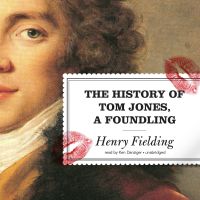
The History of Tom Jones, a FoundlingHenry Fielding35h 54m3.9 (46.3K)$40

Felix Holt, the RadicalGeorge Eliot19h 42m3.7 (7.7K)$2.30

Felix Holt, the RadicalGeorge Eliot15h 38m3.7 (6.3K)$1 · $0.00
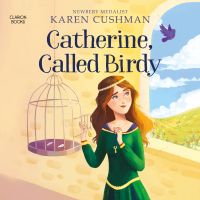
Catherine, Called BirdyKaren Cushman5h 15m4.0 (54.1K)$24 · $0.00

The Master of BallantraeRobert Louis Stevenson8h 16m3.9 (8.6K)$17

Northanger AbbeyJane Austen8h 25m4.0 (577.3K)$2.30 · $0.00
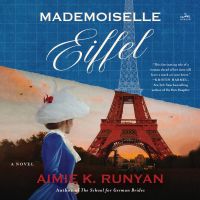
Mademoiselle EiffelAimie K. Runyan11h 16m3.9 (1.5K)$29 · $0.00
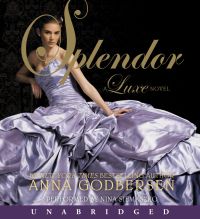
SplendorAnna Godbersen8h 54m4.0 (23.3K)$29 · $0.00

Flame Tree RoadShona Patel10h 27m3.9 (1K)$25 · $0.00
Cousin HenryAnthony Trollope7h 23m3.7 (1.8K)$2.30
The AbsenteeMaria Edgeworth10h 50m3.7 (2.7K)$2 · $0.00
LucindaAnthony Hope9h 37m3.1 (10)$2 · $0.00
The Man of IronRichard Dehan25h 36m3.4 (18)$2 · $0.00

Renée MauperinJules de Goncourt, Edmond de Goncourt7h 31m3.5 (45)$1 · $0.00
The Athelings or The Three GiftsMrs Oliphant17h 48m$2.30