
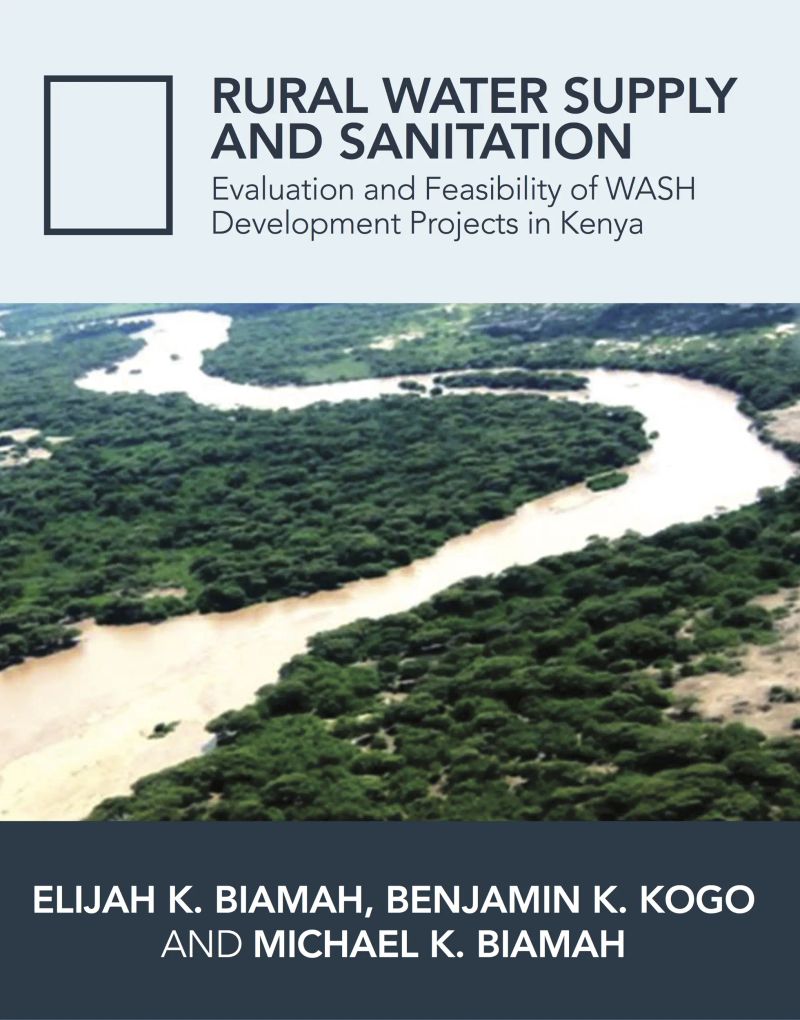
Rural Water Supply and Sanitation
Evaluation and Feasibility of WASH Development Projects in KenyaBy Prof. Elijah K. Biamah


Length4h 57m
About this audiobook
"This publication is expected to provide insights into the present water supply and sanitation in rural Kenya by identifying potential cost-effective sources of community water supply systems; determining the current water demand and assessing the capacity of existing water supplies; recommending possible and viable solutions to community sanitation problems; identifying existing structures for water development in rural communities and areas of collaboration with other players in the water sector; and determining the extent of environmental degradation in water catchments and recommending possible remedies. This publication will form the basis for effective planning, monitoring, and evaluation of water supply and sanitation development projects in rural Kenya.
The focus of this publication is on the sustainability of water supply systems and sanitation that have been realized by water development projects in rural Kenya. It attempts to look into proposed and completed projects with a view to improving the implementation and sustainability of development project activities. It also attempts to look at sustainability through a transition strategy where the local non-governmental organizations (NGOs) community-based organizations (CBOs), faith-based organizations (FBOs) and Water Users Committees (WUCs) would take charge of water supply systems. An increased local capacity building through training, formulation and enforcement of water management by-laws would ensure the sustainability of the operation and maintenance of developed water sources."
Audiobook details
GenreTechnology
Length4 hrs 57 mins
Narrated byListen with 1,000+ voices
FormateBook with Audio
Publish dateAug 8, 2012
LanguageEnglish
Table of contents
1Dedication
2Acknowledgements
3Acronyms and Abbreviations
4Foreword
5Preface
Show all chaptersShow less
61. Introduction
71.1 Evolution of Water and Sanitation Sector in Kenya
81.2 Emergence of Water Sector Reforms in Kenya
91.3 Information on WASH in Kenya
102. Water Supply and Sanitation in Makueni County
112.2 Household Impact Assessment in Makueni
122.3 Sustainability of WASH Activities in Makueni
133. Water Supply and Sanitation in Kilifi and Samburu Counties
143.3 Counties Backgrounds
153.4 Household Impact Assessments
163.5 Sustainability of Water and Sanitation Activities
174. Water Supply and Sanitation in Turkana County
184.3 County Background
194.4 Household Impact Assessment
204.5 Sustainability of WASH Activities
215. Feasibility of Water Supply and Sanitation in Mutomo, Kitui County
225.1 Background of Mutomo
235.2 Environmental Degradation in Mutomo
245.3 Water Supply and Sanitation in Mutomo
255.4 Profiles of Water Supply Projects in Mutomo
266. Feasibility of Water Supply and Sanitation in WEMA, Nakuru County
276.1 Background of WEMA, Nakuru County
286.2 Environmental Degradation in WEMA
296.3 Water Supply and Sanitation in WEMA
306.4 Profiles of Water Supply Projects in WEMA
317. Feasibility of Water Supply and Sanitation in Osiligi, Kajiado County
327.1 Background of Osiligi, Kajiado County
337.2 Environmental Degradation in Osiligi
347.3 Sustainable Use of Natural Resources in Osiligi
357.4 Assessment of Water and Sanitation in Osiligi
367.5 Expected outcomes of a WATSAN Project in Osiligi
378. Feasibility of Water Supply and Sanitation in Soin, Elgeyo Marakwet County
388.1 Background of Soin, Elgeyo Marakwet County
398.2 Environmental Degradation in Soin
408.3 Sustainable Use of Natural Resources in Soin
418.4 Assessment of Water and Sanitation in Soin
428.5 WASH Issues and Constraints in Soin
438.6 Analysis of Potential Water Sources for Soin
448.7 Expected Outcomes of a WASH Project in Soin
458.8 Viability and Sustainability of Water Supply Systems in Soin
468.9 Implications of Water Sector Reforms on Water Supply Systems in Soin
47Selected References
Collected Writings of Nikola TeslaThomas Commerford Martin, Nikola Tesla19h 42m4.4 (2.8K)$1.99 · $0.00

Operation PedestalMax Hastings12h 29m4.4 (5.2K)$29 · $0.00

When the Heavens Went on SaleAshlee Vance18h 20m4.4 (3K)$40 · $0.00

Everybody Has a Podcast (Except You)Justin McElroy, Travis McElroy, Griffin McElroy5h 9m4.3 (2.3K)$24 · $0.00

Hands of TimeRebecca Struthers8h 8m4.4 (1.3K)$26 · $0.00
Never Lost AgainBill Kilday10h 1m4.4 (805)$29 · $0.00
How the Internet HappenedBrian McCullough13h 28m4.3 (2.7K)$23 · $0.00

Collected Writings of Nikola TeslaNikola Tesla, Thomas Commerford Martin21h 50m4.3 (1.7K)$1 · $0.00
Just AspireAjai Chowdhry9h 13m4.4 (260)$29 · $0.00

The Little Book of AliensAdam Frank8h 20m4.3 (1.3K)$26 · $0.00

The inventions, researches and writings of Nikola Tesla (Annotated)Thomas Commerford Martin16h 59m4.3 (1.3K)$2 · $0.00

KargilV.P. Malik15h 18m4.3 (2K)$24 · $0.00
Experiments with Alternating CurrentsNikola Tesla9h 16m4.3 (874)$1.99 · $0.00

Fire on the HorizonTom Shroder, John Konrad8h 23m4.3 (858)$26 · $0.00

The Smell of Kerosene (Annotated)National Aeronautics and Space Administration, Donald L. Mallick, Peter W. Merlin11h 32m4.3 (523)$2 · $0.00

The Boy Who Harnessed the WindWilliam Kamkwamba, Bryan Mealer10h 5m4.2 (78.9K)$29 · $0.00

Across the Airless WildsEarl Swift10h 8m4.3 (1.3K)$29 · $0.00

Console WarsBlake J. Harris20h 41m4.2 (13.7K)$46 · $0.00
Improvised Munitions HandbookU.S. Department of Defense4h 49m4.3 (1.6K)$1.99 · $0.00
Escaping GravityLori Garver10h 54m4.2 (2.2K)$20 · $0.00
You may also like
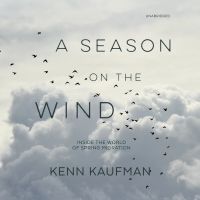
A Season on the WindKenn Kaufman8h 40m4.2 (963)$20

Farmers of Forty Centuries; Or, Permanent Agriculture in China, Korea, and JapanF. H. King10h 8m4.3 (1.8K)$1 · $0.00

The CanonNatalie Angier13h 16m3.9 (5.4K)$23

Life On Earth 40th Anniversary EditionSir David Attenborough12h 27m4.6 (6.5K)$29 · $0.00

Pete the Cat and the Itsy Bitsy SpiderJames Dean3m4.0 (2.3K)$4 · $0.00
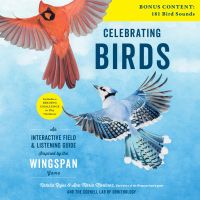
Celebrating BirdsNatalia Rojas, Ana Maria Martinez6h 47m4.6 (330)$24 · $0.00
Not Too Latevarious authors6h 38m4.1 (1.4K)$17

Short History of the World (Summarized Edition)H. G. Wells3h 22m4.0 (5.5K)$2
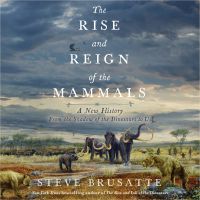
The Rise and Reign of the MammalsSteve Brusatte13h 26m4.4 (11.1K)$33 · $0.00

Island on FireAlexandra Witze, Jeff Kanipe6h 8m4.0 (1.2K)$17

Green Living for DummiesLiz Barclay3h 6m3.5 (124)$18 · $0.00

The West Indies: Being a Description of the Islands, Progress of Christianity, Education, and Liberty Among the Colored Population GenerallyMrs. Nancy Prince34m$2.30

UPSTAGED BY PEACOCKSWendy Macfee3h 53m$7 · $0.00
Why Businesses Fail? S01E09Amar Deshpande35m$4 · $0.00

Organic Burr GherkinMárcio Pereira54m$12 · $0.00

Organic Collard GreensMárcio Pereira53m$12 · $0.00

Organic TurnipMárcio Pereira52m$10 · $0.00

Wild Animals of North AmericaEdward William Nelson14h 20m$2 · $0.00

StabiliceSimon Evans14m$5 · $0.00
Sustainable Heating SystemEdson Schenkel1h 2m$28 · $0.00