
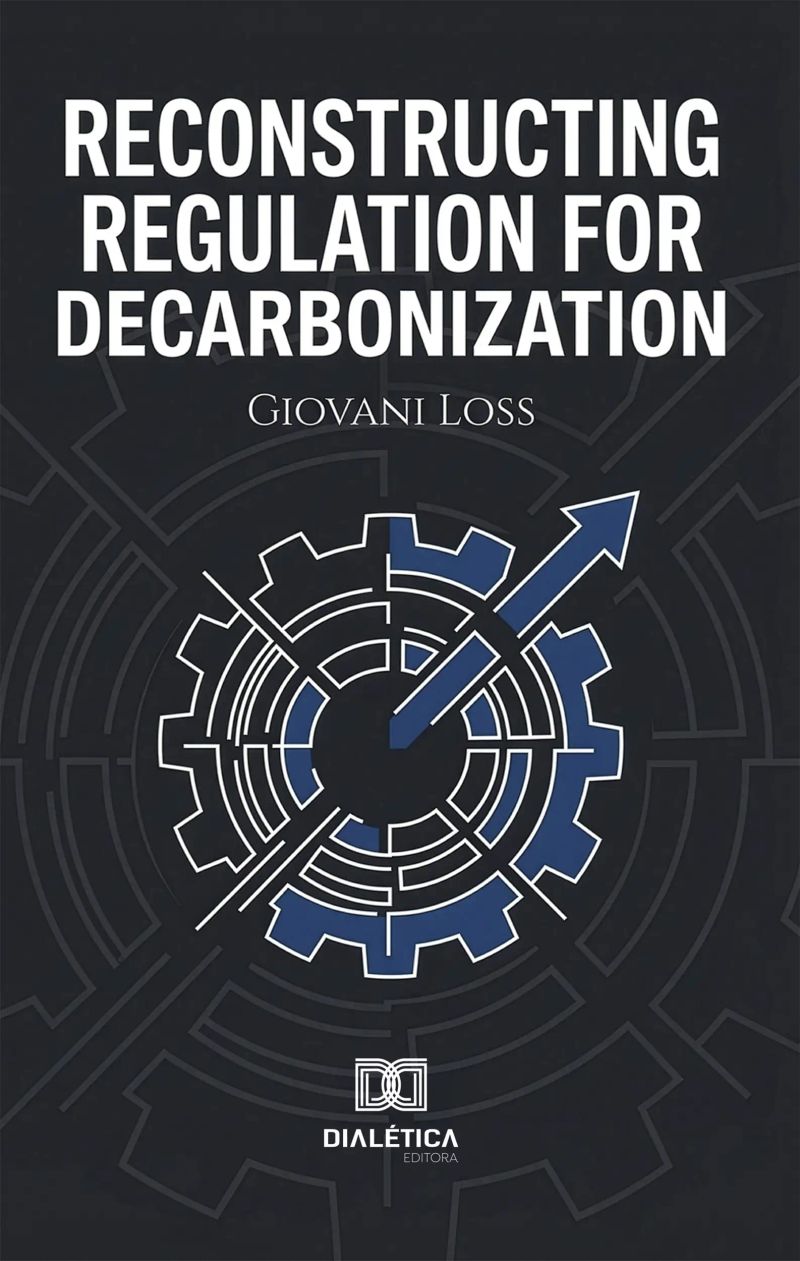
Reconstructing Regulation for Decarbonization
By Giovani Loss


Length10h 13m
About this audiobook
As the world accelerates toward a low‑carbon future, traditional regulatory models are proving insufficient to guide industries through the complexities of the global energy transition. This book offers a fresh, integrative perspective on how regulation can be reimagined to foster innovation, accountability, and long‑term sustainability across the energy sector.
Blending insights from governance, finance, reputation management, and technological development, the book explores four interconnected pillars of the transition. It examines how shared-ownership structures can strategically realign corporate behavior; how reputational pressure can drive genuine ESG practices; how financial instruments can stabilize legacy energy industries while encouraging sustainable evolution; and how venture capital partnerships can unlock breakthrough clean technologies.
With clear explanations and real-world examples, the book presents a comprehensive roadmap for redesigning regulatory frameworks that harmonize corporate incentives, market forces, and public policy. More than an academic analysis, it is a practical guide for leaders, policymakers, investors, and anyone seeking to understand and shape the future of global decarbonization.
Audiobook details
GenreBusiness and Economics
Length10 hrs 13 mins
Narrated byListen with 1,000+ voices
FormateBook with Audio
Publish dateMay 28, 2026
LanguageEnglish
Table of contents
1LIST OF ABBREVIATIONS AND ACRONYMS
21 INTRODUCTION
31.1 Framing the research problem
41.2 Intellectual context and theoretical anchors
51.3 Overview of the articles and the case of Brazil
Show all chaptersShow less
61.4 Methodology and analytical framework
71.5 Contribution to the literature and policy relevance
81.6 Structure of the Book
92 HOW TO REGULATE ELECTRICITY: CORPORATE GOVERNANCE AND ENERGY TRANSITION
102.1 Introduction
112.2 Electricity Regulation vs Energy Regulation
122.3 Regulating the electricity industry
132.4 United States’ electricity regulation model
142.5 Ownership of the electricity firm
152.6 Allocation of decision power and managerial incentives in electricity utilities
162.7 Shared-ownership structure in electricity utilities
172.7.1 Current solutions
182.7.2 New proposal
192.7.3 Arguments in favor of the new proposal
202.7.4 Benchmark and academic support
212.8 Conclusions
223 A BRIDGE BETWEEN THE 5TH AND 6TH WAVE OF INNOVATION: REPUTATIONAL REGULATION, THE PETROLEUM INDUSTRY AND ENERGY TRANSITION
233.1 Introduction
243.2 The effects of internet on corporate reputation
253.3 Corporate reputation and the petroleum industry
263.4 Reputation and the government
273.5 What is reputational regulation?
283.6 Reputational regulation, the petroleum industry and energy transition
293.7 The Trump factor
303.8 Conclusions
314 FINANCING THE PETROLEUM INDUSTRY IN AN ENERGY TRANSITION LANDSCAPE
324.1 Introduction
334.2 Petroleum industry and energy transition
344.3 Financing the petroleum industry
354.4 Green financing
364.5 Stock market and sustainability
374.6 Government financing and sustainability
384.7 The role of the NOCs
394.8 New oil and gas financing instruments and energy transition
404.8.1 Global investment trends in energy transition
414.8.2 Realistic Perspectives on Energy Transition
424.8.3 The Role of Oil and Gas Companies in Clean Energy Development
434.8.4 Sovereign Wealth Funds and Energy Transition
444.9 Conclusion
455 LEGAL PERSPECTIVES ON FOSTERING ENERGY TRANSITION THROUGH OIL AND GAS VENTURE CAPITAL
465.1 Introduction
475.2 New technologies and energy transition
485.3 Energy transition, research and development and the petroleum industry
495.4 The legal framework for supporting innovation in the energy transition
505.5 New technologies, government, NOCs and VC Initiatives
More from Giovani Loss

Never Split the DifferenceChris Voss, Tahl Raz8h 7m4.4 (277.7K)$26 · $0.00
The Intelligent Investor Rev Ed.Benjamin Graham17h 48m4.3 (191.5K)$40 · $0.00

The Hard Thing About Hard ThingsBen Horowitz7h 57m4.2 (134.3K)$26 · $0.00
Boundaries for LeadersHenry Cloud7h 36m4.3 (3.6K)$26 · $0.00

Eat It!Jordan Syatt, Michael Vacanti4h 40m4.6 (1.5K)$20 · $0.00

Progress and Poverty, Volumes I and II (Annotated)Henry George19h 21m4.6 (574)$1.99 · $0.00

Not Everything Counts but Everything Matters: The powerful and inspirational new book about leadership and achieving success from the visionary multi-premiership winning Panthers coachIvan Cleary6h 1m4.6 (680)$24 · $0.00

BuildTony Fadell11h 5m4.5 (14.3K)$8 · $0.00

The Joys Of CompoundingGautam Baid17h 34m4.5 (2.5K)$18 · $0.00
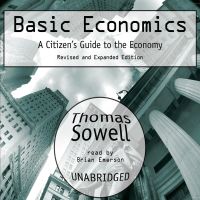
Basic EconomicsThomas Sowell18h 32m4.5 (29.3K)$28 · $0.00

The Ambuja StoryNarotam Sekhsaria13h 59m4.5 (830)$33 · $0.00

The Secret Door to SuccessFlorence Scovel Shinn2h 25m4.5 (2.1K)$1.20 · $0.00

This Is Going to HurtAdam Kay5h 47m4.4 (444.7K)$24 · $0.00

Big TrustShadé Zahrai, Fayçal Sekkouah8h 36m4.6 (406)$26 · $0.00
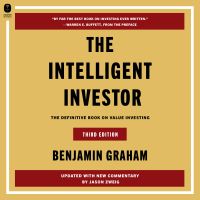
The Intelligent Investor Third EditionBenjamin Graham, Jason Zweig20h4.4 (156.6K)$46 · $0.00

Bottle of LiesKatherine Eban14h 25m4.4 (12K)$33 · $0.00

The Antiracist Business BookTrudi Lebrón6h 10m4.6 (275)$17 · $0.00
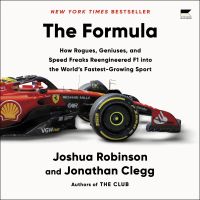
The FormulaJoshua Robinson, Jonathan Clegg10h 41m4.4 (6.9K)$29 · $0.00

Let Them LeadJohn U. Bacon7h 10m4.5 (1.4K)$24 · $0.00

Secrets of the Millionaire MindT. Harv Eker5h 11m4.4 (301.4K)$24 · $0.00
You may also like
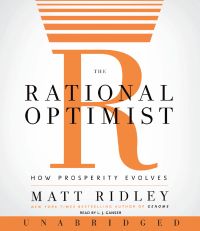
The Rational OptimistMatt Ridley13h 38m4.0 (31.5K)$8 · $0.00

Roads to Freedom: Socialism, Anarchism, and SyndicalismBertrand Russell6h 44m4.1 (1.1K)$1 · $0.00

A Walk Around the BlockSpike Carlsen9h 12m3.9 (1.7K)$29 · $0.00
ProgressJohan Norberg6h 57m4.2 (3.4K)$20 · $0.00

The Prosperity ParadoxClayton M. Christensen, Efosa Ojomo, Karen Dillon9h 38m4.4 (1.8K)$29 · $0.00
My life and workHenry Ford9h 42m4.2 (8.8K)$2.30 · $0.00

The Collected WorksNikola Tesla50h 9m4.3 (2.1K)$1 · $0.00

Play BiggerPlay Bigger, LLC, Dave Peterson, Christopher Lochhead, Kevin Maney8h 6m4.1 (3.7K)$26 · $0.00
Knowledge and PowerGeorge Gilder10h 10m4.1 (699)$23 · $0.00
Advantage India : From Challenge to OppourtunityA.P.J Abdul Kalam, Srijan Pal Singh6h 9m4.5 (252)$8

CrowdsGerald Stanley Lee18h 32m$2.30

Renewable EnergyDavi Claudio44m$6 · $0.00
Circular EnergyOsvaldo Dalla Coletta25m$6 · $0.00

A Year of ProphesyingH.G. Wells8h 47m3.6 (54)$2 · $0.00

NEW WORLDS FOR OLDH. G. Wells10h 53m3.8 (704)$0.99 · $0.00

Designing the Urban FutureScientific American5h 54m3.8 (36)$17

Bridge To InnovationDaniel Leipnitz And Rodrigo Lóssio16h 7m$11 · $0.00

CrowdsGerald Stanley Lee16h 53m$2 · $0.00

Discoveries and Inventions: A lecture by Abraham Lincoln delivered in 1860Abraham Lincoln1h 23m$2 · $0.00

The Discovery Of The FutureH. G. Wells1h 1m3.6 (65)$1 · $0.00