
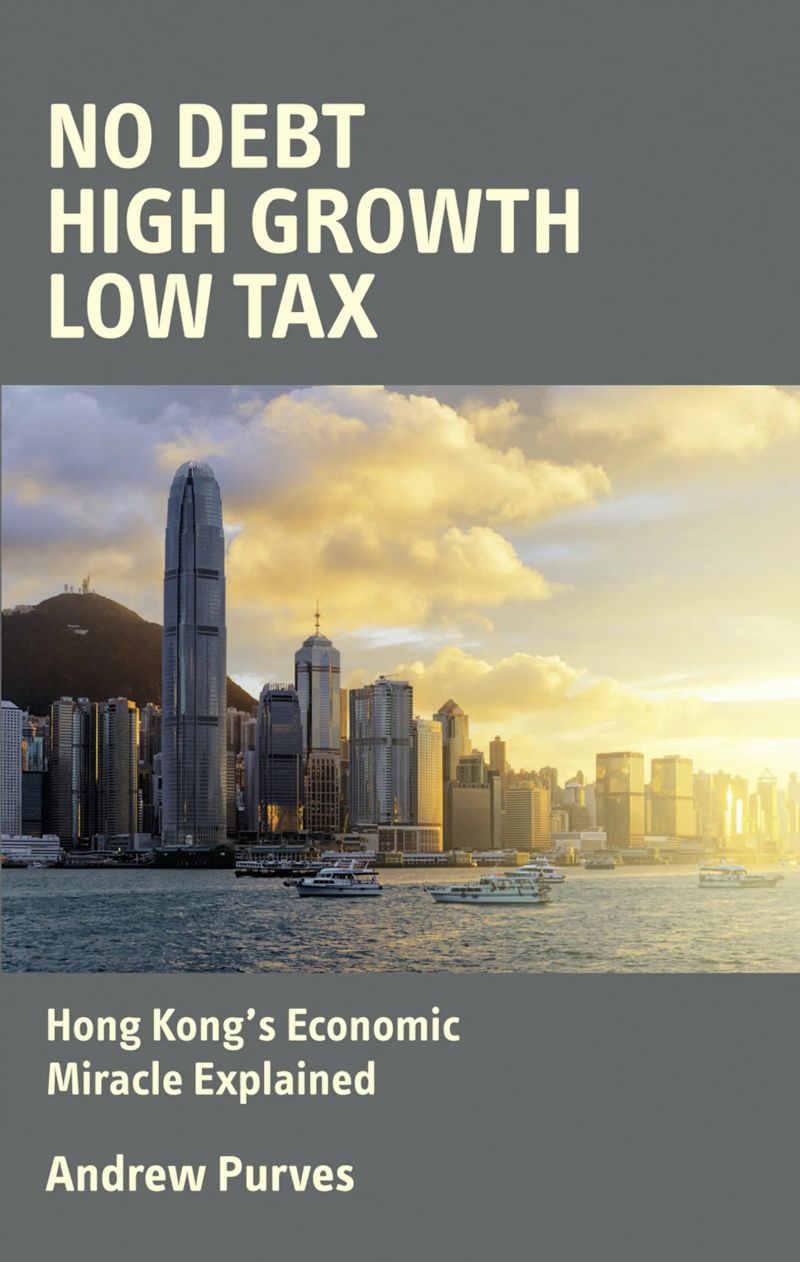


Length4h 10m
About this audiobook
Governments around the world are wrestling with the problems of enormous debts, low growth, high unemployment and a gap between the demands of public expen-diture and what can be raised through taxation. This problem has been acute since the financial crisis, but has been a hallmark of western economies for decades.Only a few countries have been able to avoid this pattern, mostly those blessed with vast natural resources such as oil. However, there are two small islands with no natural resources which have also enjoyed high growth combined with low taxation: Hong Kong and Singapore. Nor do they have any public debts, in fact, on the contrary, they generally run a budget surplus, and investment income is a feature of their government revenue.Andrew Purves, who grew up on the island of Hong Kong, has gone beyond the conventional analysis of taxation, and asked what each jurisdiction has in common, to bring about this happy state of affairs.The result is quite surprising for two countries which sit at the top of the table for promoting free markets and other capitalist ideals of small government.All land in Hong Kong is owned by the government, who makes it available for use by lease in return for a Government Rent, while Singapore now controls over half of its land area, as well as significant stakes in its strategic industries, which deliver a steady stream of unconventional income. Although in Hong Kong this situation has developed almost by accident, Purves suggests that here lies a model for generating public revenue that could be adopted in other countries to allow a shift in taxation from production and consumption to the Economic Rent of land, as advocated by Adam Smith over two hundred years ago.As a businessman in London, Andrew Purves, is keenly aware of the damaging impact of current taxation on economic activity.
Audiobook details
GenreBusiness and Economics
Length4 hrs 10 mins
Narrated byListen with 1,000+ voices
FormateBook with Audio
Publish dateJan 6, 2021
LanguageEnglish
Table of contents
1Dedicaton
21 Introduction
32 Landholding in Hong Kong
43 Taxation in Hong Kong
54 Other Sources of Revenue in Hong Kong
Show all chaptersShow less
65 Hong Kong’s Mass Transit Railway (MTR)
76 Singapore
87 Conclusion
98 Postscript
10About the Author

Never Split the DifferenceChris Voss, Tahl Raz8h 7m4.4 (277.7K)$26 · $0.00
The Intelligent Investor Rev Ed.Benjamin Graham17h 48m4.3 (191.5K)$40 · $0.00
The Hard Thing About Hard ThingsBen Horowitz7h 57m4.2 (134.3K)$26 · $0.00
Boundaries for LeadersHenry Cloud7h 36m4.3 (3.6K)$26 · $0.00
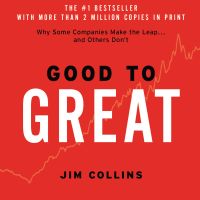
Good to GreatJim Collins9h 59m4.1 (325.2K)$29 · $0.00
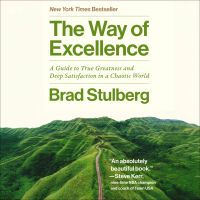
The Way of ExcellenceBrad Stulberg6h 46m4.2 (1.1K)$24 · $0.00

Trillion Dollar CoachEric Schmidt, Jonathan Rosenberg, Alan Eagle5h 40m4.1 (22.2K)$24 · $0.00

Be ExceptionalJoe Navarro, Toni Sciarra Poynter9h 11m4.0 (1.3K)$29 · $0.00

The Power of the OtherHenry Cloud5h 52m4.2 (3.5K)$24 · $0.00

BuildTony Fadell11h 5m4.5 (14.3K)$8 · $0.00
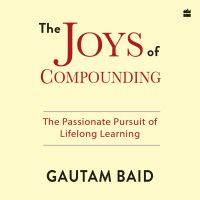
The Joys Of CompoundingGautam Baid17h 34m4.5 (2.5K)$18 · $0.00
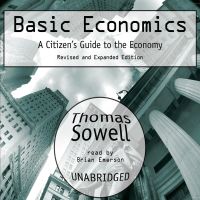
Basic EconomicsThomas Sowell18h 32m4.5 (29.3K)$28 · $0.00

The Ambuja StoryNarotam Sekhsaria13h 59m4.5 (830)$33 · $0.00

The Secret Door to SuccessFlorence Scovel Shinn2h 25m4.5 (2.1K)$1.20 · $0.00

This Is Going to HurtAdam Kay5h 47m4.4 (444.7K)$24 · $0.00

Big TrustShadé Zahrai, Fayçal Sekkouah8h 36m4.6 (406)$26 · $0.00
The Intelligent Investor Third EditionBenjamin Graham, Jason Zweig20h4.4 (156.6K)$46 · $0.00

Bottle of LiesKatherine Eban14h 25m4.4 (12K)$33 · $0.00

The Antiracist Business BookTrudi Lebrón6h 10m4.6 (275)$17 · $0.00

The FormulaJoshua Robinson, Jonathan Clegg10h 41m4.4 (6.9K)$29 · $0.00
You may also like
HeliumV A Complete GuideGerardus Blokdyk4h 3m$42
User Interface Web Standard RequirementsGerardus Blokdyk4h 6m$71
Cloud Platforms A Complete Guide - 2019 EditionGerardus Blokdyk4h 38m$71

NCH Software Second EditionGerardus Blokdyk4h 3m$42
DBaaS A Complete Guide - 2021 EditionGerardus Blokdyk4h 2m$78

Improving Risk Management A Complete Guide - 2019 EditionGerardus Blokdyk4h 37m$71
Technology Budgets A Complete Guide - 2019 EditionGerardus Blokdyk4h 33m$71
Process Supervision A Complete Guide - 2020 EditionGerardus Blokdyk4h 34m$78
Demand And Supply Management A Complete Guide - 2020 EditionGerardus Blokdyk4h 51m$78
Backups A Complete Guide - 2020 EditionGerardus Blokdyk4h 21m$78

Validation rule A Complete GuideGerardus Blokdyk4h 8m$71
Competitive Landscape A Complete Guide - 2021 EditionGerardus Blokdyk4h 38m$78
Hackaton Management A Complete Guide - 2020 EditionGerardus Blokdyk4h 34m$78
Customer franchise Complete Self-Assessment GuideGerardus Blokdyk1h 55m$42

Information Security Governance A Complete Guide - 2019 EditionGerardus Blokdyk4h 52m$71
ISO 13406-2 Third EditionGerardus Blokdyk1h 53m$42
ERM Third EditionGerardus Blokdyk5h 45m$42

Application Software Providers A Complete Guide - 2019 EditionGerardus Blokdyk4h 40m$71
Data Harmonization A Complete Guide - 2020 EditionGerardus Blokdyk4h 33m$71
Management of ICSD A Complete Guide - 2019 EditionGerardus Blokdyk4h 19m$71