
Lessons in Music Form (Annotated)
Enriched Edition. A Systematic Guide to Classical Composition Structure, Phrase Analysis, and the Logic of Musical DesignBy Percy Goetschius


Length5h 14m
About this audiobook
Lessons in Music Form is a lucid and systematic guide to the architectural principles that underlie Western tonal composition. Moving from the smallest motive and phrase to periods, song forms, rondo, sonata-allegro, and larger designs, the book combines theoretical precision with practical musical observation. Its style is pedagogical yet refined, reflecting the late nineteenth- and early twentieth-century conservatory tradition in which form was understood as both grammar and rhetoric: the means by which musical ideas gain coherence, balance, contrast, and expressive direction. Percy Goetschius, an American theorist, composer, and influential teacher, brought to this work the discipline of a European-trained musician and the clarity of a seasoned pedagogue. Having studied in Stuttgart and later taught at major American institutions, including the Institute of Musical Art in New York, he was deeply concerned with making compositional craft intelligible to students. His writings reveal a conviction that analysis is not mere classification, but a pathway toward artistic understanding and creative command. This volume is recommended to students of theory, performers seeking structural insight, and readers interested in the foundations of musical thought. Though historical in idiom, it remains valuable for its orderly explanations, concrete terminology, and enduring emphasis on listening for form as living musical logic.
This enriched edition has been carefully crafted to add value to your reading experience.
- A succinct Introduction situates the work's timeless appeal and themes.
- The Synopsis outlines the central plot, highlighting key developments without spoiling critical twists.
- A detailed Historical Context immerses you in the era's events and influences that shaped the writing.
- A thorough Analysis dissects symbols, motifs, and character arcs to unearth underlying meanings.
- Reflection questions prompt you to engage personally with the work's messages, connecting them to modern life.
- Hand‐picked Memorable Quotes shine a spotlight on moments of literary brilliance.
- Interactive footnotes clarify unusual references, historical allusions, and archaic phrases for an effortless, more informed read.
Audiobook details
Rating★★★★★ 4.6 (16)
Includes Amazon
GenreOther
Length5 hrs 14 mins
Narrated byListen with 1,000+ voices
FormateBook with Audio
Publish dateApr 9, 2020
LanguageEnglish
Table of contents
1Lessons in Music Form (Annotated)
2Introduction
3Synopsis
4Historical Context
5FOREWORD.
Show all chaptersShow less
6CHAPTER I. INTRODUCTION.
7[Illustration: first fragment of 8th Song]
8[Illustration: second fragment of 8th Song]
9[Illustration: Duple and Triple Rhythm]
10[Illustration: Example 1. Fragment of Folk-song.]
11[Illustration: Example 2. Fragment of Beethoven.]
12CHAPTER II. FUNDAMENTAL DETAILS.
13[Illustration: Beat accentuation]
14[Illustration: Example 3. Rhythm.]
15[Illustration: Example 4. Fragment of Beethoven.]
16[Illustration: Example 5. Fragment of Beethoven.]
17CHAPTER III. FIGURE AND MOTIVE.
18[Illustration: Example 6. Fragment of Beethoven.]
19[Illustration: Example 6 continued.]
20[Illustration: Example 7. Fragments of Czerny, Mendelssohn, and Schumann.]
21[Illustration: Example 8. Fragments of Beethoven.]
22[Illustration: Example 9. Fragments of Beethoven, Mendelssohn, and Mozart.]
23[Illustration: Example 10. Fragment of Beethoven.]
24[Illustration: Example 11. Fragment of Beethoven.]
25[Illustration: Example 12. Fragment of Mozart.]
26[Illustration: Example 13. Fragments of Mendelssohn.]
27[Illustration: Example 13 continued. Fragments of Mendelssohn and Mozart.]
28[Illustration: Example 14. Fragments of Mozart, Beethoven, and Mendelssohn.]
29CHAPTER IV. THE PHRASE.
30[Illustration: Example 15. Fragment of Schubert.]
31[Illustration: Example 16. Fragment of Schumann, Op. 68, No. 11.]
32[Illustration: Example 17. Fragments of Beethoven.]
33CHAPTER V. CADENCES.
34[Illustration: Example 18. Fragment of Schumann.]
35[Illustration: Example 19. Fragment of Mozart.]
36[Illustration: Example 20. Fragment of Mendelssohn.]
37[Illustration: Example 20 continued.]
38[Illustration: Example 21. Fragment of Mozart.]
39[Illustration: Example 22. Fragment of Beethoven.]
40[Illustration: Example 22 continued. Fragments of Mendelssohn, Schumann, and Mozart.]
41[Illustration: Example 23. Fragments of Beethoven and Mendelssohn.]
42[Illustration: Example 23 continued. Fragment of Mendelssohn.]
43[Illustration: Example 24. Fragments of Mozart.]
44[Illustration: Example 24 continued. Fragment of Beethoven.]
45[Illustration: Example 25. Fragment of Mozart.]
46[Illustration: Example 26. Fragment of Mozart.]
47[Illustration: Example 26 continued.]
48[Illustration: Example 27. Fragment of Mozart.]
49[Illustration: Example 28. Fragment of Beethoven.]
50[Illustration: Example 29. Fragment of Schubert.]
More from Percy Goetschius
Mere ChristianityC. S. Lewis7h 7m4.4 (519.7K)$24 · $0.00

Her Daily BreadKate Wood12h 57m4.6 (153)$33 · $0.00
The Holy Bible - 1 SamuelKing James2h 13m4.8 (1.6K)$3 · $0.00

The American Standard Bible — The Gospel of MatthewMatthew3h 56m4.7 (3K)$2 · $0.00

Bad Fat Black GirlSesali Bowen6h 32m4.7 (2.8K)$24 · $0.00
The King James Audio Bible New Testament CompleteChristopher Glyn20h 2m4.7 (2.6K)$12 · $0.00
Faiths CheckbookCharles Spurgeon12h 44m4.7 (3.2K)$11 · $0.00

Ten Things I Wish You Knew About Your Child's Mental HealthDr. Billy Garvey4h 53m4.7 (2.4K)$20 · $0.00
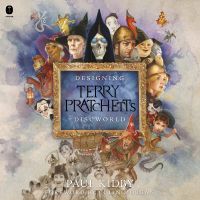
Designing Terry Pratchett’s DiscworldPaul Kidby3h 52m4.7 (343)$20 · $0.00
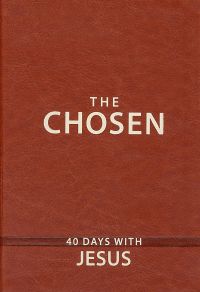
The Chosen Book OneAmanda Jenkins, Kristen Hendricks, Dallas Jenkins3h 8m4.6 (4.9K)$10 · $0.00
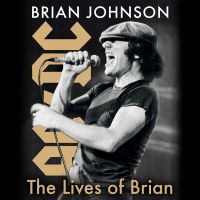
The Lives of BrianBrian Johnson9h 45m4.6 (3.5K)$29 · $0.00
Expository Thoughts on the Gospel of LukeJ.C. Ryle27h 13m4.7 (536)$18 · $0.00

CrossroadsKaleb Dahlgren7h 56m4.6 (4.9K)$26 · $0.00

Across the RiverKent Babb11h 40m4.6 (927)$29 · $0.00

Brain Training for RidersAndrea Monsarrat Waldo5h 56m4.7 (550)$19 · $0.00
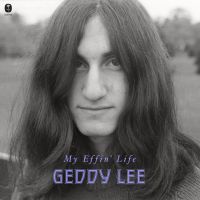
My Effin' LifeGeddy Lee17h 11m4.6 (13.1K)$40 · $0.00

Kings and PawnsHoward Bryant10h 9m4.6 (678)$29 · $0.00

The Elementia Chronicles #2: The New OrderSean Fay Wolfe11h 17m4.6 (841)$29 · $0.00
The ActsLuke2h 55m4.6 (19.7K)$12 · $0.00

New Testament - Easy NavigationWorld English Bible19h 35m4.6 (1.3K)$1.30 · $0.00
You may also like

Der StruwwelpeterHeinrich Hoffmann2m4.0 (20.2K)$2.30

Volkswagen Transporters T4 Workshop ManualOwners Edition4m4.4 (42)$24 · $0.00
How to Play Chess (Annotated)Charlotte Boardman Rogers2h 43m4.1 (12)$2 · $0.00
Prelude in Cm (Chopin)Bill Brown Jr.30m$2

How to Make Money Flipping Houses - How to Find Undervalued Properties, Control Renovation Costs, and Sell at the Right PriceJACK FLIPWELL4h 31m$7.70 · $0.00
Raspberry Pi for Beginners Made SimpleWalter Hemsley4h 21m$13

Garmin Watch Made SimpleWalter Hemsley4h 17m$8

Samsung Galaxy for SeniorsWalter Hemsley3h 47m$7

The Senior-Friendly Guide to SpotifyWalter Hemsley3h 34m$5

Open Arms – Classical soloBill Brown Jr.45m$4
Thoughtful Engineering DecisionsDevin Marchetti11h 40m$45
Lookin' Out My Back DoorBill Brown Jr.1h 2m$10

Inglês Para Quem Ainda Não Sabe Tudo.William Mcpower2h 29m$9 · $0.00

Microsoft Planner Made SimpleRuth Callender4h 24m$8

Competitive Dynamics Of Air Transport In Brazil: 2008-2014Luiz Fernando Abel4h 55m$18 · $0.00

The Money Pit, Vol. 13Tom Kraeutler, Leslie Segrete9h 41m$20

What Even Is an APIFlorence Larkin7h$5 · $0.00
Up Around the BendBill Brown Jr.29m$2
Dimensional Modeling for Data WarehousesSofia Petrova15h 17m$75
Dear Hearts and Gentle PeopleBill Brown Jr.37m$4