
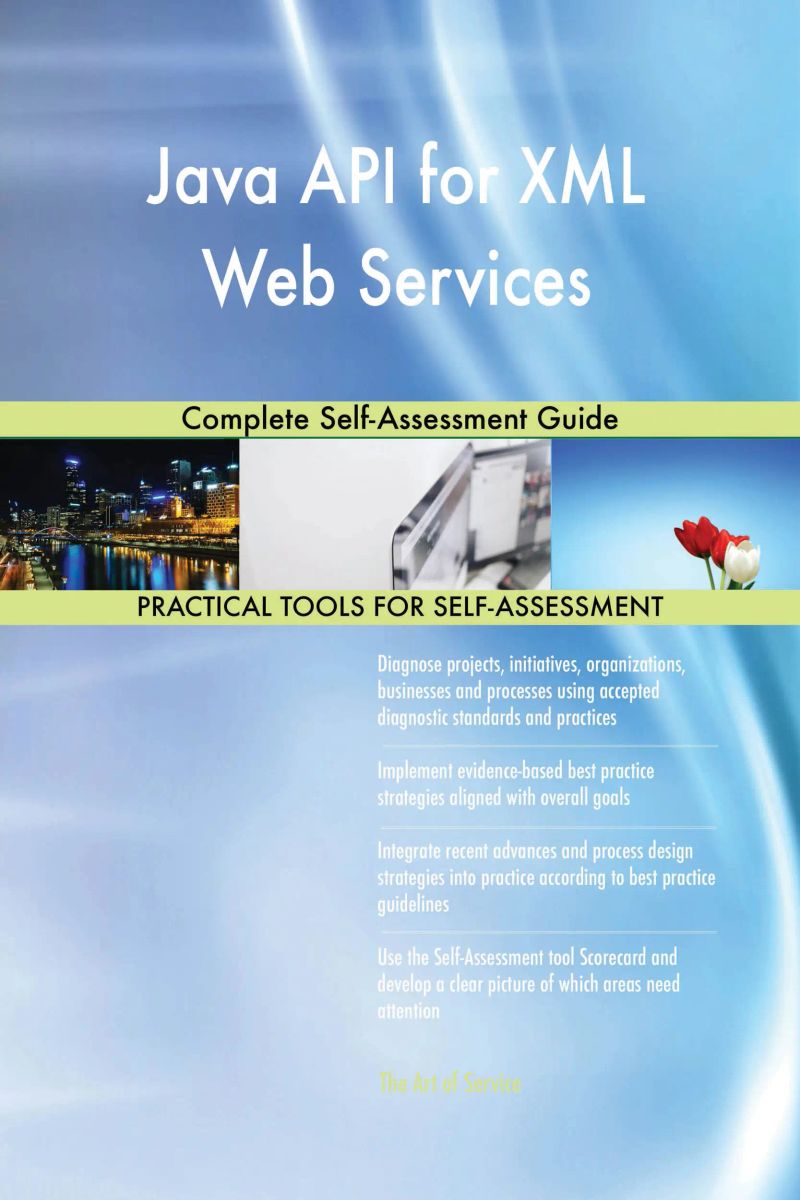
Java API for XML Web Services Complete Self-Assessment Guide
By Gerardus Blokdyk


Length4h 11m
About this audiobook
What problems are you facing and how do you consider Java API for XML Web Services will circumvent those obstacles? When was the Java API for XML Web Services start date? What are the Key enablers to make this Java API for XML Web Services move? Measure, Monitor and Predict Java API for XML Web Services Activities to Optimize Operations and Profitably, and Enhance Outcomes Your reputation and success is your lifeblood, and Java API for XML Web Services shows you how to stay relevant, add value, and win and retain customers
Defining, designing, creating, and implementing a process to solve a challenge or meet an objective is the most valuable role… In EVERY group, company, organization and department.
Unless you are talking a one-time, single-use project, there should be a process. Whether that process is managed and implemented by humans, AI, or a combination of the two, it needs to be designed by someone with a complex enough perspective to ask the right questions. Someone capable of asking the right questions and step back and say, 'What are we really trying to accomplish here? And is there a different way to look at it?'
This Self-Assessment empowers people to do just that - whether their title is entrepreneur, manager, consultant, (Vice-)President, CxO etc... - they are the people who rule the future. They are the person who asks the right questions to make Java API for XML Web Services investments work better.
This Java API for XML Web Services All-Inclusive Self-Assessment enables You to be that person.
All the tools you need to an in-depth Java API for XML Web Services Self-Assessment. Featuring 678 new and updated case-based questions, organized into seven core areas of process design, this Self-Assessment will help you identify areas in which Java API for XML Web Services improvements can be made.
In using the questions you will be better able to:
- diagnose Java API for XML Web Services projects, initiatives, organizations, businesses and processes using accepted diagnostic standards and practices
- implement evidence-based best practice strategies aligned with overall goals
- integrate recent advances in Java API for XML Web Services and process design strategies into practice according to best practice guidelines
Using a Self-Assessment tool known as the Java API for XML Web Services Scorecard, you will develop a clear picture of which Java API for XML Web Services areas need attention.
Your purchase includes access details to the Java API for XML Web Services self-assessment dashboard download which gives you your dynamically prioritized projects-ready tool and shows your organization exactly what to do next. You will receive the following contents with New and Updated specific criteria:
- The latest quick edition of the book in PDF
- The latest complete edition of the book in PDF, which criteria correspond to the criteria in...
- The Self-Assessment Excel Dashboard, and...
- Example pre-filled Self-Assessment Excel Dashboard to get familiar with results generation
…plus an extra, special, resource that helps you with project managing.
INCLUDES LIFETIME SELF ASSESSMENT UPDATES
Every self assessment comes with Lifetime Updates and Lifetime Free Updated Books. Lifetime Updates is an industry-first feature which allows you to receive verified self assessment updates, ensuring you always have the most accurate information at your fingertips.
Audiobook details
GenreBusiness and Economics
Length4 hrs 11 mins
Narrated byListen with 1,000+ voices
FormateBook with Audio
Publish dateAug 4, 2018
LanguageEnglish
Table of contents
1About The Art of Service
2Acknowledgments
3Included Resources - how to access
4Your feedback is invaluable to us
5Purpose of this Self-Assessment
Show all chaptersShow less
6How to use the Self-Assessment
7Java API for XML Web ServicesScorecard Example
8Java API for XML Web ServicesScorecard
9BEGINNING OF THE SELF-ASSESSMENT:
10CRITERION #1: RECOGNIZE
11CRITERION #2: DEFINE:
12CRITERION #3: MEASURE:
13CRITERION #4: ANALYZE:
14CRITERION #5: IMPROVE:
15CRITERION #6: CONTROL:
16CRITERION #7: SUSTAIN:
17Java API for XML Web Services and Managing Projects, Criteria for Project Managers:
18Java API for XML Web Services: Team Member Status Report
19Java API for XML Web Services: Resource Breakdown Structure
20Java API for XML Web Services: Process Improvement Plan
21Java API for XML Web Services: Stakeholder Register
22Java API for XML Web Services: Project Performance Report
23Java API for XML Web Services: Work Breakdown Structure
24Java API for XML Web Services: Change Management Plan
25Java API for XML Web Services: Contract Close-Out
26Java API for XML Web Services: Project Management Plan
27Java API for XML Web Services: Network Diagram
28Java API for XML Web Services: Risk Audit
29Java API for XML Web Services: Decision Log
30Java API for XML Web Services: Requirements Documentation
31Java API for XML Web Services: Risk Data Sheet
32Java API for XML Web Services: Change Log
33Java API for XML Web Services: Probability and Impact Assessment
34Java API for XML Web Services: Quality Metrics
35Java API for XML Web Services: Contractor Status Report
36Java API for XML Web Services: Requirements Traceability Matrix
37Java API for XML Web Services: Probability and Impact Matrix
38Java API for XML Web Services: Project Schedule
39Java API for XML Web Services: WBS Dictionary
40Java API for XML Web Services: Change Request
41Java API for XML Web Services: Initiating Process Group
42Java API for XML Web Services: Procurement Management Plan
43Java API for XML Web Services: Team Operating Agreement
44Java API for XML Web Services: Responsibility Assignment Matrix
45Java API for XML Web Services: Monitoring and Controlling Process Group
46Java API for XML Web Services: Activity Duration Estimates
47Java API for XML Web Services: Lessons Learned
48Java API for XML Web Services: Scope Management Plan
49Java API for XML Web Services: Team Member Performance Assessment
50Java API for XML Web Services: Assumption and Constraint Log
Agile Software A Complete Guide - 2020 EditionGerardus Blokdyk4h 22m$78
Metadata Exchange A Complete Guide - 2019 EditionGerardus Blokdyk4h 37m$71
Solution Map A Complete Guide - 2019 EditionGerardus Blokdyk4h 26m$71

ICT In Education A Complete Guide - 2020 EditionGerardus Blokdyk4h 41m$78
Based Contact Center A Complete Guide - 2019 EditionGerardus Blokdyk4h 32m$71
Virtual Disk A Complete Guide - 2020 EditionGerardus Blokdyk4h 27m$78
Application Development Platforms A Complete Guide - 2019 EditionGerardus Blokdyk4h 45m$71

Loyalty Program Review A Complete Guide - 2020 EditionGerardus Blokdyk4h 33m$71
Internet Service Providers A Complete Guide - 2020 EditionGerardus Blokdyk4h 41m$78

Storage security A Complete Guide - 2019 EditionGerardus Blokdyk4h 38m$71
Deploy Log Management First Second EditionGerardus Blokdyk4h 15m$71
Alliances Partners Complete Self-Assessment GuideGerardus Blokdyk4h 10m$71
Sales Strategies Third EditionGerardus Blokdyk4h 6m$71
Lean Culture Complete Self-Assessment GuideGerardus Blokdyk1h 57m$42

Internal Auditing A Complete Guide - 2024 EditionGerardus Blokdyk4h 38m$78

Resilient Control Systems A Complete Guide - 2020 EditionGerardus Blokdyk4h 37m$78

Catalog Content Management A Complete Guide - 2020 EditionGerardus Blokdyk4h 40m$78
Sales EQ A Complete Guide - 2020 EditionGerardus Blokdyk4h 27m$78
Regional Health Information Organization A Complete Guide - 2020 EditionGerardus Blokdyk4h 51m$78

Never Split the DifferenceChris Voss, Tahl Raz8h 7m4.4 (277.7K)$26 · $0.00
The Intelligent Investor Rev Ed.Benjamin Graham17h 48m4.3 (191.5K)$40 · $0.00
The Hard Thing About Hard ThingsBen Horowitz7h 57m4.2 (134.3K)$26 · $0.00
Boundaries for LeadersHenry Cloud7h 36m4.3 (3.6K)$26 · $0.00
Good to GreatJim Collins9h 59m4.1 (325.2K)$29 · $0.00
The Way of ExcellenceBrad Stulberg6h 46m4.2 (1.1K)$24 · $0.00

Trillion Dollar CoachEric Schmidt, Jonathan Rosenberg, Alan Eagle5h 40m4.1 (22.2K)$24 · $0.00
Be ExceptionalJoe Navarro, Toni Sciarra Poynter9h 11m4.0 (1.3K)$29 · $0.00
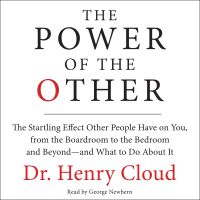
The Power of the OtherHenry Cloud5h 52m4.2 (3.5K)$24 · $0.00

Progress and Poverty, Volumes I and II (Annotated)Henry George19h 21m4.6 (574)$1.99 · $0.00

Not Everything Counts but Everything Matters: The powerful and inspirational new book about leadership and achieving success from the visionary multi-premiership winning Panthers coachIvan Cleary6h 1m4.6 (680)$24 · $0.00
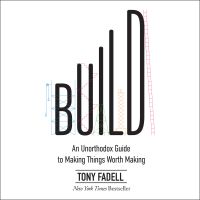
BuildTony Fadell11h 5m4.5 (14.3K)$8 · $0.00
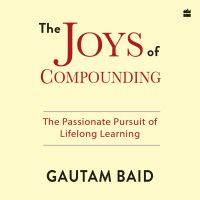
The Joys Of CompoundingGautam Baid17h 34m4.5 (2.5K)$18 · $0.00
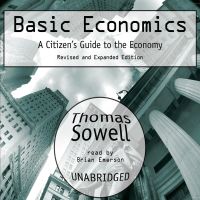
Basic EconomicsThomas Sowell18h 32m4.5 (29.3K)$28 · $0.00
The Ambuja StoryNarotam Sekhsaria13h 59m4.5 (830)$33 · $0.00

The Secret Door to SuccessFlorence Scovel Shinn2h 25m4.5 (2.1K)$1.20 · $0.00

This Is Going to HurtAdam Kay5h 47m4.4 (444.7K)$24 · $0.00

Big TrustShadé Zahrai, Fayçal Sekkouah8h 36m4.6 (406)$26 · $0.00
The Intelligent Investor Third EditionBenjamin Graham, Jason Zweig20h4.4 (156.6K)$46 · $0.00

Bottle of LiesKatherine Eban14h 25m4.4 (12K)$33 · $0.00
You may also like
Application Development Platforms A Complete Guide - 2019 EditionGerardus Blokdyk4h 45m$71
Functional Capacity Evaluation A Complete Guide - 2019 EditionGerardus Blokdyk4h 47m$71

Software Implementations A Complete Guide - 2019 EditionGerardus Blokdyk4h 39m$71

At Will Employment A Complete Guide - 2020 EditionGerardus Blokdyk4h 35m$78
SAP Cloud Platform Complete Self-Assessment GuideGerardus Blokdyk1h 58m$42

Big Data Privacy Second EditionGerardus Blokdyk2h 25m$42

Seizing Opportunities In Risk A Complete Guide - 2019 EditionGerardus Blokdyk4h 37m$71
Agile Software A Complete Guide - 2020 EditionGerardus Blokdyk4h 22m$78
Data Culture A Complete Guide - 2020 EditionGerardus Blokdyk4h 26m$78

Rapid Greek, Vol. 1Earworms Learning1h 6m4.2 (175)$15

Rapid German, Vol. 2Earworms Learning1h 7m4.2 (97)$15

SupernaturalBill Brown Jr.58m4.8 (11)$5

Wish You Were HereBill Brown Jr.55m4.8 (10)$5

Rapid Turkish, Vol. 1Earworms Learning1h 9m4.1 (37)$15

Bad Moon RisingBill Brown Jr.28m4.0 (26)$2

Minuet in G no. 7Bill Brown Jr.29m$2

Route 66Bill Brown Jr.1h 5m$10

The Church's One FoundationBill Brown Jr.13m$1

Great is Thy FaithfulnessBill Brown Jr.1h 22m$10

Rapid Spanish (Latin American), Vol. 1Earworms Learning1h 7m3.9 (18)$15