
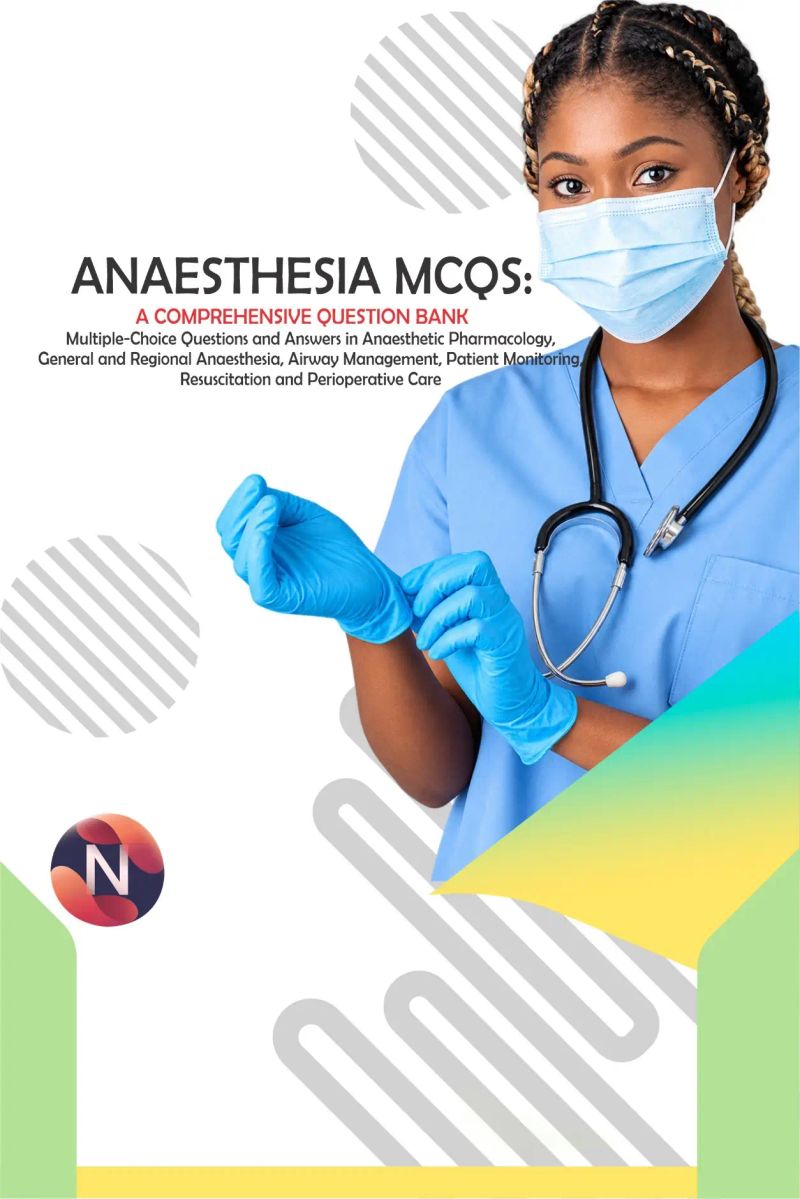
ANAESTHESIA MCQS A COMPREHENSIVE QUESTION BANK
By Bernice O.I


Length5h 34m
About this audiobook
Anaesthesia MCQs: A Comprehensive Question Bank is a revision and examination-preparation resource designed for anaesthesia students, nurse anaesthetists, anaesthesia practitioners, nursing students, and other healthcare professionals seeking to strengthen their knowledge of anaesthesia and perioperative care. Organised into eight sections, the book presents multiple-choice questions and answers across essential principles of anaesthetic practice and related biomedical and professional subjects.
The book covers general and regional anaesthesia, anaesthetic pharmacology, intravenous and inhalational anaesthetic agents, local anaesthetics, neuromuscular blocking drugs, airway management, endotracheal intubation, anaesthetic equipment, breathing circuits, oxygen delivery systems, and patient monitoring. It explores respiratory and cardiovascular physiology, fluid and electrolyte balance, pharmacological effects on major organ systems, and the assessment and management of patients before, during, and after surgery. Further topics include anaesthetic emergencies, malignant hyperthermia, local anaesthetic toxicity, aspiration, respiratory complications, cardiopulmonary resuscitation, defibrillation, pain management, postoperative recovery, and perioperative patient safety.
The question bank also addresses specialised areas such as obstetric, paediatric, and geriatric anaesthesia; neuroanaesthesia; anaesthesia in patients with underlying medical conditions; and the physiological considerations involved in complex surgical procedures. Supporting subjects include human anatomy and physiology, nursing fundamentals, health assessment, evidence-based nursing, research methodology, basic statistics, nursing theories, professional ethics, leadership, health education, medical microbiology, and computer studies. These related disciplines help readers connect anaesthetic principles with broader clinical knowledge and professional responsibilities.
Designed for self-assessment, focused revision, and examination practice, the book enables readers to test their understanding, identify knowledge gaps, and revisit important concepts across a wide range of anaesthesia-related subjects. It may be useful for students preparing for school examinations, qualifying assessments, professional certification examinations, and continuing professional development. By bringing together questions from pharmacology, physiology, equipment, clinical practice, emergency management, and related healthcare disciplines, this resource supports structured learning and reinforces the knowledge required for safe, informed, and effective anaesthesia practice.
Audiobook details
GenreHealth and Wellness
Length5 hrs 34 mins
Narrated byListen with 1,000+ voices
FormateBook with Audio
Publish dateNov 7, 2026
LanguageEnglish
Table of contents
1This section covers the core areas of anaesthesia practice, including general anaesthesia, airway management and endotracheal intubation, anaesthetic pharmacology, local anaesthetics, spinal and epidural anaesthesia, regional nerve blocks, and neuromuscular blockade.
2SECTION TWO
3Anaesthetic Pharmacology, General And Regional Anaesthesia, Airway Management, Anaesthetic Equipment, Respiratory Physiology, Patient Monitoring And Resuscitation
4This section covers the pharmacology and clinical application of inhalational and intravenous anaesthetic agents, including isoflurane, halothane, nitrous oxide, ketamine, propofol, thiopental, etomidate, and sevoflurane. Key concepts include minimum alveolar concentration (MAC), blood–gas partition coefficients, anaesthetic potency, induction and recovery, stages of anaesthesia, adverse drug effects, malignant hyperthermia, and anaesthetic considerations in patients with specific medical conditions.
5SECTION THREE
Show all chaptersShow less
6General Anaesthesia, Anaesthetic Pharmacology, Preoperative Assessment, Airway Management, Anaesthetic Equipment, Patient Monitoring And Perioperative Care
7This section covers the core principles of general anaesthesia, including the mechanisms of anaesthetic action, intravenous and inhalational anaesthetic agents, induction and recovery, balanced anaesthesia, total intravenous anaesthesia (TIVA), and the pharmacological properties, clinical uses, adverse effects, and interactions of commonly used anaesthetic drugs.
8SECTION FOUR
9Anaesthetic Pharmacology, Nursing Research, Respiratory Physiology, Nursing Theory, Health Assessment, Leadership And Professional Practice
10Anaesthetic Pharmacology, Respiratory Physiology, Nursing Practice, Research Methodology, Health Assessment, Leadership And Professional Education
11This section covers the pharmacology and clinical application of anaesthetic agents, including ketamine, thiopental, halothane, cyclopropane, etomidate, steroidal anaesthetics, opioids, and anticholinergic drugs. Key topics include intravenous anaesthetic induction, emergence delirium, analgesia, cardiovascular effects, drug contraindications in porphyria, liver toxicity, and the clinical management of bradycardia and other perioperative complications.
12SECTION SIX
13Anatomy And Physiology, Nursing Fundamentals, Perioperative Care, Anaesthetic Pharmacology, Evidence-Based Practice, Computer Studies And Medical Microbiology
14This section covers human anatomy and physiology, including the musculoskeletal system, endocrine glands, reproductive anatomy and hormones, menstrual regulation, contraception, vitamin deficiencies, nutritional disorders, and the functions of major organs. Respiratory physiology includes the nasal cavity, pharynx, alveolar gas exchange, oxygen transport, carbon dioxide carriage, lung volumes, ventilation–perfusion ratio, airway resistance, anatomical dead space, and the physiological mechanisms of breathing. Cardiovascular topics include blood pressure regulation, cardiac reflexes, acid–base balance, electrolyte disturbances, and the effects of disease on normal physiological function.
15SECTION SEVEN
16Anaesthetic Pharmacology, Inhalational And Intravenous Anaesthesia, Airway Management, Anaesthetic Equipment, Physiological Monitoring And Advanced Perioperative Care
17This section provides an extensive review of anaesthetic pharmacology, the principles of general and regional anaesthesia, airway management, anaesthetic equipment, and the physiological considerations involved in perioperative care. It examines anticholinergic drugs such as atropine, glycopyrrolate and scopolamine; inhalational anaesthetic agents including halothane, nitrous oxide, sevoflurane, isoflurane, desflurane and enflurane; and intravenous agents such as ketamine, thiopentone, propofol and etomidate. It also covers opioid analgesics, neuromuscular blocking drugs, reversal agents, local anaesthetics, and the pharmacological management of anaesthetic complications.
18SECTION EIGHT
19Anaesthetic Pharmacology, Regional Anaesthesia, Airway Management, Neuroanaesthesia, Obstetric And Paediatric Anaesthesia, And Perioperative Care
20This section provides a comprehensive revision of anaesthetic pharmacology, general and regional anaesthesia, perioperative physiology, and the management of patients with complex medical conditions. It examines the pharmacological properties, clinical uses, adverse effects, and mechanisms of action of drugs such as midazolam, fentanyl, sufentanil, alfentanil, ketamine, thiopentone, etomidate, propofol, succinylcholine, dantrolene, dobutamine, and local anaesthetic agents. It also covers minimum alveolar concentration (MAC), anaesthetic potency, drug metabolism, cytochrome P450 interactions, age-related changes in drug response, and the prevention and treatment of malignant hyperthermia.
The Lost VoiceGreta Morgan8h 30m4.7 (285)$26 · $0.00
Healthy Kids, Happy KidsElisa Song14h 18m4.6 (760)$33 · $0.00
Eat It!Jordan Syatt, Michael Vacanti4h 40m4.6 (1.5K)$20 · $0.00
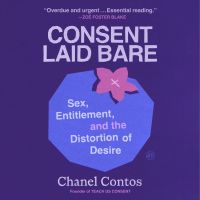
Consent Laid BareChanel Contos7h 11m4.5 (1.7K)$24 · $0.00
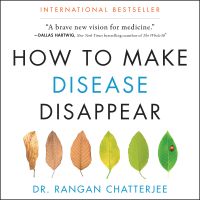
How to Make Disease DisappearRangan Chatterjee5h 26m4.5 (3.5K)$24 · $0.00

The Complete Herbal (Annotated)Nicholas Culpeper29h 8m4.5 (1.4K)$2 · $0.00

A Plague Upon Our HouseScott W. Atlas MD10h 37m4.5 (3.4K)$20 · $0.00
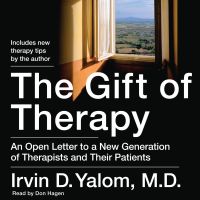
The Gift of TherapyIrvin Yalom7h 39m4.5 (38.8K)$26 · $0.00
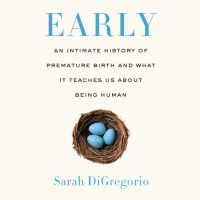
EarlySarah DiGregorio9h 47m4.5 (1.3K)$29 · $0.00
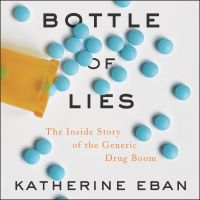
Bottle of LiesKatherine Eban14h 25m4.4 (12K)$33 · $0.00
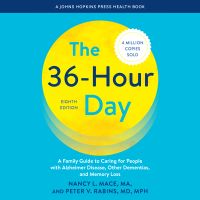
The 36-Hour DayNancy L. Mace, Peter V. Rabins17h 13m4.4 (9.2K)$28 · $0.00
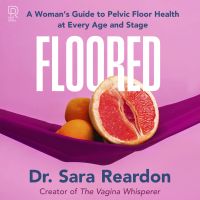
FlooredSara Reardon10h 36m4.5 (1K)$29 · $0.00
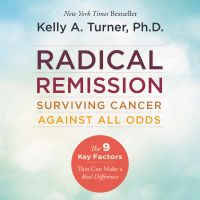
Radical RemissionKelly A. Turner9h 26m4.4 (8.1K)$29 · $0.00
The Sinatra SolutionStephen T. Sinatra MD9h4.5 (899)$20 · $0.00
The Songaminute ManSimon McDermott6h 12m4.5 (280)$24 · $0.00
Sometimes BrilliantLarry Brilliant12h 27m4.5 (954)$29 · $0.00

Live Your LifeAmanda Kloots, Anna Kloots10h 54m4.4 (13.7K)$29 · $0.00

All in Her HeadElizabeth Comen13h 25m4.4 (18.2K)$33 · $0.00
The Wisdom of Your BodyHillary McBride9h 14m4.4 (6.7K)$29 · $0.00
The Alzheimer's SolutionDean Sherzai, Ayesha Sherzai9h 47m4.4 (1.9K)$29 · $0.00
You may also like
OpticksIsaac Newton9h 10m4.4 (621)$2 · $0.00

Taoist Teachings From the Book of Lieh TzŭLie Yukou2h 40m4.2 (1.3K)$1 · $0.00

Ethics (Annotated)Immanuel Kant23h 21m4.0 (1.2K)$0.99 · $0.00
Volkswagen Transporters T4 Workshop ManualOwners Edition4m4.4 (42)$24 · $0.00
Prelude in Cm (Chopin)Bill Brown Jr.30m$2

How to Make Money Flipping Used Electronics - How to Buy, Test, Price, and Resell Phones, Laptops, Tablets, and Game ConsolesJACK FLIPWELL4h 22m$5.10
Brazilian Portuguese for Beginners: The Complete A1 Audio CourseMichele Cavalcante12h 5m$32 · $0.00

Delicious Orange RecipesMs Lacerda1h 11m$5 · $0.00
Inventions of the Past: 44 Books Reflecting on Centuries of Technological InnovationsJames P. Boyd, Henry White Warren, A. Russell Bond, Hattie E. Macomber, Ray Stannard Baker, S. E. Forman, Willis Duff Piercy, M. Grace Fickett, Gertrude L. Stone, Archibald Williams, Derek J. de Solla Price, Russell Doubleday, Henry Bore, John H. White, American Railway Association, John Kimberly Mumford, Edwin A. Battison, Samuel Smiles, Harry E. Maule, Arthur May Mowry, William A. Mowry, Henry E. Baker, Rupert Sargent Holland, Abraham Lincoln, H. W. L. Hime, Henry Robinson, Edward W. Byrn, Grace Rogers Cooper, George Iles, Henry Dircks, Robert Routledge, Helen C. Knight, Theodore Low De Vinne, H. C. Forster, Harry Chase Brearley, Alfred Vail, George Grant, Elmer Ellsworth Burns, Thomas W. Corbin, Paul Severing339h 39m$1.99 · $0.00
Inglês Para Quem Ainda Não Sabe Tudo.William Mcpower2h 29m$9 · $0.00

Competitive Dynamics Of Air Transport In Brazil: 2008-2014Luiz Fernando Abel4h 55m$18 · $0.00
How to Make Electrical MachinesR. A. R. Bennett2h 26m$2 · $0.00
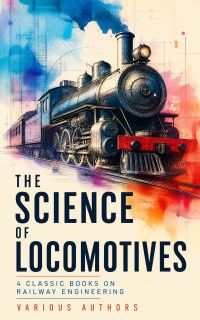
The Science of Locomotives: 4 Classic Books on Railway EngineeringBaldwin Locomotive Works, Traveling Engineers' Association, John H. White, Angus Sinclair22h 7m$1.99 · $0.00
The Money Pit, Vol. 13Tom Kraeutler, Leslie Segrete9h 41m$20

Top 5 Masterpieces vol 1Klaus H. Carl5m$8 · $0.00
Métodos numéricos aplicados a IngenieríaHéctor Jorquera González, Claudio Gelmi Weston6h 9m$11 · $0.00

Quick Brazilian PortugueseJack Scholes22m$1 · $0.00

18: Storytel Tech Podcast - Is Samsung S10 series a revolution?Storytel India13m$4 · $0.00

Five Must-Read Books on TelescopesWilliam F. Denning, Richard A. Proctor, James Baikie, George Calver, Victor Appleton31h 32m$1.99 · $0.00
Up Around the BendBill Brown Jr.29m$2