
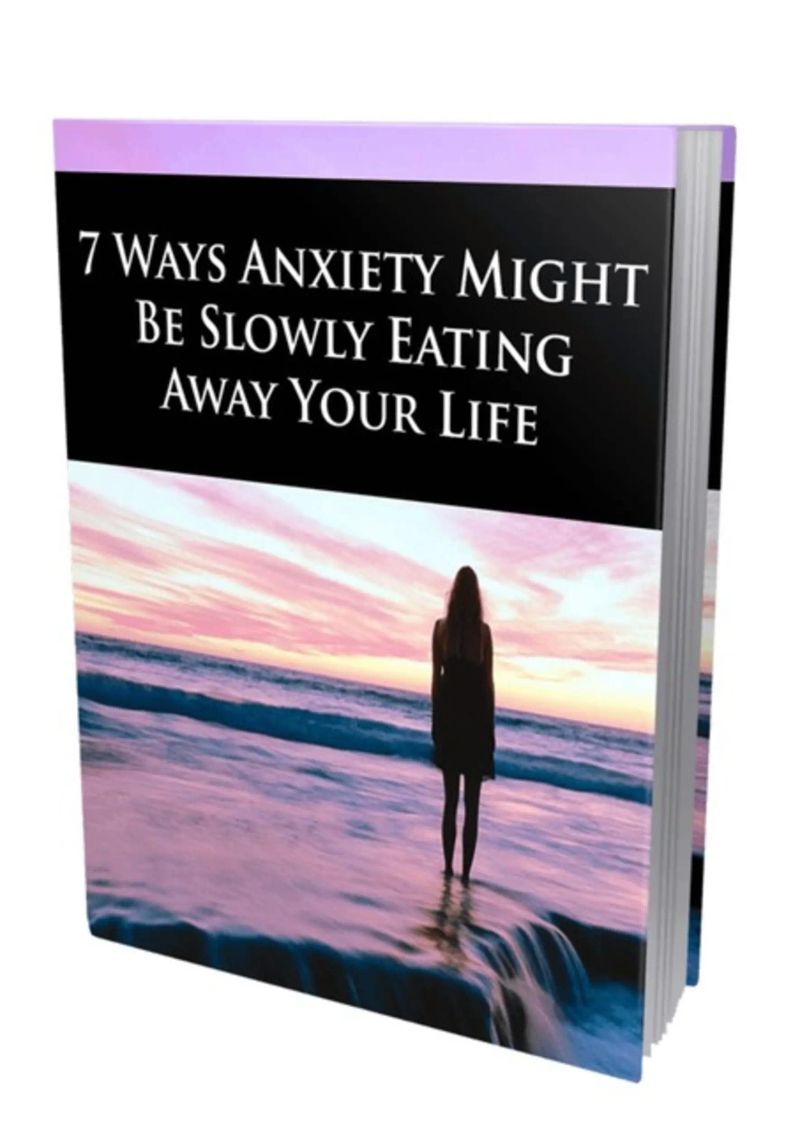
7 Ways Anxiety Might Be Slowly Eating Away Your Life
By Dani Carazzato


Length41m
About this audiobook
Introduction It Is Natural to Feel Anxious There's a good chance that we've all experienced feelings of anxiety in response to real or perceived threats at one time or another. For most people, these feelings are normal as the brain is hard-wired to caution you at times of danger, change and the unknown. In fact, in many situations, experiencing a certain level of anxiety and stress can help boost your performance in specific tasks. For instance, a person might experience a heightened level of anxiety the days leading up to a public event and that's a completely normal reaction. Psychologists believe that anxiety is your body's natural response to stress and that this stress triggers a system in the brain that accentuates your performance. So, a little anxiety now and then is okay and might be your body's way of preparing for an impending change.
Audiobook details
GenreSpirituality and Religion, Children's Literature
Length41 mins
Narrated byListen with 1,000+ voices
FormateBook with Audio
Publish dateMar 18, 2024
LanguageEnglish
Table of contents
1Introduction
2normal reaction.
3That Said, Not Every Anxious Feeling Is Normal
4and Understanding It Too
5expansive subject one book at a time.
Show all chaptersShow less
6Chapter 1 - Overthinking and
7your immediate realm of collective thoughts?
8Our bodies, in response to the flight-or-fight response, trigger
9Negative and Unwanted Thoughts
10Chapter 2 - Lack of Self-Esteem and
11comfortable in your own skin and with the structures that
12Self-Esteem and The Fear of Rejection
13with their love and support.
14Chapter 3 - Phobias and Traumas
15Anxiety Doesn’t Exist in Isolation
16Chapter 4 - Workplace Anxiety
17Too Much, Too Soon
18The Workplace is no Exception
19them to the point of breakdown.
20The key element to the psychotherapy of anxiety, stress and
21Patterns.
22Coping with Anxiety at Work
23Work at Creating a Work-Life Balance
24Chapter 5 - Social Anxiety
25Cognitive Behavioral Therapy and its Role on
26SAD
27their anxiety. Replace these traits with self-assuring habits
28Chapter 6 - Eating Disorder
29instance:
30taste for food.
31Yoga in combination with breathing and meditation techniques
32Chapter 7 - Anxiety and its Ill-Effects
33on Sleep
34worries, panic attacks, trauma, phobia, emotional and/or
35emergency crisis. Insomnia and poor sleep come with the
36Focus on Your Breath
37Conclusion
More from Dani Carazzato

31 Decrees of Blessing for Your LifePatricia King2h 38m4.8 (1.4K)$10 · $0.00

Loved BabySarah Philpott4h 51m4.8 (1.4K)$10 · $0.00

The QuranAllah23h 7m4.7 (136.1K)$1 · $0.00

The Secret of the RosaryLouis de Montfort6h 1m4.7 (16K)$2 · $0.00

The Holy Qur-an: Text, Translation and CommentaryAbdullah Yusuf Ali22h 16m4.7 (133K)$1 · $0.00

All of Grace (Annotated)Charles Spurgeon5h 1m4.7 (1.3K)$0.99 · $0.00

Steps to ChristEllen G. White3h 12m4.7 (13.8K)$2 · $0.00

The Doctrine and Selected CovenantsJoseph Smith13h 53m4.7 (10.4K)$1.99 · $0.00
Sinners in the Hands of an Angry God & Other Sermons (Annotated)Jonathan Edwards7h 51m4.7 (1.5K)$2 · $0.00

Swayam Ki AwaazPrem Rawat8h 34m4.7 (1.1K)$26 · $0.00

Behind the BadgeAdam Davis10h 18m4.7 (2.7K)$10 · $0.00

The New Human Revolution, vol. 1Daisaku Ikeda7h 46m4.7 (669)$12 · $0.00

You Are Worth ItKyle Carpenter, Don Yaeger8h 53m4.7 (4.8K)$29 · $0.00
Praying GraceDavid A. Holland3h 2m4.7 (658)$10 · $0.00

Evidence Not SeenDarlene Deibler Rose11h 11m4.6 (11.9K)$29 · $0.00

The Christ KeyChad Bird, Chad Bird7h 33m4.7 (592)$17.40 · $0.00

He and IGabrielle Bossis10h 12m4.7 (554)$17 · $0.00
Your Body Already KnowsNidhi Pandya Bhanshali9h 7m4.7 (360)$16 · $0.00

The Complete WorksFlorence Scovel Shinn7h 59m4.6 (6.6K)$2 · $0.00
Driven by EternityJohn Bevere3h 50m4.6 (3.2K)$10 · $0.00

Bible 09: 1 SamuelKing James2h 28m4.6 (1.6K)$12 · $0.00

The Complete Works of Beatrix Potter: 22 Children's Books with Original IllustrationsBeatrix Potter5h 3m4.6 (3.9K)$1.99 · $0.00

The Violet Fairy Book (Annotated)Andrew Lang11h 39m4.7 (304)$2 · $0.00

Little Lord Fauntleroy (Annotated)Frances Hodgson Burnett7h 56m4.6 (1.5K)$0.99 · $0.00

The Nutcracker and The Mouse King (Annotated)E.T.A. Hoffmann4h 4m4.6 (1.5K)$2 · $0.00

REBECCA OF SUNNYBROOK FARM & NEW CHRONICLES OF REBECCA (Children's Book Classics) (Annotated)Kate Douglas Wiggin15h 32m4.6 (1.4K)$0.99 · $0.00

Just William (Illustrated) (Annotated)Richmal Crompton6h 30m4.6 (1.2K)$2 · $0.00

The Labors of Hercules BealGary D. Schmidt8h 17m4.6 (10.4K)$8 · $0.00

Clancy of the Overflow (The Matilda Saga, #9)Jackie French14h 24m4.6 (471)$33 · $0.00

The Great Fairy Tales - Oscar Wilde Edition (Illustrated) (Annotated)Oscar Wilde6h 31m4.6 (1.1K)$2 · $0.00

Alice's Adventures in WonderlandLewis Carroll3h4.5 (5.9K)$7.99 · $0.00

The Boy Who Followed His Father into AuschwitzJeremy Dronfield6h 54m4.5 (28.5K)$24 · $0.00

Bat and the End of EverythingElana K. Arnold2h 40m4.6 (2.3K)$18 · $0.00

Chronicles of Ancient Darkness #6: Ghost HunterMichelle Paver6h 20m4.5 (11.7K)$24 · $0.00

Masterminds: PaybackGordon Korman6h 51m4.5 (5.8K)$24 · $0.00

The House at Pooh CornerA. A. Milne, E. H. Shepard3h 6m4.5 (107.8K)$2 · $0.00

Anne of Green Gables (Annotated)Lucy Maud Montgomery13h 1m4.5 (2.8K)$2 · $0.00

The Guardian Herd: StormboundJennifer Lynn Alvarez6h 19m4.5 (2.3K)$24 · $0.00

The One and Only FamilyKatherine Applegate3h 14m4.5 (7.5K)$18 · $0.00

Other Words for HomeJasmine Warga3h 50m4.5 (42.8K)$20 · $0.00
You may also like
How to Silence Your Inner Critic - How to Stop Beating Yourself Up, Find Peace, and Take Action Without Constantly Judging YourselfMax Paradox7h 6m$7.80 · $0.00

How to Heal Oneself and Others - Mental Therapeutics (Unabridged) (Annotated)William Walker Atkinson7h 1m4.6 (12)$2 · $0.00
How to Set BoundariesMax Paradox6h 29m$7.80 · $0.00

You Against YourselfLuciana Priscila4h 35m$6.20 · $0.00
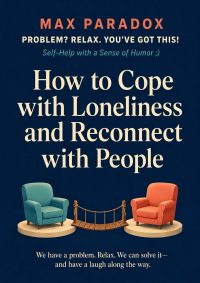
How to Cope with Loneliness and Reconnect with PeopleMax Paradox7h 27m$7.80 · $0.00
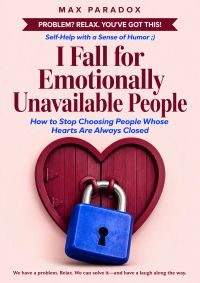
I Fall for Emotionally Unavailable People - How to Stop Choosing People Whose Hearts Are Always ClosedMax Paradox6h 48m$7.80 · $0.00

Aura-MeditationAndy Schwab1h 17m$15 · $0.00
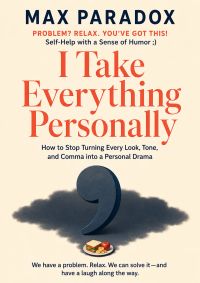
I Take Everything Personally - How to Stop Turning Every Look, Tone, and Comma into a Personal DramaMax Paradox7h 15m$7.80 · $0.00
Leading a confident life: Subliminal-programMichael Bauer53m$35 · $0.00
I'm Afraid to Check My Bank Account - How to Stop Treating Online Banking Like a Psychological Horror MovieMax Paradox6h 30m$7.80 · $0.00

The Mind CureChristian D. Larson1h 42m3.9 (15)$1.20 · $0.00
Self-Healing by Thought ForceWilliam Walker1h 1m4.2 (137)$3.50 · $0.00
6 Health Anxiety Tools to Stop Symptom CheckingSelf Love Project1h 33m$6 · $0.00
Stage FrightDianna Booher, Dr. Tony Alessandra, Patricia Fripp, Vanna Novak, Brad Worthley, Lorraine Howell7h 33m4.1 (17)$25
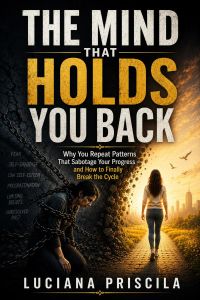
The Mind That Holds You BackLuciana Priscila5h 14m$5.10 · $0.00
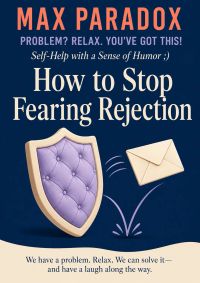
How to Stop Fearing RejectionMax Paradox6h 40m$7.80 · $0.00
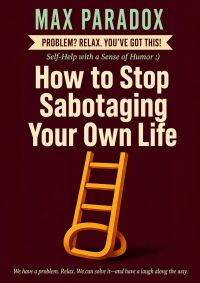
How to Stop Sabotaging Your Own LifeMax Paradox7h 44m$7.80 · $0.00
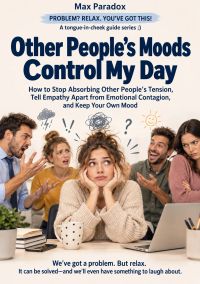
Other People's Moods Control My Day - How to Stop Absorbing Other People's Tension, Tell Empathy Apart from Emotional Contagion, and Keep Your Own MoodMax Paradox5h 29m$7.80 · $0.00
Drink less alcohol through hypnosisMichael Bauer40m$35 · $0.00
How to Stop Eating Your FeelingsMax Paradox6h 40m$7.80 · $0.00